 December 2025 in “Scientific Reports”
 Gut microbiota and metabolic pathways may play a key role in PCOS development.
 December 2025 in “VNU Journal of Science Medical and Pharmaceutical Sciences”
 PRP therapy is effective and safe for skin conditions like wound healing and hair loss.
 December 2025 in “Clinical Cosmetic and Investigational Dermatology”
 Early diagnosis and multidisciplinary care, including orthopedic surgery, can prevent long-term disability in IFAP syndrome.
 November 2025 in “Iraqi Journal of Science”
 Celiac patients may have kidney function risks due to increased urea and creatinine and decreased magnesium, zinc, and vitamin C.
 October 2025 in “Dermatology Practical & Conceptual”
 Psoriasis patients are more likely to develop alopecia areata due to complex autoimmune interactions.
 October 2025 in “Pakistan journal of urology.”
 Personalized, minimally invasive treatments improve urology outcomes.
 October 2025 in “Dermatology and Therapy”
 Bariatric surgery can improve some skin issues but may worsen others due to nutritional deficiencies.

Selenium is essential for health, but too little or too much can cause serious health problems.
 September 2025 in “Clinical Cosmetic and Investigational Dermatology”
 Kūlaris improved quality of life for acne sufferers without side effects.
 September 2025 in “Experimental & Molecular Medicine”
 Small molecules KY19382 and KY19334 may help treat skin cancer by reducing CDK1 levels and blocking harmful cell signals.
 August 2025 in “Archiv Euromedica”
 Gut microbiota changes might play a role in alopecia areata, and microbiome-targeted treatments show promise.
 August 2025 in “Journal of the Pakistan Medical Association”
 Skin issues might be linked to infertility.
 August 2025 in “Frontiers in Immunology”
 Bullous pemphigoid, intrahepatic cholangiocarcinoma, and alopecia areata may share immune-related causes.
Individualized treatment improves symptoms and quality of life for women with PCOS.
 July 2025 in “International Journal of Dermatology Venereology and Leprosy Sciences”
 Higher stress levels may worsen alopecia areata, suggesting stress management is important for treatment.
 July 2025 in “International Journal of Dermatology Venereology and Leprosy Sciences”
 Microneedling may improve melasma treatment by boosting topical therapy effectiveness.
Trichoscopy is a valuable tool for accurately diagnosing scalp conditions without invasive procedures.

Patients with lichen planopilaris have a higher risk of heart disease.

Eyelid pilomatrixomas are rare, benign tumors that need accurate diagnosis for proper treatment.
 May 2025 in “The Journal of Rheumatology”
 A woman with skin and joint issues progressed from one type of lupus to another, highlighting the need to recognize complex conditions.
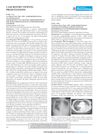 May 2025 in “The Journal of Rheumatology”
 Early diagnosis and treatment are crucial for CAPS, and Eculizumab can be effective.
 May 2025 in “The Journal of Rheumatology”
 Trans-esophageal echocardiography is crucial for accurately diagnosing heart issues in lupus patients.
 May 2025 in “The Journal of Rheumatology”
 Chronic granulomatous disease may be linked to developing systemic lupus erythematosus.
 May 2025 in “The Journal of Rheumatology”
 Anifrolumab may help improve symptoms in patients with overlapping autoimmune diseases.
 May 2025 in “The Journal of Rheumatology”
 Proactive physical therapy improved mobility, reduced fatigue, and pain in lupus patients.
 May 2025 in “The Journal of Rheumatology”
 Mixed Connective Tissue Disease can develop from overlapping symptoms of several autoimmune diseases, making diagnosis complex.
 May 2025 in “The Journal of Rheumatology”
 Anti-CD19 therapy may help treat SLE and NMOSD.
 May 2025 in “The Journal of Rheumatology”
 Early recognition and management of gastrointestinal tuberculosis in lupus patients are crucial to prevent complications.
 May 2025 in “The Journal of Rheumatology”
 Catatonia can be a rare sign of lupus, needing careful diagnosis and treatment.
 May 2025 in “The Journal of Rheumatology”
 Purpura fulminans can signal underlying autoimmune disorders, not just infections.