November 2025 in “Journal of Investigative Dermatology” Certain CD8+ T cells attack hair follicles in alopecia areata, suggesting they could be targeted for treatment.
50 citations
,
February 2004 in “Genomics” A gene mutation causes lanceolate hair in rats by disrupting hair shaft integrity.
 April 2018 in “Journal of Investigative Dermatology”
 Cutaneous lupus patients have higher levels of certain immune cells in their blood and skin.
 September 2018 in “Journal of Investigative Dermatology”
 Non-white organ transplant patients have worse skin cancer outcomes due to later diagnosis and treatment.
20 citations
,
August 2003 in “Clinical and Experimental Dermatology” A new genetic mutation in the hairless gene causes a rare hair loss disorder.
 November 2025 in “Clinical Cosmetic and Investigational Dermatology”
 LIPH mutations cause woolly hair in some Chinese people.
 March 2018 in “Suez Canal University Medical Journal”
 NKG2D gene polymorphism doesn't affect SLE risk but may influence symptoms like rash and hair loss.
13 citations
,
August 1985 in “The Journal of Dermatology” HKN-2 antibody targets specific skin and hair cells, showing keratin complexity.
July 2026 in “Pediatric Allergy and Immunology”  181 citations
,
January 2009 in “Nature Genetics”
181 citations
,
January 2009 in “Nature Genetics” Certain mutations in a hair growth-related gene cause a type of genetic hair loss.
1 citations
,
November 2024 in “Journal of the American Academy of Dermatology” People with celiac disease have a higher risk of developing alopecia areata.
 39 citations
,
May 2011 in “Human Immunology”
39 citations
,
May 2011 in “Human Immunology” Genetics play a role in acne, but how exactly they contribute is not fully understood.
 37 citations
,
November 2003 in “Veterinary pathology”
37 citations
,
November 2003 in “Veterinary pathology” Hair loss in mice starts with immune cells damaging hair roots before it becomes visible.
7 citations
,
August 2008 in “Immunogenetics” A gene mutation in mice causes increased mast cells and disorganized hair follicles in their skin.
8 citations
,
January 2015 in “Genetics and Molecular Research” Certain gene variations increase the risk of alopecia areata in Koreans.
 December 2022 in “American journal of medical genetics. Part A”
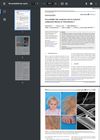
 A person got uncombable hair syndrome from two copies of chromosome 1 from their mother.
28 citations
,
December 1997 in “Journal of Biological Chemistry” A genetic mutation in the hHa1 gene creates a smaller, but still functional, hair protein without causing hair problems.
 2 citations
,
July 2015 in “Journal of Cosmetic Dermatology”
2 citations
,
July 2015 in “Journal of Cosmetic Dermatology” No clear link between specific gene and hair loss in Mexican brothers.
1 citations
,
October 2023 in “Heliyon” An infant with Hutchinson-Gilford Progeria Syndrome had successful surgery to fix breathing issues caused by a new genetic mutation.
August 2021 in “Journal of Investigative Dermatology” ILC1-like cells can cause alopecia areata by disrupting hair follicle immunity, suggesting a new treatment approach.
 36 citations
,
October 2000 in “British Journal of Dermatology”
36 citations
,
October 2000 in “British Journal of Dermatology” A different gene near the hairless gene on chromosome 8p21 causes a rare hair loss condition in a German family.
 May 2025 in “Frontiers in Genetics”
 A new genetic variant in the LIPH gene causes hair growth issues in a Chinese patient.
23 citations
,
January 2017 in “BMC Medical Genetics” A new CDH3 gene mutation was found in a Spanish patient with sparse hair and eye issues.
2 citations
,
September 2024 in “International Journal of Dermatology” Women and people with skin of color are more likely to be misdiagnosed with alopecia areata.
July 2024 in “Journal of Investigative Dermatology” CD8+ T cells expand significantly in alopecia areata, suggesting new treatment targets.
 68 citations
,
November 2011 in “The American journal of pathology”
68 citations
,
November 2011 in “The American journal of pathology” Abnormal Hedgehog signaling in blood cancers may help tumors grow and resist chemotherapy, suggesting potential for targeted treatments.
 April 2018 in “Journal of Investigative Dermatology”
 The role of γδT-cells in causing alopecia areata remains unclear.
22 citations
,
March 1994 in “Journal of Heredity” A mutation in mice causes hair loss and immune problems.
July 2004 in “TSpace (University of Toronto)” A rare case showed alopecia areata and lichen planus occurring together in one person.
The scant hair in snthr-1Bao mice is likely caused by a deletion affecting the Plcd1 gene.