3 citations
,
May 2009 in “Journal of Pediatric Gastroenterology and Nutrition” Consider infectious diseases like visceral leishmaniasis before diagnosing autoimmune hepatitis.
 July 2025 in “Journal of Dermatology for Physician Assistants”
 Specific tests may help diagnose alopecia, but their treatment impact is unclear.
6 citations
,
December 2015 in “Journal of Dermatological Case Reports” Intradermal testing can better detect corticosteroid allergies than patch testing.
July 2024 in “Journal of Investigative Dermatology” Sex and race affect immune responses and treatment outcomes in Hidradenitis suppurativa.
 September 2016 in “Journal of Dermatological Science”
 Certain gene mutations in Japanese people are linked to different types of hair loss, with some causing mild hair thinning and others leading to complete baldness.
November 2024 in “Rheumatology Advances in Practice” Visceral leishmaniasis can mimic rheumatoid arthritis symptoms, especially in immunocompromised patients.
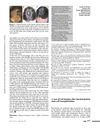 May 2018 in “European Journal of Dermatology”
 Adjusting the medication tacrolimus resolved a boy's red nail beds after a stem cell transplant.
16 citations
,
August 2000 in “British Journal of Dermatology” Removing the liver tumor improved the patient's skin condition and hair growth.
2 citations
,
December 2017 in “The journal of investigative dermatology. Symposium proceedings/The Journal of investigative dermatology symposium proceedings” The conclusion is that a new method could improve the identification of autoimmune targets in alopecia areata, despite some limitations.
 February 2025 in “Infectious Diseases & Immunity”
 HHV-6 reactivation may be linked to psychiatric disorders and can improve with antiviral treatment.
Histopathological confirmation is crucial for accurately diagnosing challenging alopecia areata cases.
 15 citations
,
January 2013 in “European Journal of Pediatrics”
15 citations
,
January 2013 in “European Journal of Pediatrics” Patients with Shwachman-Diamond syndrome often get misdiagnosed due to a wide range of symptoms, including immune system problems and bone abnormalities.
January 2019 in “Journal of the Egyptian Women's Dermatologic Society (Print)” People with androgenetic alopecia have a higher risk of heart disease.
 16 citations
,
January 2010 in “Indian Journal of Dermatology, Venereology and Leprology”
16 citations
,
January 2010 in “Indian Journal of Dermatology, Venereology and Leprology” Children with HIV often have skin problems that can indicate the severity of their immune system damage.
June 2014 in “Toxicologie analytique et clinique/Annales de toxicologie analytique” Older age increases positive hair alcohol test results, and chest hair is a good alternative for testing; season affects results, with higher levels in winter.
 February 2024 in “International Journal of Research in Dermatology”
 Thyroid tests may not be needed for all vitiligo and alopecia areata patients unless thyroid disease symptoms appear.
1 citations
,
November 2024 in “Journal of the American Academy of Dermatology” People with celiac disease have a higher risk of developing alopecia areata.
11 citations
,
February 2011 in “The Journal of Dermatology” Mutations in the hairless gene cause a rare form of permanent hair loss.
 11 citations
,
October 2001 in “Dermatologic Clinics”
11 citations
,
October 2001 in “Dermatologic Clinics” The document concludes that DAB389-IL2 is promising for treating refractory cutaneous T-cell lymphoma, but more research is needed on its effectiveness and side effect management.
 2 citations
,
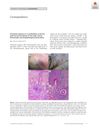
June 2018 in “Clinical and Experimental Dermatology”
2 citations
,
June 2018 in “Clinical and Experimental Dermatology” Permanent hair loss after a stem cell transplant can be a sign of chronic immune system attack on the scalp.
 June 2022 in “bioRxiv (Cold Spring Harbor Laboratory)”
 ILC1-like cells can cause alopecia areata by attacking hair follicles.
 6 citations
,
June 2018 in “Journal of pediatric endocrinology & metabolism/Journal of pediatric endocrinology and metabolism”
6 citations
,
June 2018 in “Journal of pediatric endocrinology & metabolism/Journal of pediatric endocrinology and metabolism” Patients with the same genetic mutation for vitamin D-resistant rickets showed different symptoms but all improved with treatment except for hair loss.
May 2009 in “OPAL (Open@LaTrobe) (La Trobe University)” Suppressing the HGPS mutation may improve symptoms and suggest reversibility.
April 2010 in “Dermatology Times”  36 citations
,
January 2019 in “Nature communications”
36 citations
,
January 2019 in “Nature communications” High lactate dehydrogenase activity is not necessary for the growth of squamous cell carcinoma.
 1 citations
,
November 2024 in “Cutis”
1 citations
,
November 2024 in “Cutis” PLLA injections can cause hair loss and skin issues.
 November 2011 in “Journal of Infection”
 Many women with HIV in the North of England are diagnosed late and have other health conditions.
 December 2023 in “Research Square (Research Square)”
 These specific gene polymorphisms are not linked to Alopecia Areata in Egyptians.
 9 citations
,
May 2013 in “JAMA Dermatology”
9 citations
,
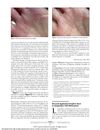
May 2013 in “JAMA Dermatology” Sunlight exposure improved a patient's skin condition, and there may be a link between a certain disease and skin growths; a leukemia treatment caused changes in hair color and growth.
 November 2023 in “Heliyon”
 A woman got a serious eye infection after a hair loss treatment due to improper procedure.