 April 2018 in “The journal of investigative dermatology/Journal of investigative dermatology”
 Ginseng and Albizia extracts may help prevent age-related hair thinning.
 March 2018 in “Suez Canal University Medical Journal”
 New drugs targeting the JAK-STAT pathway show promise for treating inflammatory skin diseases.

Lichen planopilaris and frontal fibrosing alopecia are likely the same disease with different clinical appearances.
 January 2014 in “Genes and Cells”
 Genetically modified cells improved skin wound healing in rats.

Accurate diagnosis of cicatricial alopecias requires thorough scalp examination and multiple biopsy techniques.
 January 2011 in “International Journal of Trichology”
 The conference highlighted new diagnostic tools, the role of genetics in hair loss, and emerging treatments.
 January 1999 in “Journal of the European Academy of Dermatology and Venereology”
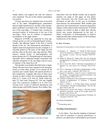
 RAPK is a rare skin disorder with pigmented spots, mainly on hands and feet, starting in youth.
 January 1989 in “Side effects of drugs annual”
 Some cancer and immune system drugs can cause serious side effects, including heart, lung, nerve, and organ damage, which need careful monitoring and management.
 August 2018 in “Journal of The American Academy of Dermatology”
 A 5-year-old girl with a rare skin disorder was effectively treated with skin creams instead of oral medication.
 August 2018 in “Journal of The American Academy of Dermatology”
 A 16-year-old girl's skin rash was likely caused by an infection and improved with topical steroids.
September 2014 in “Genes and Cells” Genetically modified umbilical cord blood cells improved skin wound healing in rats.
 July 2008 in “British Journal of Dermatology”
 Cyclosporin doesn't stop hair loss.
 May 2026 in “International Journal of Molecular Sciences”
 Chemotherapy-induced hair loss may be linked to immune system changes, and certain treatments could help but need careful use.
 January 2023 in “Karger Kompass. Dermatologie”
 Scientists are still unsure what triggers the immune system to attack hair follicles in Alopecia areata.
 2 citations
,
February 2023 in “Journal of the American Academy of Dermatology”
2 citations
,
February 2023 in “Journal of the American Academy of Dermatology” People with autism are more likely to develop alopecia areata than those without autism.
Enhanced stem cells from the placenta can reduce fat cell formation in eye disease.
 41 citations
,
August 2007 in “European Journal of Gastroenterology & Hepatology”
41 citations
,
August 2007 in “European Journal of Gastroenterology & Hepatology” A woman's total hair loss from hepatitis C treatment grew back after stopping the medication.
11 citations
,
February 2019 in “Stem cells international” Skin-derived stem cells grow faster and are easier to obtain than hair follicle stem cells, but both can become various cell types.
8 citations
,
March 2022 in “Frontiers in Cell and Developmental Biology” Human hair follicle stem cells can help treat bone loss in osteoporosis.
2 citations
,
December 2024 in “International Journal of Molecular Sciences” Liver stem cells keep their basic functions even in inflamed liver tissue.
1 citations
,
January 2025 in “Clinical Cosmetic and Investigational Dermatology” Higher levels of certain proteins may increase or decrease rosacea risk.
November 2025 in “Annals of Dermatology” Alopecia Areata affects young adults more in high-income countries, especially females.
 October 2025 in “Clinical Cosmetic and Investigational Dermatology”
 Targeting specific cell interactions may help treat skin fibrosis.
 August 1994 in “Journal of dermatological science”
 Different substances affect hair and skin cell growth in various ways.
 March 2024 in “Frontiers in Endocrinology”
 The study found that alopecia areata and hypothyroidism increase the risk of each other, but androgenetic alopecia and hypothyroidism do not.
17 citations
,
July 2024 in “Frontiers in Oncology” New therapies and trials are needed for Merkel cell carcinoma, a tough skin cancer.
 489 citations
,
November 2021 in “Signal Transduction and Targeted Therapy”
489 citations
,
November 2021 in “Signal Transduction and Targeted Therapy” The JAK/STAT pathway is important in cell processes and disease, and JAK inhibitors are promising for treating related conditions.
 318 citations
,
January 2022 in “Signal Transduction and Targeted Therapy”
318 citations
,
January 2022 in “Signal Transduction and Targeted Therapy” The Wnt/β-catenin pathway is important for body functions and diseases, and targeting it may treat conditions like cancer, but with safety challenges.
181 citations
,
December 2017 in “Trends in immunology” Intestinal intraepithelial lymphocytes are crucial for gut immunity and maintaining the mucosal barrier.
24 citations
,
December 1997 in “Mayo Clinic proceedings” Carbamazepine may cause lung problems and lupus-like symptoms, which can improve after stopping the drug.