
Lnc056 helps hair follicle stem cells grow by increasing TRIP6 expression.
 15 citations
,
April 2002 in “British Journal of Dermatology”
15 citations
,
April 2002 in “British Journal of Dermatology” Hairless gene not strongly linked to baldness.
September 2019 in “The journal of investigative dermatology/Journal of investigative dermatology” A new mutation in the STING protein causes a disease with lupus-like symptoms and responds well to a specific inhibitor treatment.
 1 citations
,
January 2020 in “Benha Journal of Applied Sciences”
1 citations
,
January 2020 in “Benha Journal of Applied Sciences” Certain gene variations may increase the risk and severity of alopecia areata.
July 2025 in “Journal of Investigative Dermatology” Hhip-Cre effectively targets dermal papilla cells for gene manipulation in hair biology.
May 2010 in “OPAL (Open@LaTrobe) (La Trobe University)” Vaccines and targeting TrxR variants can help prevent cancer and reduce metastasis.

Secukinumab treatment may cause HBV reactivation and hair discoloration.
June 2020 in “Jurnal Penyakit Dalam Indonesia” Anti-DFS70 antibodies can help identify nonsystemic autoimmune conditions in SLE patients.
7 citations
,
August 2008 in “Immunogenetics” A gene mutation in mice causes increased mast cells and disorganized hair follicles in their skin.
July 2026 in “Journal of Investigative Dermatology” November 2025 in “The Journal of Immunology” Different γδ T cell types have unique roles in causing alopecia areata.
 42 citations
,
August 1999 in “The American journal of pathology”
42 citations
,
August 1999 in “The American journal of pathology” Basal cell carcinomas have much higher levels of Vitamin D3 receptors compared to healthy skin.
September 2025 in “Radboud University Press eBooks” AHR ligands could treat inflammatory skin diseases.
 14 citations
,
February 2017 in “Scientific Reports”
14 citations
,
February 2017 in “Scientific Reports” Certain variations of the HDAC9 gene can increase or decrease stroke risk in the Chinese population.
10 citations
,
December 2008 in “Molecular Carcinogenesis” The PML protein helps prevent skin cancer in mice.
13 citations
,
February 1995 in “Archives of Dermatological Research” Gamma/delta T cells help defend skin against heavy metals.
 1 citations
,
February 2009 in “Clinical and Experimental Dermatology”
1 citations
,
February 2009 in “Clinical and Experimental Dermatology” Hormone-replacement therapy improved a woman's skin condition known as lymphomatoid papulosis.
November 2025 in “The Journal of Immunology” A humanized IL-2 fusion protein boosts T regulatory cells and helps control hair loss in Alopecia Areata.
 April 2023 in “The journal of investigative dermatology/Journal of investigative dermatology”
 The study suggests that a specific type of immune cell, memory-like NK cells, may increase during active hair loss in Alopecia areata.
2 citations
,
March 2010 in “Acta Biochimica Polonica” Raltitrexed conjugates are less potent than the free drug but more effective at high concentrations.
 4 citations
,
January 2022 in “The journal of investigative dermatology/Journal of investigative dermatology”
4 citations
,
January 2022 in “The journal of investigative dermatology/Journal of investigative dermatology” A faulty KLHL24 gene leads to hair loss by damaging hair follicle stem cells.
 27 citations
,
August 2010 in “Clinics in Dermatology”
27 citations
,
August 2010 in “Clinics in Dermatology” Hepatitis C virus can cause skin diseases and dermatologists play a crucial role in identifying these conditions.
22 citations
,
March 2017 in “Transplant Infectious Disease” Leflunomide successfully treated a rare skin condition in a liver transplant patient.
July 2024 in “Journal of Investigative Dermatology” Sex and race affect immune responses and treatment outcomes in Hidradenitis suppurativa.
June 2026 in “British Journal of Dermatology” Hairline-lowering surgery may trigger lichen planopilaris in some people.
4 citations
,
January 2023 in “Skin Appendage Disorders” Changes in certain RNA and protein levels may contribute to alopecia areata and could be treatment targets.
 6 citations
,
July 2015 in “European Journal of Dermatology”
6 citations
,
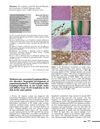
July 2015 in “European Journal of Dermatology” Stopping methotrexate might reverse lymphoma-like conditions in some patients.
6 citations
,
January 2005 in “Biology of Blood and Marrow Transplantation” Graft-versus-host disease occurs when donor immune cells attack the recipient's body, causing skin, gut, and liver damage.

Hepatitis B vaccination can trigger HSP, and vitamin D correction and tonsillectomy can effectively manage it.
April 2026 in “Journal of Cutaneous Pathology” Alopecia can be caused by multicentric reticulohistiocytosis.