11 citations
,
January 2015 in “Journal of cellular physiology” HR protein causes abnormal hair cycles by increasing Tgf-β2 and reducing miR-31.
 June 2008 in “Experimental dermatology”
 Melatonin protects skin and hair from damage and stress by acting as an antioxidant and influencing cell growth.
 19 citations
,
November 1993 in “Mammalian Genome”
19 citations
,
November 1993 in “Mammalian Genome” A gene mutation in mice causes permanent hair loss and skin issues.
Mutations in the hairless protein gene cause hair loss.
 14 citations
,
July 2010 in “Experimental Dermatology”
14 citations
,
July 2010 in “Experimental Dermatology” A new mutation in the HR gene causes hair loss in a specific family.
 November 2023 in “The journal of investigative dermatology/Journal of investigative dermatology”
 Removing MCPIP1 from myeloid cells in mice leads to hair loss and prevents skin tumors but causes pigmented spots.
17 citations
,
September 2018 in “Matrix Biology” Laminin-511 is essential for proper melanocyte movement and development in mice.
February 2026 in “Case Reports in Dermatology” Finasteride can cause melasma, especially in people with darker skin.
 44 citations
,
April 2017 in “Genes & development”
44 citations
,
April 2017 in “Genes & development” Scientists found cells in hair that are key for growth and color.
 3 citations
,
January 2019 in “Journal of Dermatology”
3 citations
,
January 2019 in “Journal of Dermatology” The p.P25L mutation in the KRT5 gene causes a rare skin condition that worsens over time and may lead to hair loss starting in young adulthood.
September 2019 in “Journal of Investigative Dermatology” PCE-DP brightens skin and promotes hair growth by enhancing cell growth and reducing melanin uptake.
 16 citations
,
February 2015 in “Photochemistry and Photobiology”
16 citations
,
February 2015 in “Photochemistry and Photobiology” Hair acts as a significant natural sun barrier, with protection increasing based on hair density, thickness, and melanin presence.
 December 2023 in “bioRxiv (Cold Spring Harbor Laboratory)”
 Different types of inactive melanocyte stem cells exist with unique characteristics and potential to develop into other cells.
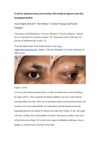 1 citations
,
March 2024 in “Ophthalmic Plastic and Reconstructive Surgery”
1 citations
,
March 2024 in “Ophthalmic Plastic and Reconstructive Surgery” A pilomatrixoma in the eyebrow can cause hair loss and skin lightening.
22 citations
,
June 2010 in “Experimental Dermatology” Lower MC2R expression may contribute to alopecia areata.
15 citations
,
May 2017 in “Journal of Cellular Biochemistry” The hairless protein is important for skin, hair, and may influence cancer development.
 30 citations
,
December 2001 in “Experimental dermatology”
30 citations
,
December 2001 in “Experimental dermatology” Gonadal hormones significantly affect the severity of alopecia areata in mice.
 2 citations
,
January 2019 in “Annals of Dermatology”
2 citations
,
January 2019 in “Annals of Dermatology” Melandrium firmum extract helps mice grow hair by blocking a hair loss enzyme and changing hair growth genes.
56 citations
,
December 2010 in “The journal of investigative dermatology/Journal of investigative dermatology” Hair follicle cells age faster and lose pigment due to less catalase, causing hair to turn gray.
 18 citations
,
October 2023 in “Nature Communications”
18 citations
,
October 2023 in “Nature Communications” Men with baldness are more prone to skin cancers on the scalp due to sun exposure, not testosterone.
28 citations
,
September 1995 in “Biochemistry and Cell Biology” Merkel cells are more densely found in hairless skin areas like palms and soles.
 27 citations
,
April 2019 in “Journal of The American Academy of Dermatology”
27 citations
,
April 2019 in “Journal of The American Academy of Dermatology” Where melanoma is on the body affects survival chances; melanomas on the back of the head are worse, while those on thighs and arms are less severe, and more sun exposure might improve survival.
 September 2025 in “Digital Commons - RU (Rockefeller University)”
 Nfib in hair follicle stem cells boosts melanocyte stem cell growth and differentiation.
105 citations
,
April 2005 in “Cell” Hair graying happens because certain cells aren't maintained properly.
 252 citations
,
January 2008 in “Trends in Endocrinology and Metabolism”
252 citations
,
January 2008 in “Trends in Endocrinology and Metabolism” Melatonin in the skin helps protect against damage from stress and UV rays, and could be used to treat certain skin conditions.
 21 citations
,
January 2019 in “Experimental dermatology”
21 citations
,
January 2019 in “Experimental dermatology” Light therapy using helium-neon lasers can help restore skin color in vitiligo by promoting skin cell growth and movement.
 1 citations
,
January 2015 in “Journal of Pigmentary Disorders”
1 citations
,
January 2015 in “Journal of Pigmentary Disorders” Melasma is a skin condition linked to female hormones, genetics, UV exposure, and certain medications, but not to pituitary, adrenal, or thyroid diseases.
 May 2021 in “International journal of developmental research”
 Estrogens and progesterone are key in regulating melasma pigmentation.
 13 citations
,
June 2020 in “Scientific reports”
13 citations
,
June 2020 in “Scientific reports” Melatonin stimulates the skin components of ram's scrotum during their non-breeding season.
 1 citations
,
November 2002 in “Journal of dermatology”
1 citations
,
November 2002 in “Journal of dermatology” The antibody created from BCC tissues reacts similarly to both BCC and hair follicles, suggesting BCC may come from hair follicle cells.