
Apraglutide and N-acetylcysteine (NAC) show promise in reducing cytarabine's harmful effects on organs.
April 2026 in “Regenerative Medicine” Significant progress and investment in advanced therapies and regenerative medicine continue.
 February 2026 in “International Journal of Molecular Sciences”
 Combining hyperthermia with natural compounds and conventional treatments improves cancer therapy effectiveness and reduces side effects.
October 2025 in “Pharmaceuticals” Auranofin shows promise as a cancer treatment, especially when combined with other therapies.
September 2025 in “International Journal of Molecular Sciences” Deucravacitinib may help treat various immune diseases beyond psoriasis, but more research is needed.
September 2025 in “International Journal of Molecular Sciences” International guidelines for treating alopecia areata vary, focusing on different treatment options and related health issues.
August 2025 in “American Journal of Dermatopathology” Accurate diagnosis and personalized treatment are crucial in dermatopathology.
June 2025 in “CA A Cancer Journal for Clinicians” Transgender men need personalized cancer care and continued testosterone therapy for well-being.
April 2025 in “Indian Dermatology Online Journal” Bird-related analogies help explain and remember skin conditions better.
 February 2025 in “Biomolecules”
 RORA boosts autophagy in hair follicle stem cells, potentially aiding hair growth.
December 2024 in “IntechOpen eBooks” Drug repurposing speeds up development, cuts costs, and uses known safe drugs, but faces challenges like regulations and patents.
 June 2024 in “International Journal of Nanomedicine”
 CRISPR/Cas9 has improved precision and control but still faces clinical challenges.
May 2024 in “Journal of Fungi” Tinea capitis in adults, especially postmenopausal Black women, needs prompt treatment with oral antifungals to avoid scarring.
 April 2024 in “JCEM case reports”
 A woman's rare benign tumor that released both cortisol and testosterone was successfully removed, improving her health.
 November 2023 in “Brain Sciences”
 Some medications might contribute to male infertility, with finasteride showing a high number of reports.
 November 2023 in “Aktualʹnì problemi sučasnoï medicini”
 The guidelines suggest using various treatments, including antidepressants and steroids, for alopecia areata and discuss the condition's genetic and immune aspects.
 November 2023 in “Advanced Science”
 A specific hair protein variant increases the spread of breast cancer and is linked to worse survival rates.
 August 2023 in “Frontiers in Endocrinology”
 Mutations in mitochondrial DNA might significantly contribute to the development of Polycystic Ovarian Syndrome.
 May 2023 in “Health science reports”
 Coloring shampoos for gray hair may cause gene mutation, reproductive issues, and skin damage, needing stricter regulation and expert consultation.
May 2023 in “Asian Journal of Transfusion Science” Platelet-rich plasma helps treat hair loss, and better screening improves transfusion safety.
 October 2022 in “JAAD case reports”
 A man with itchy skin lesions and weight loss was diagnosed with a rare skin condition linked to a pancreatic tumor.
 April 2022 in “Anti-cancer agents in medicinal chemistry”
 Some existing medicines show promise as safe treatments to protect against the side effects of radiation therapy.
November 2021 in “Clinical, cosmetic and investigational dermatology” An elderly woman with cancer improved after treatment for a rare skin condition with coiled hairs.
46 citations
,
November 2022 in “The Journal of Dermatology” Bullous pemphigoid is influenced by genetic factors, immune cell dysfunction, aging, and triggers, with treatment often improving symptoms.
January 2026 in “Contemporary Clinical Dentistry” VKHD can include rare oral symptoms like discolored teeth.
71 citations
,
January 2011 in “Journal of cutaneous pathology” A rare skin condition was confirmed to be associated with a specific virus in a young girl.
 8 citations
,
February 2005 in “British Journal of Haematology”
8 citations
,
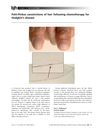
February 2005 in “British Journal of Haematology” Chemotherapy caused the patient's hair to have alternating thick and thin segments.
25 citations
,
September 2005 in “Journal of the American Academy of Dermatology” Rapp-Hodgkin syndrome, AEC, and EEC are different expressions of the same genetic disorder caused by TP63 gene mutations.
 3 citations
,
February 2016 in “Pediatric dermatology”
3 citations
,
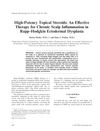
February 2016 in “Pediatric dermatology” Strong skin creams work well for long-term scalp inflammation in Rapp-Hodgkin Ectodermal Dysplasia.