 March 2025 in “Journal of Drugs in Dermatology”
 A new method helps manage skin side effects from hormonal cancer therapy, improving patient care.
 2 citations
,
October 2021 in “Exploration of targeted anti-tumor therapy”
2 citations
,
October 2021 in “Exploration of targeted anti-tumor therapy” Breast cancer hormone therapy can cause hair loss, which can be treated with daily applications of specific topical solutions like minoxidil and hydrocortisone butyrate.
 31 citations
,
March 2017 in “Journal of The American Academy of Dermatology”
31 citations
,
March 2017 in “Journal of The American Academy of Dermatology” Some breast cancer patients developed permanent hair loss after chemotherapy and hormonal therapy, showing patterns similar to common baldness and alopecia areata.
65 citations
,
November 2019 in “European Journal of Pharmacology” Anti-androgen therapy is crucial for treating cancer and hormone-related diseases, even with low testosterone levels.
18 citations
,
August 2019 in “Clinical breast cancer” Local hormonal treatment for vulvovaginal atrophy is likely safe for women with estrogen receptor-positive breast cancer on aromatase inhibitors.
2 citations
,
May 2011 in “Journal of Clinical Oncology” Further testing of paclitaxel poliglumex for this cancer treatment is not justified.
 6 citations
,
February 2013 in “Medical Oncology”
6 citations
,
February 2013 in “Medical Oncology” Certain genetic variants increase the risk of resistance to hormone therapy in prostate cancer patients.
4 citations
,
November 2022 in “BMC Women s Health” HER2-targeted or hormonal therapies improve quality of life for Sudanese breast cancer patients.
 29 citations
,
July 2009 in “BJU international”
29 citations
,
July 2009 in “BJU international” Blocking DHT production more strongly may help control advanced prostate cancer and improve quality of life.
 January 2015 in “Side effects of drugs annual”
 The document concludes that sex hormones and related compounds have various effects on health, with both potential benefits and risks.
 88 citations
,
June 2016 in “Human Reproduction Update”
88 citations
,
June 2016 in “Human Reproduction Update” New hormonal contraceptives are safer, have fewer side effects, and offer health benefits for women.
 7 citations
,
January 2013 in “European Urology”
7 citations
,
January 2013 in “European Urology” 5-Alpha reductase inhibitors may prevent prostate cancer but are not widely used due to concerns about trial relevance and potential risks, and more research is needed to confirm long-term benefits.
 3 citations
,
January 2021 in “Skin appendage disorders”
3 citations
,
January 2021 in “Skin appendage disorders” Hair loss due to scalp metastasis from breast cancer, known as Neoplastic Alopecia, has a better survival rate than other scalp metastases and requires a biopsy for diagnosis.
11 citations
,
July 2024 in “Cancers” Preventing and managing skin issues from cancer treatment is crucial, especially in high UV areas like Australia and New Zealand.
 1 citations
,
September 2020 in “Endocrinology, Diabetes & Metabolism Case Reports”
1 citations
,
September 2020 in “Endocrinology, Diabetes & Metabolism Case Reports” The conclusion is that thorough investigation of hypertension and hormonal dysfunctions is important, and there may be a link between these conditions and cancer.
 28 citations
,
October 2018 in “Clinical Obstetrics and Gynecology”
28 citations
,
October 2018 in “Clinical Obstetrics and Gynecology” Testosterone therapy seems safe and effective for transgender men with proper care, but more long-term research is needed.
 90 citations
,
December 2007 in “Current Oncology”
90 citations
,
December 2007 in “Current Oncology” Non-hormonal treatments should be used first for sexual dysfunction in postmenopausal breast cancer patients on aromatase inhibitors, with hormones as a second option.
 9 citations
,
January 2018 in “Journal of the European Academy of Dermatology and Venereology”
9 citations
,
January 2018 in “Journal of the European Academy of Dermatology and Venereology” A male patient developed frontal fibrosing alopecia after antiandrogen therapy for prostate cancer.
5 citations
,
August 2025 in “Biomedicines” Early detection and multidisciplinary management of skin and mouth side effects from breast cancer treatments improve patient outcomes.
 22 citations
,
October 2018 in “British Journal of Haematology”
22 citations
,
October 2018 in “British Journal of Haematology” Women have a higher risk of blood clots from hormonal factors and need careful treatment, especially during pregnancy.
 January 2015 in “Springer eBooks”
 The document concludes that managing PCOS involves lifestyle changes, medication, and monitoring for associated health risks.
16 citations
,
January 2019 in “LGBT health” Transgender women can still get testicular cancer, so proper screening is important.
 7 citations
,
October 2019 in “Klinická onkologie”
7 citations
,
October 2019 in “Klinická onkologie” Cancer treatments often cause hair loss and damage, affecting patients' mental health.
 3 citations
,
July 2014 in “Indian Journal of Surgery”
3 citations
,
July 2014 in “Indian Journal of Surgery” Sex hormones might influence bladder cancer development, and aromatase inhibitors could increase risk in postmenopausal women.
 October 2010 in “International Journal of Dermatology”
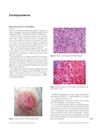
 An 86-year-old man with prostate cancer was diagnosed with a rare, low-grade breast cancer and underwent surgery but declined additional hormone therapy.
 January 1987 in “Journal of steroid biochemistry/Journal of Steroid Biochemistry”
 Norethisterone (jenapharm) therapy is effective for endometrial cancer.
5 citations
,
September 1998 in “Medical hypotheses” Hormone therapy might be a proactive alternative to watchful waiting for early-stage prostate cancer, potentially improving survival without aggressive treatment downsides.
 June 2017 in “Reactions Weekly”
 Some breast cancer treatments caused long-term hair loss in women, similar to a condition called alopecia areata.
 4 citations
,
January 2011 in “Dermatology”
4 citations
,
January 2011 in “Dermatology” A patient grew extra hair on their ears after treatment for testicular cancer, possibly due to hormonal changes or genetics.
 1 citations
,
January 2006 in “Elsevier eBooks”
1 citations
,
January 2006 in “Elsevier eBooks” Cats lose fur due to various reasons, including allergies, infections, genetics, hormones, diet, cancer, stress, and some conditions are treatable while others are not.