 2 citations
,
March 2004 in “Reviews in Gynaecological Practice”
2 citations
,
March 2004 in “Reviews in Gynaecological Practice” Hormonal changes and psychological issues can cause sexual dysfunction in postmenopausal women. Behavioral therapy is recommended first, with hormone replacement helping some symptoms but not libido. Testosterone can improve libido, but its effects on overall sexual function are unclear. Emotional and relationship issues should be addressed before using medication, and the benefits and risks of testosterone supplementation should be considered.
 March 2025 in “Journal of College of Physicians And Surgeons Pakistan”
 Many LGBTQ individuals in Lahore face skin issues, with androgenic alopecia, dry skin, and scabies being common, highlighting the need for better healthcare access and provider training.
November 1978 in “PubMed” Antiandrogenic treatments can effectively manage certain skin conditions by using female hormones.
 14 citations
,
January 2018 in “Advances in Clinical Chemistry”
14 citations
,
January 2018 in “Advances in Clinical Chemistry” The document concludes that hormonal biomarkers are key for diagnosing hyperandrogenemia in women and hypogonadism in men.
 76 citations
,
January 2007 in “American Journal of Clinical Dermatology”
76 citations
,
January 2007 in “American Journal of Clinical Dermatology” Women with PCOS often have skin problems like excessive hair, acne, hair loss, and dark patches, which can be treated with hormonal and non-hormonal therapies.
 1 citations
,
October 2015 in “Journal of endocrinology and diabetes”
1 citations
,
October 2015 in “Journal of endocrinology and diabetes” Understanding Polycystic Ovary Syndrome (PCOS) and its causes can lead to effective treatments.
August 2024 in “Journal of Photochemistry and Photobiology B Biology” Combining light therapy with certain substances improves hair growth in people with hair loss.
 1 citations
,
May 2020 in “Reproductive Endocrinology”
1 citations
,
May 2020 in “Reproductive Endocrinology” The document concludes that hair loss and acne in women can be due to both androgen-related and unrelated causes, requiring a collaborative treatment approach.
 2 citations
,
January 2014 in “Springer eBooks”
2 citations
,
January 2014 in “Springer eBooks” Polycystic Ovary Syndrome (PCOS) often leads to severe acne, and lifestyle changes and hormonal treatments can help manage it.
 92 citations
,
January 1998 in “Dermatology”
92 citations
,
January 1998 in “Dermatology” Ketoconazole shampoo improves hair growth and reduces oil similarly to minoxidil in male pattern hair loss.
 May 2022 in “Journal of the Egyptian Women's Dermatologic Society (Print)”
 Women's hair loss can be due to hormonal changes and various conditions, with treatments focusing on stopping progression and managing symptoms.
1 citations
,
January 2020 in “Bioscience Reports” Long-term use of finasteride in women can cause hormonal changes, DNA damage, and menstrual issues.
 January 2025 in “Indian Journal of Dermatology”
 Frontal fibrosing alopecia is a challenging hair loss condition with no known cause or definitive treatment.
1 citations
,
July 2024 in “Journal of Plastic Reconstructive & Aesthetic Surgery” Estrogen therapy can help stabilize the hairline in transfeminine individuals.
 195 citations
,
May 2003 in “Obstetrics and gynecology (New York. 1953. Online)/Obstetrics and gynecology”
195 citations
,
May 2003 in “Obstetrics and gynecology (New York. 1953. Online)/Obstetrics and gynecology” Most women with excess hair growth have an underlying hormonal issue, often treated with medication and hair removal methods.
Combining PRP and microneedling effectively improves hair growth and patient satisfaction for hair loss.
 185 citations
,
August 2020 in “Mayo Clinic Proceedings”
185 citations
,
August 2020 in “Mayo Clinic Proceedings” Men are more likely to have severe COVID-19 cases and fatalities than women due to factors like lifestyle, aging, and biological differences.
 24 citations
,
May 2010 in “Hautarzt”
24 citations
,
May 2010 in “Hautarzt” Different hormones affect hair growth and conditions, with some causing hair loss and others promoting it.
 January 2014 in “Journal of Investigative Dermatology”
 Proteins like aPKC and PDGF-AA, substances like adenosine and ATP, and adipose-derived stem cells all play important roles in hair growth and health, and could potentially be used to treat hair loss and skin conditions.
 42 citations
,
February 1998 in “The Journal of Steroid Biochemistry and Molecular Biology”
42 citations
,
February 1998 in “The Journal of Steroid Biochemistry and Molecular Biology” PNU 157706 is a more effective treatment than finasteride for conditions caused by DHT, like enlarged prostate and hair loss.
 20 citations
,
October 2017 in “Clinical Endocrinology”
20 citations
,
October 2017 in “Clinical Endocrinology” The conclusion is that removing both ovaries is the best treatment for excess male hormones in postmenopausal women, with medication as another option, and managing insulin resistance is important for diagnosis and treatment.
7 citations
,
July 2024 in “Frontiers in Immunology” COVID-19 can increase the risk of hair loss, especially in people over 40.
 June 2012 in “Springer eBooks”
 Eating disorders can cause various hair problems, and while hair loss in these disorders is linked to metabolic syndrome, treatment focuses on specific medications and lifestyle changes for the syndrome.
 January 2011 in “Yearbook of Dermatology and Dermatologic Surgery”
 Acne and hair loss are not good indicators of hormone imbalance in PCOS, but excessive body hair is.
 June 2024 in “Computational and Structural Biotechnology Journal”
 Multi-omics techniques help understand the molecular causes of androgenetic alopecia.
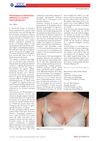 1 citations
,
August 2012 in “Journal der Deutschen Dermatologischen Gesellschaft”
1 citations
,
August 2012 in “Journal der Deutschen Dermatologischen Gesellschaft” A woman's hyperandrogenism was caused by a genetic mutation leading to non-classic adrenogenital syndrome.
 August 2001 in “Veterinary Dermatology”
 The meeting presented findings on effective treatments for various pet skin conditions and insights into the immune responses of dogs with atopic dermatitis.
 September 2022 in “Dermato”
 Adult acne is often related to hormonal disorders, especially in women, and may need long-term treatment involving specialists.
2 citations
,
July 2024 in “International Journal of Transgender Health” Transgender individuals may face specific skin issues during gender-affirming treatments, needing personalized care.
 1 citations
,
July 2023 in “Cancers”
1 citations
,
July 2023 in “Cancers” Skin side effects from CDK4/6 inhibitors in breast cancer patients are generally mild and treatable, allowing most patients to continue treatment.