Search
for
Sort by
Research
840-870 / 1000+ resultsresearch Endocrinology Update: Hirsutism.
Hirsutism involves excessive hair growth due to hormonal issues and can be treated with medication or surgery.
research Hyperandrogenism in Adolescent Girls
The conclusion is that a thorough approach is needed to diagnose and manage hyperandrogenism in teenage girls, recognizing its major psychological and health effects.
research Polycystic ovary syndrome is associated with weight‐loss attempts and perception of overweight independent of BMI: a population‐based cohort study
Women with PCOS often try to lose weight and see themselves as overweight, regardless of their actual BMI.
research Hirsutism
Excessive hair growth in women, often from high androgen levels, is usually caused by PCOS, and can be treated with hair removal, medication, and possibly weight loss.
research Ovarian Stromal Hyperthecosis and Hyperandrogenemia Refractory to Hormonal Suppression
Removing both ovaries may better treat increased male hormone levels and related symptoms in postmenopausal women when hormone therapy doesn't work.
research A Comprehensive Approach in Diagnosing the Polycystic Ovary Syndrome
The document concludes that diagnosing PCOS requires a thorough approach, considering various symptoms and risks, and calls for improved methods to identify PCOS types and prevent diabetes.
research The application of optical technology in the diagnosis and therapy of oxidative stress-mediated hepatic ischemia-reperfusion injury
Optical imaging and light therapy show promise for diagnosing and treating liver injury caused by surgery.
research A smart polyhydroxyalkanoate-hyaluronic acid hybrid biphasic delivery platform for enhanced Alzheimer’s symptom management via sustained huperzine A release
The new delivery system improves Alzheimer's symptoms by releasing Huperzine A slowly and effectively.
research Cutaneous manifestation of polycystic ovary syndrome
Skin problems like acne and excess hair in PCOS are common and linked to being overweight.
research Unravelling the Origins of Polycystic Ovary Syndrome: Analyzing Clinical Biomarker Profiles in Adolescent and Middle-Aged Women
PCOS may start with high insulin levels, and certain biomarkers can help understand its causes, especially in teens.
research Comparative Management Methods for Adolescents With Polycystic Ovarian Syndrome: A Systemic Review
Individualized treatment plans, including lifestyle changes and specific medications, are crucial for managing PCOS in adolescents.
research The BIOMarkers in Atopic Dermatitis and Psoriasis (BIOMAP) glossary: developing a lingua franca to facilitate data harmonization and cross‐cohort analyses
The BIOMAP glossary standardizes data to improve research on atopic dermatitis and psoriasis.

research PCOS: update and diagnostic approach
The document concludes that more research is needed to fully understand the causes of PCOS.
research Lichen Planopilaris
Lichen Planopilaris is a hair loss condition best treated early with various medications, including hydroxychloroquine, to prevent permanent baldness.
research Acne Vulgaris with Polycystic Ovarian Syndrome: A Case Report
Acne and PCOS are linked due to hormonal imbalances and metabolic issues.
research Polycystic Ovary Syndrome: A Comprehensive Review of Its Clinical Presentation, Comorbidities, Long-Term Complications and Management
PCOS is a common disorder in women causing symptoms like irregular periods and weight gain, with management possible through lifestyle changes and medication.
research Pattern of dermatologic manifestations in polycystic ovarian disease cases from a tertiary care hospital
The most common skin problems in polycystic ovarian disease are hirsutism and acne, and managing these symptoms is key for treatment.
research Haben Schwangerschaft und Elternschaft Einfluss auf den Verlauf des PCO-Syndroms? Basis-Daten der prospektiven LIPCOS-Studie (Lebensstil-Intervention beim Polyzystischen Ovar Syndrom (PCOS))
Pregnancy and parenthood may help regulate PCOS symptoms.
research SUN-105 A Classic Case of Ovarian Hyperthecosis
Ovarian hyperthecosis can cause high testosterone and symptoms like hair loss, and surgery can help improve these symptoms.
research Lymphomatoid papulosis improving on hormone-replacement therapy
Hormone-replacement therapy improved a woman's skin condition known as lymphomatoid papulosis.
research Society for Endocrinology Clinical Practice Guideline for the Evaluation of Androgen Excess in Women
Evaluate and manage androgen excess in women with a systematic approach, considering both physical and psychological impacts.
research Polycystic Ovaries Are Inherited as an Autosomal Dominant Trait: Analysis of 29 Polycystic Ovary Syndrome and 10 Control Families
Polycystic ovaries and early male baldness are inherited traits.
research Maternal Influence on Child HPA Axis: A Prospective Study of Cortisol Levels in Hair
Maternal stress during pregnancy affects a child's stress levels.
research Cyclooxygenases in the skin: pharmacological and toxicological implications
Blocking COX, especially COX-2, in the skin can reduce inflammation and pain and may help prevent skin cancer.
research Surrogate end-points or primary outcomes in clinical trials in women with polycystic ovary syndrome?
The document suggests that clinical trials for PCOS should focus on meaningful primary outcomes like live birth rates, rather than less reliable surrogate markers.
research Poly Cystic Ovarian Syndrome is a Disease of Ovary that Can Causes Cyst
PCOS causes hormonal imbalance, irregular periods, and can lead to obesity.
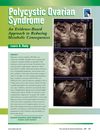
research Polycystic Ovarian Syndrome
The document concludes that managing PCOS requires a comprehensive approach, including lifestyle changes and medication, to improve symptoms and reduce health risks.
research The modern management of hirsutism
Effective hirsutism management requires identifying the cause, combining new and traditional treatments, and setting realistic expectations for patients.
research Endocrine systems of the skin
The skin acts like an endocrine organ, making hormones that affect skin diseases and respond to stress.