 6 citations
,
November 2021 in “Oncology Research and Treatment”
6 citations
,
November 2021 in “Oncology Research and Treatment” Low Vitamin D receptor levels in breast cancer are linked to worse outcomes and more bone metastases, and could be a marker for prognosis.
November 2024 in “Journal of Investigative Dermatology” Blocking the JAK/STAT pathway may help reduce skin sensitivity in Xeroderma pigmentosum.
 1 citations
,
January 2017 in “The Annals of Clinical and Analytical Medicine”
1 citations
,
January 2017 in “The Annals of Clinical and Analytical Medicine” Vitamin D receptor gene changes don't affect alopecia areata risk.
June 2020 in “Jurnal Penyakit Dalam Indonesia” Anti-DFS70 antibodies can help identify nonsystemic autoimmune conditions in SLE patients.
253 citations
,
April 2009 in “Journal of Biological Chemistry” p2y5, now called LPA6, is a receptor important for human hair growth.
37 citations
,
October 2006 in “Archives of Biochemistry and Biophysics” A unique gene mutation causes vitamin D-resistant rickets without causing hair loss.
 March 2025 in “OncoTargets and Therapy”
 A specific genetic trait in tumor cells is linked to longer survival without disease in certain lymphoma patients.
 10 citations
,
September 2015 in “PLoS ONE”
10 citations
,
September 2015 in “PLoS ONE” New mutations in the VDR gene cause vitamin D-resistant rickets without hair loss.
1 citations
,
April 2016 in “Journal of Investigative Dermatology” Targeting specific T cells may help treat alopecia areata.
22 citations
,
January 1990 151 citations
,
August 2011 in “The EMBO Journal” The enzyme PA-PLA1α is important for proper hair follicle development.
66 citations
,
July 2010 in “Journal of Proteome Research” Trichohyalin may trigger the immune response causing alopecia areata.
6 citations
,
June 2023 in “Experimental Dermatology” Targeting mitophagy may help treat alopecia areata by reducing inflammasome activation.
 474 citations
,
January 2012 in “Chemistry & biology”
474 citations
,
January 2012 in “Chemistry & biology” Proteasome inhibitors are promising treatments for various cancers, autoimmune diseases, and other conditions.
354 citations
,
August 1991 in “Molecular Endocrinology” Human adrenals and gonads have a unique enzyme for steroid hormone production.
1 citations
,
August 2016 in “Journal of Investigative Dermatology” Vδ1+ T-cells in the skin contribute to hair loss in alopecia areata and could be targeted for treatment.
 7 citations
,
April 2019 in “The Journal of Steroid Biochemistry and Molecular Biology”
7 citations
,
April 2019 in “The Journal of Steroid Biochemistry and Molecular Biology” 11α-Hydroxyprogesterone is changed into different substances by certain enzymes and may play a role in prostate cancer.
39 citations
,
April 2019 in “The journal of immunology/The Journal of immunology” Malt1 protease is essential for regulatory T cell function and could be targeted to boost antitumor immunity.
Potential new drugs for treating PCOS were identified.
60 citations
,
July 2014 in “Autophagy” The protein FLCN is involved in cellular cleanup and is regulated by ULK1.
 January 2017 in “Jikken doubutsu ihou/Jikken doubutsu/Experimental animals/Jikken Dobutsu”
 Mice with a changed Hr gene lose and regrow hair due to changes in the gene's activity.
December 2024 in “Regenerative Therapy” Inhibiting SFRP1 may help treat hair loss.
 24 citations
,
November 2019 in “Experimental Dermatology”
24 citations
,
November 2019 in “Experimental Dermatology” PPAR-γ is important for healthy hair and its problems, and more research on PPAR-γ treatments is needed.
January 2018 in “Elsevier eBooks” Progeria, a disease that causes early aging, is linked to a gene mutation and helps us understand normal aging.
 January 2026 in “Medicine”
 Hejie Shengfa Decoction may help treat alopecia areata by promoting hair growth and reducing inflammation, but more safety studies are needed.
 5 citations
,
June 2015 in “British Journal of Dermatology”
5 citations
,
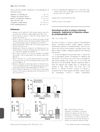
June 2015 in “British Journal of Dermatology” A certain medication improved severe itching in a boy with liver and bowel disease by reducing histamine levels, suggesting a new treatment target.
1 citations
,
January 2004 in “Adelaide Research & Scholarship (AR&S) (University of Adelaide)” SPARC likely aids in tissue remodeling during the hair cycle, not in starting new hair growth phases.
May 2024 in “LA Referencia (Red Federada de Repositorios Institucionales de Publicaciones Científicas)” Certain gene combinations may affect prostate cancer risk, and GSTP1 methylation is linked to tumor aggressiveness.
35 citations
,
August 2006 in “Molecular genetics and metabolism” Tissue-specific variation in mutant load complicates genetic counseling and prenatal diagnosis.
August 2024 in “Journal of the Egyptian Womenʼs Dermatologic Society” SOX10 in hair follicles is linked to inflammation in alopecia areata.