February 2026 in “Advanced Science” Targeting the p300/AR axis may help treat polycystic ovary syndrome.
 10 citations
,
October 2014 in “Journal of Ovarian Research”
10 citations
,
October 2014 in “Journal of Ovarian Research” The IRS-2 Asp/Asp genotype may increase the risk of PCOS in Chinese women, especially if they are not obese.
4 citations
,
July 2023 in “Frontiers in Microbiology” HGF combined with ADA is highly accurate for diagnosing tuberculous pleural effusion, especially in younger females.
January 2024 in “Animals” SP1 promotes and KROX20 inhibits hair cell growth by affecting the CUX1 gene.
 199 citations
,
April 2010 in “Nature”
199 citations
,
April 2010 in “Nature” A gene called APCDD1, which controls hair growth, is found to be faulty in a type of hair loss called hereditary hypotrichosis simplex.
 January 2026 in “China National GeneBank DataBase”
 Human hair follicle stem cells can help heal wounds faster.
9 citations
,
January 2021 in “Biomolecules” Infrared spectral imaging can map hair growth proteins and sugars without staining.
June 2023 in “Zenodo (CERN European Organization for Nuclear Research)” Hutchinson-Gilford Progeria Syndrome causes rapid aging due to a gene mutation, with no cure yet, but research may lead to better treatments.
32 citations
,
May 1999 in “Biochemical and Biophysical Research Communications” A new enzyme, BSSP, is found in high amounts in the hair follicles of nude mice.
 February 2016 in “The journal of allergy and clinical immunology/Journal of allergy and clinical immunology/The journal of allergy and clinical immunology”
 A new TP63 mutation was found in a baby with EEC syndrome, showing the need for TREC testing to check for immune issues.
September 2019 in “The journal of investigative dermatology/Journal of investigative dermatology” PPARγ signaling modulation can protect hair follicle stem cells from chemotherapy-induced damage.
9 citations
,
July 2007 in “Circulation Research” Defects in certain proteins cause major heart abnormalities during early development.
 July 2021 in “Scholars Journal of Medical Case Reports”
 Woodhouse-Sakati Syndrome can include unique symptoms like liver issues and low growth hormone.
 136 citations
,
April 2013 in “Clinical Cancer Research”
136 citations
,
April 2013 in “Clinical Cancer Research” The drug IPI-926 is safe at 160 mg daily and may help treat certain tumors, especially basal cell carcinoma.
October 2025 in “Clinical and Experimental Pediatrics” A novel CLDN1 mutation in a 2-month-old with NISCH showed improvement with symptom management.
 9 citations
,
August 2015 in “Tissue Engineering and Regenerative Medicine”
9 citations
,
August 2015 in “Tissue Engineering and Regenerative Medicine” Human skin cell byproducts can potentially be used to treat hair loss and promote hair growth.
4 citations
,
January 2021 in “Cell transplantation” Scientists found the best time to transplant human stem cells for hair growth is between days 16-18 when they have the right markers and growth potential.
 February 2026 in “International Journal of Homoeopathic Sciences”
 Personalized homeopathic treatment improved chronic spontaneous urticaria symptoms.
February 2023 in “Default Digital Object Group” 13 citations
,
June 2024 in “Frontiers in Genetics” About 50% of 46, XY DSD cases lack a genetic diagnosis, but advanced sequencing methods improve detection.
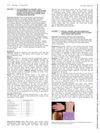
A TNFAIP3 gene mutation can cause unusual and varied symptoms of lupus and Sjogren's syndrome.
January 2016 in “프로그램북(구 초록집)” The revised BASP classification for hair loss is less accurate and harder to use but could still be a viable option.
 12 citations
,
April 2016 in “PLoS ONE”
12 citations
,
April 2016 in “PLoS ONE” The Chi-PCOSQ is effective for assessing health-related quality of life in Chinese women with PCOS.
January 2009 in “China Animal Husbandry & Veterinary Medicine” The B2C promoter works in sheep cells but not in mouse embryos.
 2 citations
,
January 2016 in “Scientifica”
2 citations
,
January 2016 in “Scientifica” Researchers created a reliable method to measure dexpanthenol and resorcinol in hair products.
The treatment was ineffective in humans.
 April 2018 in “Journal of Investigative Dermatology”
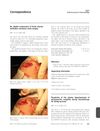
 Nonmelanoma skin cancers have higher levels of certain osteopontin variants than normal skin.
 2 citations
,
August 2013 in “British Journal of Dermatology”
2 citations
,
August 2013 in “British Journal of Dermatology” Chemotherapy improved a girl's painful foot condition linked to pachyonychia congenita.
5 citations
,
July 2024 in “Journal of Microbiology and Biotechnology” ICP5249 helps hair grow by activating a specific cell pathway.
26 citations
,
December 1990 in “Journal of Biological Chemistry” Two specific genes are more active during hair growth in mice.