 14 citations
,
October 2018 in “Brain Research Bulletin”
14 citations
,
October 2018 in “Brain Research Bulletin” Exosomes help nerve fibers grow by affecting specific cell signaling pathways.
2 citations
,
August 2017 in “Experimental Dermatology” A human serum-enriched medium effectively supports melanocyte growth and activity without using animal-derived supplements.
 July 2025 in “Russian Journal of Skin and Venereal Diseases”
 Exosome therapy significantly increased hair density in androgenetic alopecia patients.
 December 2023 in “International journal of multidisciplinary research and analysis”
 SH-MSCs gel reduced IL-6 and increased TGF-β, suggesting it could treat alopecia.
 71 citations
,
October 2008 in “The journal of investigative dermatology/Journal of investigative dermatology”
71 citations
,
October 2008 in “The journal of investigative dermatology/Journal of investigative dermatology” HFMs can help study hair growth and test potential hair growth drugs.
 January 2023 in “Biomedicine & Pharmacotherapy”
 Low oxygen conditions improve how well certain stem cells from embryos can make hair grow longer and faster.
 January 2024 in “Wiadomości Lekarskie”
 Multiomics is revolutionizing biology by enabling breakthroughs in research and disease diagnosis.
Placental components enhance blood vessel growth.
13 citations
,
September 2014 in “Birth defects research” Human epidermal neural crest stem cells could be used for therapies, drug discovery, and disease modeling.
3 citations
,
August 2025 in “Stem Cell Research & Therapy” Adipose-derived stem cells show promise in treating hair loss by promoting hair regrowth and improving hair follicle function.
 December 2025 in “Plastic & Reconstructive Surgery”
 The treatment effectively reduces hair loss and improves hair growth with minimal side effects.
11 citations
,
August 2024 in “Advanced Healthcare Materials” A new hydrogel with stem cells can repair damaged uterine lining and improve fertility.

The plant extract helped increase hair growth in men without severe side effects.
Sox13 is a marker for early hair follicle development but not essential for skin and hair growth.
 November 2025 in “IECCMEXICO”
 Regenerative therapies are improving aesthetic surgery by enhancing tissue quality and healing.
 April 2023 in “Journal of Investigative Dermatology”
 POUF51 and HES3 are key in controlling stem cell numbers in psoriasis.
July 2025 in “Ultrasound in Medicine & Biology” UTMD with diclofenac and Doxil® improves cancer treatment by boosting immune response and reducing tumor-supporting cells.
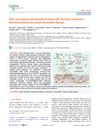 1 citations
,
October 2025 in “Nano Research”
1 citations
,
October 2025 in “Nano Research” A new microneedle patch effectively treats atopic dermatitis by reducing skin stress and restoring immune balance.
5 citations
,
February 2022 in “Seminars in cell & developmental biology” Recent findings suggest that genetic factors, immune system issues, and skin cell defects might contribute to the development of hidradenitis suppurativa.
July 2025 in “Genome biology” HT-scCAT-seq helps understand gene regulation in embryonic skin development.
December 2022 in “Stem Cells and Development” Exosomes from stem cells help improve nerve repair in rats.
13 citations
,
June 2014 in “Molecular therapy” The lentiviral array can monitor and predict gene activity during stem cell differentiation.
7 citations
,
July 2018 in “Stem cell research” Hair samples can be used to create stem cells easily and non-invasively.
 November 2022 in “The journal of investigative dermatology/Journal of investigative dermatology”
 Skin organoids with NCSTN mutation show changes in hair follicle development and higher inflammation, key features of Hidradenitis Suppurativa.
 23 citations
,
June 2015 in “Oncology Letters”
23 citations
,
June 2015 in “Oncology Letters” Adipose-derived stem cell-conditioned medium can reduce melanoma cell growth and spread.
June 2025 in “Journal of Cosmetic Dermatology” Excessive scalp massage after using minoxidil can cause hair damage, but reducing massage and using MSC exosomes can help.
November 2024 in “Tạp chí Y học Cộng đồng” Oral and topical tranexamic acid effectively and safely improve melasma.
November 2025 in “Journal of Cosmetic Dermatology” Exosome therapy can safely and effectively restore color to gray hair.
13 citations
,
May 2017 in “Current Protocols in Stem Cell Biology” A method was developed to isolate and study hair follicle stem cells from mouse skin.
 May 2026 in “Zenodo (CERN European Organization for Nuclear Research)”
 Ashwagandha seed exosomes may help promote hair growth.