71 citations
,
October 2017 in “Journal of Investigative Dermatology” PPAR-γ agonists like pioglitazone may help manage lichen planopilaris but don't fully reverse scarring.
 1 citations
,
January 2023 in “In vivo/In Vivo”
1 citations
,
January 2023 in “In vivo/In Vivo” Box A of HMGB1 can improve stem cell function, aiding anti-aging therapy.
124 citations
,
November 2019 in “International Journal of Molecular Sciences” Standardized kits improve the quality and consistency of isolating stem cells from fat tissue.
 41 citations
,
September 2010 in “Journal of dermatological science”
41 citations
,
September 2010 in “Journal of dermatological science” Bone marrow and umbilical cord stem cells can help grow new hair.
November 2010 in “Faculty Opinions – Post-Publication Peer Review of the Biomedical Literature” Mesenchymal stem cells from bone marrow and umbilical cord can help regenerate hair follicles.
3 citations
,
June 2019 in “Asian Journal of Medical Sciences” A new method improves stem cell harvest from umbilical cords, reducing time and cost.
April 2021 in “Institutional Repositories DataBase (IRDB)” High-intensity red LED light boosts bone cell growth and mineralization.
3 citations
,
November 2022 in “International journal of molecular sciences” Bio-pulsed stimulation increases production of beneficial vesicles from bird stem cells that improve skin and hair cell functions.
 November 2024 in “Cells Tissues Organs”
 Stem cells from umbilical cord blood are more effective than minoxidil for treating hair loss.
7 citations
,
March 2017 in “Experimental and Therapeutic Medicine” Hair follicle cells can help keep embryonic stem cells undifferentiated.
 November 2024 in “Stem Cell Research & Therapy”
 Stem cells from umbilical cords can help regrow hair in mice with hair loss.
 May 2025 in “World Journal of Stem Cells”
 Exosomes from stem cells can help regrow hair like minoxidil.
64 citations
,
January 2013 in “The journal of investigative dermatology/Journal of investigative dermatology” Human stem cells can help form hair follicles in mice.
 36 citations
,
January 2017 in “Stem Cells International”
36 citations
,
January 2017 in “Stem Cells International” A special stem cell fluid can speed up wound healing and hair growth in mice.
April 2026 in “Frontiers in Cell and Developmental Biology” Exosomes from stem cells can rejuvenate the scalp and improve hair growth.
March 2026 in “Frontiers in Bioengineering and Biotechnology” Stem cell-derived fibroblasts can effectively repair skin wounds.
 11 citations
,
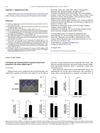
June 2012 in “Journal of Dermatological Science”
11 citations
,
June 2012 in “Journal of Dermatological Science” Scientists identified a group of human skin cells with high growth and regeneration potential.
1 citations
,
November 2025 in “Stem Cell Research & Therapy” Immortalized hair follicle cells could be useful for regenerative medicine and treating inflammation and oxidative stress.
 13 citations
,
August 2018 in “Facial Plastic Surgery Clinics of North America”
13 citations
,
August 2018 in “Facial Plastic Surgery Clinics of North America” Adipose tissue shows promise for hair regrowth, but more research is needed to confirm best practices and effectiveness.
 January 2023 in “Biomedicine & Pharmacotherapy”
 Low oxygen conditions improve how well certain stem cells from embryos can make hair grow longer and faster.
January 2007 in “Zhonghua shiyan waike zazhi” Basal layer skin cells help form the epidermis and hair follicles.
 773 citations
,
August 2017 in “International Journal of Molecular Sciences”
773 citations
,
August 2017 in “International Journal of Molecular Sciences” The secretions of mesenchymal stem cells could be used for healing without using the cells themselves.
 136 citations
,
May 2019 in “Cells”
136 citations
,
May 2019 in “Cells” Stem cell therapy, particularly using certain types of cells, shows promise for treating hair loss by stimulating hair growth and development, but more extensive trials are needed to confirm these findings.
 12 citations
,
September 2021 in “Stem Cell Reviews and Reports”
12 citations
,
September 2021 in “Stem Cell Reviews and Reports” StemMACS media is better for growing therapeutic stem cells than PowerStem media.
7 citations
,
January 2022 in “Biomedicines” Cells from the lower part of hair follicles are a promising, less invasive option for immune system therapies.
March 2024 in “Biomedicines” Mesenchymal stem cells show promise for effective skin repair and regeneration.
 November 2023 in “Linköping University medical dissertations”
 Keratinocytes and adipose-derived stem cells can effectively heal difficult skin wounds.
 August 2021 in “Research Square (Research Square)”
 StemMACS media is better for growing therapeutic stem cells.
1 citations
,
December 2025 in “Stem Cell Research & Therapy” Stem cell-derived exosomes can help repair ear damage and improve balance and hearing.
 March 2025 in “World Journal of Stem Cells”
 Stem cell exosomes may help treat hair loss by promoting hair growth.