 3 citations
,
April 2002 in “The Lancet”
3 citations
,
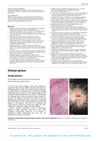
April 2002 in “The Lancet” Painful hair loss in an elderly woman was caused by giant cell arteritis, not just aging.
June 2025 in “British Journal of Dermatology” Segmented hair color changes can indicate active alopecia areata.
 January 2012 in “Yearbook of Dermatology and Dermatologic Surgery”
 The study concluded that a 'Swiss cheese' pattern in hair follicles is a useful sign for diagnosing alopecia areata.
 23 citations
,
February 2020 in “PLOS genetics”
23 citations
,
February 2020 in “PLOS genetics” Mice with LSS deficiency showed hair loss and cataracts, similar to humans, and can help in understanding and treating this condition.
1 citations
,
May 2013 in “Hair transplant forum international” Non-classical 21 hydroxylase deficiency is an underdiagnosed cause of female hair loss and polycystic ovarian syndrome.
 September 1997 in “BioMed Research International”
 Female pattern hair loss often starts in teenage years, reduces hair density, and can impact quality of life.
January 2022 in “Clinical Cases in Dermatology” A 47-year-old man was diagnosed with a specific type of hair loss and advised to use certain medications and avoid hair transplants.
36 citations
,
August 2022 in “Frontiers in Cell and Developmental Biology” Sebaceous glands age due to genetic and environmental factors, affecting sebum production and composition.
4 citations
,
May 2023 in “Plastic & Reconstructive Surgery” Adipose tissue helps skin expand by increasing blood vessels and cell growth.
13 citations
,
October 2021 in “International Journal of Molecular Sciences” The HATMSC1 cell line from fat tissue can produce helpful factors for regenerative and immune therapies.
14 citations
,
June 2005 in “PubMed” A rare ear cyst contained hair fragments.
July 2024 in “Clinical Case Reports” Recognizing rare hair loss patterns in young females can improve understanding and treatment.
 31 citations
,
October 2005 in “British Journal of Dermatology”
31 citations
,
October 2005 in “British Journal of Dermatology” Hair loss in women not always linked to increased oil production; other factors may be involved.
 December 2023 in “Journal of dermatology”
 The study concluded that key signs of Keratosis follicularis spinulosa decalvans are changes in terminal hair and vellus hair follicles, which likely start the inflammation and damage to hair follicles.
2 citations
,
January 2023 in “Dermatologic Therapy” CEFFE injections effectively and safely improve postinflammatory hyperpigmentation.
 June 2021 in “International journal of research in dermatology”
 A boy and his father with hereditary hypotrichosis simplex were treated for hair loss, but the treatment result is unknown.
 18 citations
,
August 2021 in “PLoS ONE”
18 citations
,
August 2021 in “PLoS ONE” Melanocyte progenitor cells are found in human fat tissue and can become mature melanocytes, which may help treat skin issues.
 April 2016 in “Journal of The American Academy of Dermatology”
 A woman's skin symptoms led to a diagnosis of systemic AL amyloidosis, but she died from sepsis shortly after.
October 2024 in “Journal of Cutaneous Pathology” Compound follicles in folliculitis decalvans mainly have active hair follicles.
1 citations
,
April 2023 in “Preprints.org” SEFFI is a safe and effective anti-aging treatment with few complications.
60 citations
,
July 2014 in “Autophagy” The protein FLCN is involved in cellular cleanup and is regulated by ULK1.

Thicker scalp fat may link hair loss with metabolic syndrome.
36 citations
,
July 1988 in “Archives of Dermatological Research” Pili annulati is caused by a protein metabolism disorder affecting hair structure.
 32 citations
,
February 2008 in “Journal of the American Academy of Dermatology”
32 citations
,
February 2008 in “Journal of the American Academy of Dermatology” KFSD is a genetic disorder causing hair loss and skin issues, with no effective treatment.
 1 citations
,
January 2019 in “Springer eBooks”
1 citations
,
January 2019 in “Springer eBooks” Hidradenitis Suppurativa is a chronic skin condition best treated early with surgery for better outcomes and less recurrence.
 8 citations
,
August 2014 in “Clinical and Experimental Dermatology”
8 citations
,
August 2014 in “Clinical and Experimental Dermatology” CTE and FPHL are different hair loss types with unique causes.
 39 citations
,
July 2015 in “British Journal of Dermatology”
39 citations
,
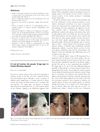
July 2015 in “British Journal of Dermatology” The pseudo 'fringe sign' can also appear in frontal fibrosing alopecia, not just in traction alopecia, showing that this condition may be more common than thought.
 13 citations
,
January 2019 in “Skin appendage disorders”
13 citations
,
January 2019 in “Skin appendage disorders” FAPD is a possible diagnosis for hair loss in patients of color and requires multiple evaluations for accurate diagnosis.
October 2017 in “Chinese Journal of Dermatology” April 2025 in “ALEXMED ePosters” Combining nanofat with FUE improves scar appearance and function better than FUE alone.