 January 1953 in “The Lancet”
 Cortisone may help hair regrow by altering the local environment, with regrowth starting 3-4 weeks after treatment, but its use is not widely recommended.
25 citations
,
January 1978 in “JAMA” Topical corticosteroids can cause serious side effects like Cushing's syndrome and hirsutism.
December 2019 in “Case Medical Research”  80 citations
,
November 1975 in “Acta dermato-venereologica”
80 citations
,
November 1975 in “Acta dermato-venereologica” Large doses of glucocorticoids are not suitable for general use in treating severe alopecia areata due to inconsistent results and risks.
 1 citations
,
April 2017 in “Journal of Investigative Dermatology”
1 citations
,
April 2017 in “Journal of Investigative Dermatology” Topical glucocorticoids thin the skin and change collagen structure.
 18 citations
,
January 2017 in “Journal der Deutschen Dermatologischen Gesellschaft”
18 citations
,
January 2017 in “Journal der Deutschen Dermatologischen Gesellschaft” High and low doses of prednisolone helped 62% of children with severe alopecia regrow hair with some weight gain and mild acne as side effects.
Measuring cortisol in hair can help assess adrenal function in asthmatic children using inhaled corticosteroids.
9 citations
,
December 1977 in “Archives of Dermatology” Systemic steroids can effectively treat alopecia areata with manageable side effects.
 July 2023 in “Media Dermato Venereologica Indonesiana”
 Corticosteroids effectively treated a 60-year-old man's skin condition.
 September 2024 in “Journal of Cosmetic Dermatology”
 Ectoin helps prevent cortisone-induced skin problems and supports skin health.
Topical corticosteroids are effective for skin conditions but can have side effects.
117 citations
,
February 1996 in “International Journal of Dermatology” A 300 mg monthly pulse of prednisolone effectively and safely treats widespread alopecia areata.
14 citations
,
January 2015 in “Annals of dermatology/Annals of Dermatology” Corticosteroid pulse therapy is more effective for severe alopecia areata than combination therapy.
 December 2025 in “Cosmoderma”
 Systemic corticosteroids help manage vitiligo by slowing progression and aiding repigmentation.
 22 citations
,
March 1963 in “Archives of dermatology”
22 citations
,
March 1963 in “Archives of dermatology” A woman regrew her hair significantly using a corticosteroid cream with a plastic cover.

The rash worsened due to a fungal infection masked by corticosteroids.
1 citations
,
January 2004 Low-dose intermittent corticosteroid therapy can effectively treat alopecia areata.
October 2025 in “Journal of the Endocrine Society” Unregulated glucocorticoid use can disrupt hormone balance and cause serious health issues.
 October 2023 in “Dermatology practical & conceptual”
 Pulse corticosteroids help regrow hair in alopecia areata but have side effects, especially betamethasone.
 October 2021 in “Dermatology practical & conceptual”
 High-dose corticosteroids can significantly regrow hair in severe alopecia areata.
41 citations
,
January 2000 in “Hormone Research in Paediatrics” Cortisone reductase deficiency can cause high androgen and cortisol levels and may be missed in women with similar symptoms.
 1 citations
,
July 2018 in “Journal of dermatology & cosmetology”
1 citations
,
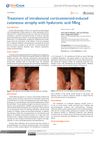
July 2018 in “Journal of dermatology & cosmetology” Hyaluronic acid successfully treated skin atrophy caused by corticosteroid injections.
87 citations
,
September 2016 in “Journal of the American Academy of Dermatology” Intralesional triamcinolone effectively reduces pain and inflammation in hidradenitis suppurativa flares.
February 2023 in “Reactions Weekly” 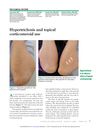 February 2022 in “Cleveland Clinic Journal of Medicine”
 Prolonged use of topical corticosteroids can cause excessive hair growth.
5 citations
,
May 2015 in “The Journal of Dermatology” Topical corticosteroids can help treat severe alopecia areata when other treatments fail.
 24 citations
,
October 2018 in “JAAD Case Reports”
24 citations
,
October 2018 in “JAAD Case Reports” A woman's eyelash regrowth was successful using tofacitinib solution for alopecia areata.
 11 citations
,
May 2000 in “International Journal of Dermatology”
11 citations
,
May 2000 in “International Journal of Dermatology” Taking a small dose of prednisone before menstruation can almost completely prevent premenstrual acne with few side effects.
 11 citations
,
May 1976 in “Archives of Dermatology”
11 citations
,
May 1976 in “Archives of Dermatology” Starving yourself can cause hair loss, but stopping the diet can improve it.
 8 citations
,
January 2018 in “Journal of the American Academy of Dermatology”
8 citations
,
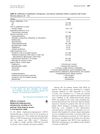
January 2018 in “Journal of the American Academy of Dermatology” Diphenylcyclopropenone treatment helps prevent hair loss relapse in alopecia areata patients.