 1 citations
,
October 2024 in “Journal of King Saud University - Science”
1 citations
,
October 2024 in “Journal of King Saud University - Science” Tridax procumbens extracts may help treat cancer due to their strong anticancer and antioxidant properties.
 1 citations
,
September 2022 in “Sudan Journal of Medical Sciences”
1 citations
,
September 2022 in “Sudan Journal of Medical Sciences” Danoprevir, remdesivir, and saridegib may effectively inhibit SARS-CoV-2.
 July 2026 in “International Journal of Aquatic Research and Environmental Studies”
 The developed microspheres effectively deliver Metformin for sustained blood sugar control and anticancer effects.
 April 2026 in “Research Square”
 Dapagliflozin helps protect heart cells under stress by improving mitochondrial function and reducing cell damage.
 March 2026 in “Inflammopharmacology”
 Ursolic acid from Ochrosia elliptica leaves may help manage PCOS symptoms.
 March 2026 in “International Journal of Science and Research (IJSR)”
 Melatonin protects skin and supports hair growth.
 March 2026 in “Frontiers in Physiology”
 Antioxidant treatments may help reduce Acute Mountain Sickness, but more research is needed.
 February 2026 in “Frontiers in Materials”
 Iron-curcumin nanoparticles help heal diabetic wounds faster by reducing inflammation and promoting tissue repair.
Plasma-activated water heals diabetic wounds better than other treatments.
 January 2026 in “Scientific Reports”
 Sesamin may help treat hair loss by affecting specific cell pathways.
 January 2026 in “The Eurasian Journal of Life Sciences”
 Pectin nanofibers show promise for medical use due to their unique properties.
 January 2026 in “Frontiers in Pharmacology”
 Sanhuang Fukang oil helps heal radiation skin injuries by reducing inflammation and cell death.
 January 2026 in “Biomaterials Science”
 The formulation helps improve wound healing and skin repair.
 December 2025 in “Nature Communications”
 Blocking IL-17a can improve age-related smell loss in mice.

Autologous platelet concentrates help heal and regenerate dental tissues.
 March 2025 in “GSC Biological and Pharmaceutical Sciences”
 Wood tar could be useful for skin care in dermatology and cosmetics.
Olive leaves extract may help treat benign prostatic hyperplasia (BPH).

Tridax procumbens may boost the immune system.
Hit15 shows promise as a COVID-19 treatment by reducing virus infection and inflammation.
 January 2024 in “GeroScience”
 Using radiation to make mice's hair turn gray helps study and find ways to prevent or reverse hair graying.
 January 2024 in “Journal of chemical health risks”
 Gold nanoparticles show promise for treating inflammatory bowel disease by reducing inflammation and colon injury.
Pomegranate is beneficial in various medical fields.
 November 2023 in “Curēus”
 Melatonin may help manage PCOS by improving insulin sensitivity, hormone balance, and mood.
 October 2023 in “International journal of research in Ayurveda and pharmacy”
 Keedari thailam is effective for treating alopecia areata and has multiple health benefits.
Female rats showed more panic-related behavior than males, influenced by hormonal cycles and certain drugs.
 February 2023 in “Asian journal of pharmaceutical research and development”
 Flavonoids in Iraqi marshland plants have potential health benefits like antioxidant and anti-inflammatory effects.
 August 2022 in “International journal of research in pharmacy and chemistry”
 Teak is a durable, termite-resistant wood with medicinal benefits.
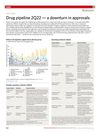 August 2022 in “Nature Biotechnology”
 Drug approvals slowed in 2Q22, but notable drugs like Amvuttra, Camzyos, and Olumiant were approved.
 January 2016 in “Research Explorer (The University of Manchester)”
 Activating the Eda/Edar pathway improves wound healing by enhancing hair follicle growth.
 December 2015 in “University of Birmingham Institutional Research Archive (University of Birmingham)”
 AKR1C3 could be a treatment target for metabolic issues in PCOS.