Search
for
Sort by
Research
300-330 / 1000+ results
research Hydrogel Lego based on rehydrated laminate assembly for standardized production and customized integration of multifunctional hydrogel sensors
New hydrogel sensors can be quickly made and customized for wearable devices.
research Efficacy and Safety of Polycaprolactone in Treating Nasolabial Folds: A Prospective, Multicenter, and Randomized Controlled Trial
Polycaprolactone gel is effective and safe for treating nasolabial folds.
research Poly (ɛ‐caprolactone)–chitosan–poly (vinyl alcohol) nanofibrous scaffolds for skin excisional and burn wounds in a canine model
The scaffolds significantly sped up wound healing in dogs and were safe.
research Natural polymers for natural hair: the smart use of an innovative nanocarrier
Natural polymers can protect, repair, and promote hair regrowth.

research Advances in medical polyesters for vascular tissue engineering
Polyesters show promise for repairing damaged blood vessels.
research Advances in polymeric nano-delivery systems targeting hair follicles for the treatment of acne
Polymer-based nanocarriers can improve acne treatment by delivering drugs through hair follicles more effectively.
research Synergistic effect of carbodiimide and dehydrothermal crosslinking on acellular dermal matrix
Combining DHT and EDC improves the strength and stability of PADM scaffolds for tissue engineering.

research pH-Responsive Hydrogel with Dual-crosslinked Network of Polyvinyl Alcohol/Boric Acid for Controlled Release of Salvianolic Acid B: Novel Pro-Regenerative Mechanisms in Scar Inhibition and Wound Healing
The hydrogel helps reduce scarring and improve wound healing by releasing salvianolic acid B in acidic conditions.
research Preparation of particles for cosmetic applications in human hair
PLA nanoparticles can effectively deliver treatments to hair follicles, showing potential for hair therapy.

research Self-aggregates of Hydrophobic Phospholipid Polymer as a Novel Material in Hair Treatment
PMS nanoparticles improve damaged hair by protecting and restoring its surface and color.
research Fabrication and biological evaluation in vivo of an injectable keratin hydrogel as filler materials
Keratin hydrogel from human hair is a promising biocompatible material for soft tissue fillers.
research Leucine-activated nanohybrid biofilm for skin regeneration via improving cell affinity and neovascularization capacity
The biofilm enhances skin healing by promoting cell growth and blood vessel formation.
research Yak Hair Fibers Surface Modification Treated by Plasma
research Stability of polylactic acid particles and release of fluorochromes upon topical application on human skin explants
PLA particles release their contents differently based on the type of fluorochrome used.
research Sustainable Biopolymer Based on Tung Oil and Tung Free Fatty Acids for Hair Tensile Enhancement
The TO-TF copolymer strengthens damaged hair effectively and sustainably.

research Drug conjugates crosslinked bioresponsive hydrogel for combination therapy of diabetic wound.
The hydrogel significantly improves healing in diabetic wounds.
research AcD : A Novel Bioactive Polymer Scaffold of Adipose‐Derived Stem Cells Combining With Decellularized Extracellular Matrix in Tissue Engineering
AcD scaffolds improve tissue repair and regeneration by combining stem cells with a supportive matrix.
research From Design to Production: Applications of Polymer and Protein Nanofibers for Regenerating Tissue
FN nanofiber dressings improve wound healing and restore natural skin structure.
research Let’s not split hairs
A new method strengthens hair without using harmful chemicals.

research Formulation, Selection, Physical Properties and Antifungal Effect Evaluation of Semi-solid Dosage Forms with Organic Acids
Cinnamic acid in hydrogels can effectively fight fungi but spreads less than in solution.
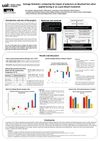
research Damage limitation: comparing the impact of polymers on bleached hair, when applied within or as post-bleach treatments
Polymers help reduce damage and improve bleached hair when used during or after bleaching.
research Polymer conjugated retinoids for controlled transdermal delivery
A new method allows for controlled, long-lasting delivery of retinoic acid through the skin with less inflammation.

research Rapid in situ formation of a double cross-linked network hydrogels for wound healing promotion
The hydrogel dressing rapidly heals wounds and promotes blood clotting better than existing options.

research Programmed nanozyme hydrogel enabling spatiotemporal modulation of wound healing achieves skin regeneration after biofilm infection
The hydrogel helps wounds heal better by reducing inflammation and promoting skin regeneration.

research Tannic acid modified keratin/sodium alginate/carboxymethyl chitosan biocomposite hydrogels with good mechanical properties and swelling behavior
The hydrogel shows promise for wound healing due to its strong mechanical, antimicrobial, and antioxidant properties.

research An Insight into Biodegradable Polymers and their Biomedical Applications for Wound Healing
Biodegradable polymers help wounds heal faster.

research MORPHOLOGICAL CHARACTERISTICS OF ACELLULAR DERMAL MATRIX MANUFACTURING
The method effectively creates acellular dermal matrix from pig skin while preserving structure.
research Mucoadhesive Polymer Hyaluronan as Biodegradable Cationic/Zwitterionic-Drug Delivery Vehicle
Hyaluronan is a good drug delivery material because it sticks to mucosal areas and its drug release can be improved by changing its properties.

research TOTAL SYNTHESIS OF THE ACTIVE INGREDIENT ACETYL TETRAPEPTIDE-3 FOR HAIR LOSS TREATMENT AND SCALP CARE
Acetyl tetrapeptide-3 was successfully made for use in hair loss treatments.