14 citations
,
December 2024 in “Pharmaceutics” Hydrogel microneedles offer a promising, minimally invasive way to treat diseases like cancer and hair loss, but need improvements in strength and standardization.
22 citations
,
June 2008 in “Experimental Dermatology” Heparanase is essential for hair follicle health and inner root sheath differentiation.
 January 2019 in “Springer eBooks”
 Modified HDL can better deliver drugs and genes, potentially improving treatments and reducing side effects.
182 citations
,
January 2000 in “Drug Development Research” Ethosomal carriers improve drug delivery through the skin better than traditional methods.
 7 citations
,
February 2014 in “Talanta”
7 citations
,
February 2014 in “Talanta” Researchers developed a method to identify and analyze cyclosporin compounds and their structures effectively.
3 citations
,
September 2024 in “Journal of Microbiology and Biotechnology” Human placenta extract reduces inflammation and symptoms in atopic dermatitis.
20 citations
,
November 2012 in “Methods in molecular biology” Superhydrophobic surfaces can prevent fouling and enable self-cleaning in microfluidic devices.
 33 citations
,
January 2022 in “Scientific Reports”
33 citations
,
January 2022 in “Scientific Reports” The method improved CoQ10's stability and effectiveness for anti-ageing skincare.
6 citations
,
October 2024 in “Frontiers in Bioengineering and Biotechnology” A special hydrogel helps stem cells heal wounds better by boosting growth factors.
 October 2025 in “Advanced Materials”
 New lipid/fiber microplexes improve mRNA therapy for degenerative diseases by enhancing cell function and treatment effectiveness.
 32 citations
,
December 2003 in “Planta”
32 citations
,
December 2003 in “Planta” Hypaphorine from a fungus changes the internal structure of Eucalyptus root hairs, stopping their growth.
April 2026 in “SSRN Electronic Journal”  April 2018 in “Journal of Investigative Dermatology”
 Glycogen metabolism is important for energy and processes in human hair follicles, and hair follicles may produce glucose from lactate.
 10 citations
,
May 2016 in “Polymer”
10 citations
,
May 2016 in “Polymer” New nanocarriers improve skin drug delivery with low toxicity at certain concentrations.
April 2025 in “OPAL (Open@LaTrobe) (La Trobe University)” Hyaluronic acid microneedles with herbal extracts may effectively promote hair growth for treating hair loss.
 April 2023 in “Egyptian journal of Immunology”
 10% hPL is best for growing mesenchymal stem cells, while 10% FBS is best for hepatocytes.
 May 2026 in “Organoid Research”
 Hydrogel-based methods improve skin organoid development for medical and research applications.
July 2025 in “Colloids and Surfaces B Biointerfaces” A new method using hyaluronic acid liposomes improves Minoxidil's effectiveness and safety for hair growth treatment.
July 2025 in “OPAL (Open@LaTrobe) (La Trobe University)” Ultrasound and GelMA hydrogel with stem cell vesicles improve skin healing and regeneration.
 March 2026 in “Molecular and Cellular Biomedical Sciences”
 EH-MSCs may help treat hair loss by reducing inflammation.
 2 citations
,
December 2025 in “Nature Communications”
2 citations
,
December 2025 in “Nature Communications” H2AK119ub helps keep hair follicle stem cells in a resting state, preventing early aging.
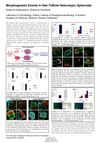
Researchers developed a method to create artificial hair follicles that may help with hair loss treatment and research.
 December 2024 in “International Journal of Molecular Sciences”
 Human umbilical cord stem cell vesicles may help treat aging and related diseases.
108 citations
,
October 2003 in “Journal of biological chemistry/The Journal of biological chemistry” Trichohyalin makes hair follicles stronger.
12 citations
,
October 2015 in “Journal of bioactive and compatible polymers” Keratin hydrogel from human hair is a promising biocompatible material for soft tissue fillers.
6 citations
,
June 2024 in “Gels” 5% hydroxyapatite in scaffolds improves bone tissue formation and mechanical properties.

SH-SY5Y cell lysate is effective for diagnosing Satoyoshi syndrome.
The protein's size was reduced, but more work is needed to confirm its function.
65 citations
,
October 2015 in “Acta Biomaterialia” The nano-carrier makes etoposide safer and more effective against lung cancer.
July 2026 in “Dermatology Reports” The gel reduced folliculitis symptoms and was safe and well-received.