 21 citations
,
November 1981 in “Archives of Dermatology”
21 citations
,
November 1981 in “Archives of Dermatology” Ashy dermatosis may be linked to atopy and thyroid disease and can be treated with topical steroids.
 1 citations
,
January 2021
1 citations
,
January 2021 CD4+ skin cells may be precursors to basal cell carcinoma.
8 citations
,
January 2006 in “Dermatology Online Journal” The girl's skin condition is benign but challenging to treat due to its size and location.
20 citations
,
April 2019 in “BioMed Research International” Treatments with sunscreen and active ingredients can reduce skin hyperpigmentation by decreasing DNA methylation.
 146 citations
,
January 2004 in “Hormones”
146 citations
,
January 2004 in “Hormones” Human skin acts like a hormone-producing organ, making and managing various hormones important for skin and hair health.
 21 citations
,
March 2015 in “Journal of The American Academy of Dermatology”
21 citations
,
March 2015 in “Journal of The American Academy of Dermatology” Vemurafenib therapy can cause hair loss, but clobetasol propionate foam can help regrow hair.
56 citations
,
October 2010 in “Pediatric Clinics of North America” Epidermal nevi are skin cell clusters linked to various syndromes.

A 12-year-old girl was misdiagnosed with alopecia areata but actually had a nevus sebaceus with a genetic mutation.
414 citations
,
August 2005 in “Nature” Activating TERT in mice skin boosts hair growth by waking up hair follicle stem cells.
14 citations
,
May 2022 in “Cell Reports” Basal cell carcinomas need extra mutations to grow from small to large tumors.
23 citations
,
May 2017 in “Journal of the American Academy of Dermatology” FFA patients have fewer melanocytes and thinner skin compared to others.
 6 citations
,
December 2011 in “Nature”
6 citations
,
December 2011 in “Nature” The circadian clock in skin cells controls their growth and rest cycles.
 September 2017 in “Journal of Investigative Dermatology”
 Hair follicle cells change their DNA packaging during growth cycles and when grown in the lab.
31 citations
,
November 1965 in “Journal of Mammalogy” The pituitary gland is crucial for normal mink fur cycles.
 April 2016 in “Journal of Investigative Dermatology”
 Mefloquine, an antimalarial drug, is effective in killing melanoma cells resistant to other treatments by causing lethal stress in the cells.
January 2025 in “Indian Dermatology Online Journal” Hydroxychloroquine may cause nail discoloration in lupus patients.
315 citations
,
June 2001 in “Nature Genetics” 142 citations
,
September 2015 in “PubMed” Keloid scars are aggressive, excessive skin scars with unique features and complex diagnosis.
 34 citations
,
July 2011 in “Journal of the European Academy of Dermatology and Venereology”
34 citations
,
July 2011 in “Journal of the European Academy of Dermatology and Venereology” The study concluded that scalp tumors show different patterns based on age, gender, and tumor thickness, and emphasized the importance of early detection and scalp examinations.
 September 2016 in “Journal of Dermatological Science”
 A gene mutation worsens skin irritation in mice due to a lack of certain fats.
25 citations
,
May 1995 in “Journal of the American Academy of Dermatology” Erythromelanosis follicularis faciei can also affect women, though it's rare.
29 citations
,
August 1999 in “Journal of Investigative Dermatology” New mutations in hair keratin genes cause the rare hair disorder monilethrix.
June 1999 in “Connective tissue” 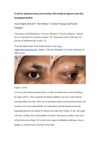 1 citations
,
March 2024 in “Ophthalmic Plastic and Reconstructive Surgery”
1 citations
,
March 2024 in “Ophthalmic Plastic and Reconstructive Surgery” A pilomatrixoma in the eyebrow can cause hair loss and skin lightening.
12 citations
,
September 2020 in “Nanomaterials” The new drug delivery system improves vitiligo treatment by enhancing melanocyte activity and viability.
September 2023 in “Journal of the American Academy of Dermatology”  10 citations
,
January 2016 in “Dermatology”
10 citations
,
January 2016 in “Dermatology” People with myotonic dystrophy type 1 tend to develop basal cell carcinoma at a younger age but not more frequently than others.
 305 citations
,
June 2012 in “Nature”
305 citations
,
June 2012 in “Nature” Hair regeneration needs dynamic cell behavior and mesenchyme presence for stem cell activation.
 January 2022 in “International Journal of Nutrology”
 Diet and nutrients, including lycopene from tomatoes and hydroquinone from wheat, can help control melasma, a skin condition.
January 2025 in “Dermatology Research and Practice” Higher activity in lichen planopilaris is linked to certain immune and tissue genes.