 June 2026 in “International Journal of Homoeopathic Sciences”
 Personalized homeopathic treatment improved chronic facial melasma and skin texture.
January 2005 in “Enlighten: Publications (The University of Glasgow)” Melanocyte pathology requires keratinocyte hyperplasia and regulation dysfunction.
77 citations
,
August 1986 in “Archives of Dermatology” Vitamin B12 deficiency can cause skin and hair color changes, which are reversible with treatment.
July 2023 in “International journal of physiology” Hypertrichosis lanuginosa causes excessive fine hair growth, often linked to genetics or cancer, with limited treatment options.
September 1997 in “Clinical and Experimental Dermatology” 5 citations
,
July 2009 in “Clinical and experimental dermatology” 11 citations
,
March 2004 in “Journal of Comparative Pathology” Norfolk Terriers have a genetic skin defect causing scaling and blisters due to a keratin issue.
7 citations
,
March 1990 in “Pigment Cell Research” Certain chemicals cause hair graying in black mice but not yellow mice.
1 citations
,
June 2011 in “InTech eBooks” Darker skin provides more protection against UV damage and cancer.
7 citations
,
May 1988 in “International Journal of Dermatology” The patient's hair has unique structural differences with alternating bright and dark bands.
January 2016 in “UNESP Institutional Repository (São Paulo State University)” Melasma results from changes in the skin's pigment and structure, not just pigment cell growth.
1 citations
,
April 2015 in “Neurology” Skin pigmentation increases in CRPS-affected areas and improves with symptom relief.
5 citations
,
March 1981 in “PubMed” A girl grew extra hair in areas where she had insect bites.
 April 2023 in “The journal of investigative dermatology/Journal of investigative dermatology”
 Melanocytes are cells that make skin and hair color and help protect skin from sun damage.
47 citations
,
July 1998 in “Journal of Investigative Dermatology” A new mutation, Glu402Lys, in hair keratin is linked to variable symptoms of monilethrix.
 210 citations
,
July 1993 in “The journal of investigative dermatology/Journal of investigative dermatology”
210 citations
,
July 1993 in “The journal of investigative dermatology/Journal of investigative dermatology” Hair color production in mice is closely linked to the hair growth phase and may also influence hair growth itself.
56 citations
,
December 1978 in “The Journal of Dermatologic Surgery and Oncology” Transplanting small skin grafts can successfully repigment leukoderma.
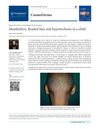 January 2026 in “Cosmoderma”
 A 9-year-old girl has a rare hair disorder causing beaded, sparse hair.
2 citations
,
August 2025 in “Reports — Medical Cases Images and Videos” A rare pigmented skin tumor called melanotrichoblastoma was diagnosed in a 51-year-old woman.
175 citations
,
August 1997 in “Nature Genetics” 1 citations
,
January 2017 in “International Journal of Trichology” A new mutation caused a rare hair disorder in a Polish girl, not inherited from her family.
September 2024 in “The Journal of Dermatology” Nevus comedonicus can sometimes grow terminal hair, challenging previous beliefs.
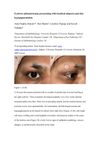 1 citations
,
March 2024 in “Ophthalmic Plastic and Reconstructive Surgery”
1 citations
,
March 2024 in “Ophthalmic Plastic and Reconstructive Surgery” A pilomatrixoma in the eyebrow can cause hair loss and skin lightening.
 July 2025 in “Dermatology Practical & Conceptual”
 Topical eyedrops may cause eyelash whitening and skin lightening around the eyes.

PmtHEE is a better model for studying pigmented skin because it includes melanocytes and shows improved cell differentiation.
 June 2026 in “Dermatology and Therapy”
 Combining multiple ingredients is the most effective treatment for hyperpigmentation.
1 citations
,
December 2024 in “Case Reports in Dermatology” Cyclophosphamide likely causes skin darkening by affecting hair follicles.
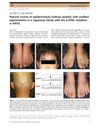 3 citations
,
January 2019 in “Journal of Dermatology”
3 citations
,
January 2019 in “Journal of Dermatology” The p.P25L mutation in the KRT5 gene causes a rare skin condition that worsens over time and may lead to hair loss starting in young adulthood.
 74 citations
,
January 2006 in “The journal of investigative dermatology/Journal of investigative dermatology”
74 citations
,
January 2006 in “The journal of investigative dermatology/Journal of investigative dermatology” Mutations in the DSG4 gene can cause a rare hair disorder similar to monilethrix.
 3 citations
,
May 2022 in “The journal of investigative dermatology/Journal of investigative dermatology”
3 citations
,
May 2022 in “The journal of investigative dermatology/Journal of investigative dermatology” Skin lesions in Carney Complex are caused by a gene change in some skin cells that leads to increased pigmentation and may lead to tumors.