 1 citations
,
January 2006 in “Elsevier eBooks”
1 citations
,
January 2006 in “Elsevier eBooks” The conclusion is that different types of hair loss in dogs and cats can be cosmetic or serious, and affected animals should not be bred.
 June 2026 in “Frontiers in Immunology”
 Upadacitinib effectively treated severe atopic dermatitis, vitiligo, and alopecia areata in one patient.
 September 2016 in “Elsevier eBooks”
 Different types of hair loss in dogs and cats have various causes and treatments, with outcomes ranging from good to uncertain.
 January 2011 in “Elsevier eBooks”
 Alopecia in animals can be hereditary, congenital, or acquired, with treatments and outcomes varying widely.
 197 citations
,
June 2009 in “American journal of human genetics”
197 citations
,
June 2009 in “American journal of human genetics” WNT10A mutations often cause ectodermal dysplasias, with males showing more tooth issues than females.
 84 citations
,
April 2005 in “Dermatologic Clinics”
84 citations
,
April 2005 in “Dermatologic Clinics” Treatments for melanin disorders exist, but more effective options needed.
 5 citations
,
June 2015 in “Veterinary dermatology”
5 citations
,
June 2015 in “Veterinary dermatology” A dog with complete hair loss regrew most hair after treatment, with no relapse after stopping treatment.
 4 citations
,
January 2014 in “Indian dermatology online journal”
4 citations
,
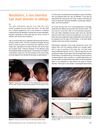
January 2014 in “Indian dermatology online journal” Monilethrix is a genetic hair disorder causing fragile, beaded hair with no effective treatment.
 1 citations
,
January 2013 in “Elsevier eBooks”
1 citations
,
January 2013 in “Elsevier eBooks” The document reviews various hair and nail disorders, their causes, and treatments, emphasizing the need for proper diagnosis and the link between nail changes and systemic diseases.

Human placental extract effectively and safely improves melasma, ulcers, and alopecia areata.

Acne keloidalis nuchae causes scarring on the scalp, mainly in African American males, and early treatment is important to prevent lasting damage.

A rare case of a woman having both lichen planus pigmentosus and classic lichen planopilaris at the same time.
 February 2009 in “Springer eBooks”
 Hyperpigmentation is common in pregnancy and may not fully fade after birth; melasma, also frequent, can persist but has limited treatment options during pregnancy.

The document concludes that Syndromes of Severe Insulin Resistance are rare disorders with limited treatment options.
 January 2024 in “Dermatology Review”
 Combining PRP with hydroquinone is more effective for treating melasma than using hydroquinone alone.
 September 2014 in “Springer eBooks”
 Aging causes hair to gray and thin, with the timing of graying varying by race, and factors like oxidative stress and genetics can lead to hair loss.
 6 citations
,
January 2018 in “Annals of dermatology/Annals of Dermatology”
6 citations
,
January 2018 in “Annals of dermatology/Annals of Dermatology” Hyaluronic acid filler can safely and effectively improve facial contour in Parry-Romberg Syndrome.
 3 citations
,
January 2012 in “Elsevier eBooks”
3 citations
,
January 2012 in “Elsevier eBooks” Burn scars form abnormally due to changes in wound healing, and more research is needed to improve treatments.
 96 citations
,
January 2013 in “International Journal of Trichology”
96 citations
,
January 2013 in “International Journal of Trichology” Trichoscopy is a useful, non-invasive way to diagnose different types of hair loss.
 46 citations
,
June 2018 in “American Journal of Clinical Dermatology”
46 citations
,
June 2018 in “American Journal of Clinical Dermatology” Hair loss is common in lupus patients and can be permanent or reversible, depending on the type, with various treatments available.
 43 citations
,
August 2013 in “Pediatric Dermatology”
43 citations
,
August 2013 in “Pediatric Dermatology” Trichoscopy is good for diagnosing and monitoring hair and scalp problems in children but needs more research for certain conditions.
 10 citations
,
January 2012 in “Lupus”
10 citations
,
January 2012 in “Lupus” NEMO syndrome and systemic lupus erythematosus are linked in a new disease association.
3 citations
,
September 2019 in “European Medical Journal” Scalp sarcoidosis can cause hair loss and needs accurate diagnosis and treatment with specific medications.
 1 citations
,
December 2018 in “Journal of Pakistan Association of Dermatology”
1 citations
,
December 2018 in “Journal of Pakistan Association of Dermatology” Dermoscopy is useful for diagnosing different types of hair loss.
 July 2013 in “British Journal of Dermatology”
 The document reviews key historical figures and discoveries in dermatology.
 23 citations
,
October 2018 in “Australasian Journal of Dermatology”
23 citations
,
October 2018 in “Australasian Journal of Dermatology” The current understanding of frontal fibrosing alopecia involves immune, genetic, hormonal factors, and possibly environmental triggers, but more research is needed for effective treatments.
 2 citations
,
June 2019 in “Facial Plastic Surgery”
2 citations
,
June 2019 in “Facial Plastic Surgery” Medical tattooing improves appearance and quality of life, but has potential risks.
 391 citations
,
January 2010 in “Journal of The American Academy of Dermatology”
391 citations
,
January 2010 in “Journal of The American Academy of Dermatology” Half of people with Alopecia Areata may see hair regrowth within a year without treatment, but recovery is unpredictable.
 39 citations
,
July 2008 in “Dermatologic Therapy”
39 citations
,
July 2008 in “Dermatologic Therapy” Pseudopelade of Brocq is a unique hair loss condition, but its cause and development are still not fully understood.
 18 citations
,
October 2012 in “Dermatologic Clinics”
18 citations
,
October 2012 in “Dermatologic Clinics” Early diagnosis and aggressive treatment are key for managing rare scalp disorders that cause permanent hair loss.