
Eclipta alba can be used in products to treat hair loss.
 January 2016 in “Elsevier eBooks”
 Trichoscopy is a key method for dermatologists to quickly and effectively diagnose hair and scalp conditions.
 January 2009 in “Side effects of drugs annual”
 Some blood-thinning medications can increase the risk of bleeding, and certain factors like genetics and other health conditions affect their safety and effectiveness.

CRPS I is complex, linked to immune and nerve issues, and needs comprehensive treatment.
 May 2002 in “British Journal of Dermatology”
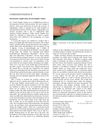
 A pregnant woman's skin condition improved after giving birth, possibly due to high estrogen levels during pregnancy.
 May 2002 in “British Journal of Dermatology”
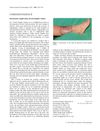
 Hair loss caused by longer latent hair cycle and sudden miniaturization, not gradual follicle size reduction.
6 citations
,
January 1997 in “Medical Mycology” The fungus Piedraia hortae damages hair by slowly breaking down its layers, leading to long-lasting infection.
30 citations
,
April 2009 in “Mycoses” Microsporum gypseum fungus breaks down keratin in hair by digesting it enzymatically, starting with less keratinized parts.
2 citations
,
January 2002 in “PubMed” Proper identification of dermatophytes is crucial for diagnosing and treating infections like athlete's foot and ringworm.
3 citations
,
January 2016 Certain beneficial microbes can fight fungi and help plants get nutrients.
Thicker hair resists fungal damage better, and hair color doesn't affect susceptibility.
1 citations
,
January 1987 in “PubMed” Candida was found in most heroin users with folliculitis.
6 citations
,
October 1998 in “PubMed” Antifungal treatment can improve severe skin infections with cutaneous horns.
Fungal infections like ringworm affect skin, hair, and nails in humans and animals, requiring culture for diagnosis and specific treatments.
 November 2025 in “Zenodo (CERN European Organization for Nuclear Research)”
 Dermatophytosis is a common cat fungal infection, usually mild but can be severe in weak or young animals.
27 citations
,
July 1993 in “The journal of investigative dermatology/Journal of investigative dermatology” 3 citations
,
July 2024 in “Dermatology and Therapy” Hair shaft abnormalities can help distinguish mycosis fungoides from other skin conditions.
8 citations
,
October 2010 in “Advances in plant biology”  September 2024 in “BMJ Case Reports”
 An adult had a rare scalp infection in the forehead area, treated successfully with itraconazole.
23 citations
,
January 2016 in “Clinical & Biomedical Research” Dermatophytoses are common fungal infections treated with antifungal medications, but resistance is a concern.
4 citations
,
October 2001 in “Mycoses” A young cat had a rare fungal infection caused by Microsporum gypseum.
1 citations
,
June 2024 in “Access Microbiology” Some moulds can cause skin issues and produce enzymes that may increase their harmfulness.
Root hairs help us understand plant growth and the role of the actin cytoskeleton.
 November 2025 in “Zenodo (CERN European Organization for Nuclear Research)”
 Dermatophytosis in cats is a common fungal infection that usually resolves itself but can be severe in vulnerable animals.
 September 2017 in “Journal of Investigative Dermatology”
 The research concluded that hyaluronic acid affects the formation and growth of hair follicle-like structures in a lab setting.
3 citations
,
November 1998 in “Pediatrics in review” For hair fungal infections, take oral antifungals; for skin and nail infections, use topical antifungals, and keep affected areas cool and dry.
27 citations
,
April 2012 in “Pediatrics in review” Common skin fungal infections can suggest a weak immune system, and for scalp infections, pills work better than creams, with several drug options available.
 34 citations
,
August 1966 in “Experimental cell research”
34 citations
,
August 1966 in “Experimental cell research” Keratin fibrils in hair form and stop growing at specific points in the follicle.
 November 2023 in “Journal of Basic Microbiology”
 Green-synthesized zinc oxide nanoparticles effectively inhibit common fungi found on human scalp hair.
8 citations
,
July 2004 in “Journal of morphology” Marsupial hair structure and keratin distribution are similar to placental mammals.