 October 2012 in “Semina. Ciências Agrárias”
 A Shi Tzu dog with high cortisol levels improved after increasing the dose of trilostane.
 80 citations
,
November 1975 in “Acta dermato-venereologica”
80 citations
,
November 1975 in “Acta dermato-venereologica” Large doses of glucocorticoids are not suitable for general use in treating severe alopecia areata due to inconsistent results and risks.
 1 citations
,
December 2020 in “Dermatology Archives”
1 citations
,
December 2020 in “Dermatology Archives” Systemic steroids temporarily improve severe alopecia areata in children but often lead to relapse.
 23 citations
,
October 2005 in “Journal of The American Academy of Dermatology”
23 citations
,
October 2005 in “Journal of The American Academy of Dermatology” Two transplant patients on cyclosporine unexpectedly developed hair loss.
 5 citations
,
March 2013 in “International journal of surgical pathology”
5 citations
,
March 2013 in “International journal of surgical pathology” Cronkhite-Canada syndrome can be diagnosed without gastrointestinal polyps if there is severe mucosal atrophy and edema.
7 citations
,
July 2021 in “JAAD case reports” Dupilumab may help treat alopecia areata in children with atopic dermatitis, but it can also cause new hair loss.
1 citations
,
April 2018 in “Journal of Investigative Dermatology” Simvastatin helps hair regrowth in autoimmune alopecia by directly affecting T cells.
 1 citations
,
August 2011 in “Dermatology Reports”
1 citations
,
August 2011 in “Dermatology Reports” Two siblings were found to have a genetic condition causing progressive hair loss and woolly hair, which may often be misdiagnosed.
 5 citations
,
June 2015 in “British Journal of Dermatology”
5 citations
,
June 2015 in “British Journal of Dermatology” A certain medication improved severe itching in a boy with liver and bowel disease by reducing histamine levels, suggesting a new treatment target.
 151 citations
,
February 2007 in “International Journal of Dermatology”
151 citations
,
February 2007 in “International Journal of Dermatology” Alopecia areata causes hair loss, has no cure, and various treatments exist.
Tianqi trichogen boosts hair growth in animals without causing allergies.
September 2008 in “Pediatric Rheumatology” Two children with lysinuric protein intolerance showed symptoms similar to lupus.
August 2004 in “Veterinary Dermatology” Adult-onset hair loss in Chesapeake Bay retrievers may be linked to abnormal adrenal hormone production.
 January 2019 in “Przegląd Dermatologiczny”
 An 87-year-old woman was diagnosed with type 3 autoimmune polyendocrine syndrome and had multiple autoimmune issues.
40 citations
,
March 2003 in “The journal of small animal practice/Journal of small animal practice” Trilostane helped a dog with an adrenal tumor feel better and stay healthy.
 January 2024 in “International Journal of Homoeopathic Sciences”
 Individualized homeopathic treatment can effectively treat alopecia areata.
3 citations
,
September 2024 in “JAAD reviews.” Topical corticosteroids are recommended first for treating pediatric alopecia areata due to their safety and ease of use.
 January 2026 in “International Journal of Applied Research”
 Homeopathy might help manage autoimmune diseases.
 25 citations
,
August 2014 in “Endocrinology”
25 citations
,
August 2014 in “Endocrinology” Researchers created a mouse model of a type of rickets that does not cause hair loss.
March 2026 in “Skin Appendage Disorders” Children's hair care needs gentle products and better regulations due to unique hair and scalp differences.
March 2019 in “eCommons (Cornell University)” The pony's skin condition improved significantly with prednisolone treatment.
 January 2021 in “Acta Scientiae Veterinariae”
 Levothyroxine effectively treated a dog's skin and hair problems caused by hypothyroidism.
7 citations
,
January 1991 in “Comparative biochemistry and physiology. A. Comparative physiology” A diet high in vitamin E improved blood health, skin, and fur in common marmosets.
48 citations
,
April 2021 in “Journal of the American Academy of Dermatology” Topical corticosteroids are the best initial treatment for children's alopecia areata.
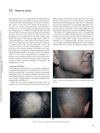 April 2012 in “Informa Healthcare eBooks”
 Alopecia areata is a common autoimmune condition causing varying hair loss, diagnosed by specific patterns of inflammation around hair follicles, with several treatment options available.
February 2026 in “Boletín Médico del Hospital Infantil de México” Children with alopecia areata often have related health issues like allergies, autoimmune diseases, or mental health conditions.
 37 citations
,
December 2019 in “Giornale italiano di dermatologia e venereologia”
37 citations
,
December 2019 in “Giornale italiano di dermatologia e venereologia” The Italian guidelines offer advice for diagnosing and treating alopecia areata based on expert opinion and limited clinical trial evidence.
January 2014 in “Dongwu yingyang xuebao” A dietary vitamin A level of 10,000 IU/kg is best for growing Rex rabbits.
 49 citations
,
January 2010 in “International Journal of Pediatric Endocrinology”
49 citations
,
January 2010 in “International Journal of Pediatric Endocrinology” The document concludes that Nonclassic Congenital Adrenal Hyperplasia requires personalized treatment plans to manage symptoms and fertility, with glucocorticoids being a common therapy.
3 citations
,
April 2024 in “JAAD Case Reports” DPCP may be safe for treating alopecia during pregnancy, but more research is needed.