 1 citations
,
July 2018 in “Elsevier eBooks”
1 citations
,
July 2018 in “Elsevier eBooks” Avoid chemical and physical damage to protect hair.
2 citations
,
May 2024 in “International Journal of Medical Arts” Diphenylcyclopropenone (DPCP) is more effective than anthralin for treating resistant alopecia areata.
2 citations
,
July 2013 in “Fashion business” Keratin essence protects and improves damaged hair.
12 citations
,
July 1964 in “Archives of Dermatology” Selenium sulfide shampoo doesn't affect hair growth or rest phases.
4 citations
,
December 1989 in “The Journal of Dermatology” Human hair proteins have similar cysteine and glycine levels to skin proteins.
 March 2024 in “Journal of integral sciences”
 Rosemary oil may promote hair growth and is a natural alternative to minoxidil.
7 citations
,
February 2012 in “British Journal of Dermatology” TH antibodies in vitiligo and AA patients recognize the same protein parts.
2 citations
,
March 2024 in “Journal of Cosmetic Dermatology” White hair from alopecia areata can turn pigmented after treatment.
 May 2026 in “Zenodo (CERN European Organization for Nuclear Research)”
 The polyherbal hair growth serum is a safe, effective, and easy-to-use natural alternative to synthetic hair products.
 January 2024 in “International Journal of Homoeopathic Sciences”
 Individualized homeopathic treatment can effectively treat alopecia areata.
 2 citations
,
August 2018 in “Korean Journal of Plant Resources”
2 citations
,
August 2018 in “Korean Journal of Plant Resources” Oregonin from Alnus japonica may help prevent hair loss and promote hair growth.
 April 2026 in “Zenodo (CERN European Organization for Nuclear Research)”
 Herbal hair masks using Amla, Neem, Shikakai, Bhringaraj, Hibiscus, and Ginger can effectively treat dandruff and promote hair health.
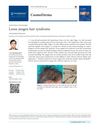 February 2023 in “Cosmoderma”
 Loose anagen hair syndrome causes easily shed hair but usually improves with time.
 January 2021 in “Biomedical Research-tokyo”
 Reticulocyte hemoglobin content is the best indicator of iron deficiency causing hair loss in women.
January 2007 in “Pizhūhish va sāzandigī” Hairless guinea pigs are useful for research in allergies, skin tests, and diseases.
January 2025 in “African Journal of Biomedical Research” Homeopathy may help treat Alopecia Areata by focusing on the whole person.
 1 citations
,
November 2011 in “Dermatologica Sinica”
1 citations
,
November 2011 in “Dermatologica Sinica” Women using hair relaxers with alopecia had lower zinc levels, suggesting zinc deficiency might contribute to hair loss.
July 2022 in “Zenodo (CERN European Organization for Nuclear Research)” Nutrient-rich shampoos can help revitalize hair and potentially reverse thinning.
 April 2023 in “Tikrit journal of pharmaceutical sciences”
 Ginger extract helps hair growth and reduces the need for prednisolone in alopecia areata patients.
 2 citations
,
November 2018 in “International Journal of Cosmetic Science”
2 citations
,
November 2018 in “International Journal of Cosmetic Science” Chamomile extract can protect hair from damage caused by light.
21 citations
,
December 2001 in “Endocrinology” Expressing the human vitamin D receptor in skin cells prevents hair loss in certain mice.
 November 2024 in “Research Journal of Pharmacognosy and Phytochemistry”
 Herbal shampoos are safer and effective for hair care compared to chemical shampoos.
 May 2019 in “International journal of advanced chemistry”
 The green cream safely slowed hair growth by 25%.
January 2018 in “Refubium (Universitätsbibliothek der Freien Universität Berlin)” Chemotherapy causes temporary hair loss in women, while Tamoxifen does not significantly affect hair, and genetics show no link between female pattern hair loss and common baldness genes.
 September 2024 in “Journal of the American Academy of Dermatology”
 Regulatory γδ T cells help protect hair follicles from alopecia areata and promote hair regrowth.
 December 1990 in “PubMed”
 Some drugs can cause hair loss, increase hair growth, or change hair color, but stopping the drug usually reverses these effects.
 July 2021 in “Clinical case reports and studies”
 Topical diphencyprone effectively treated a 9-year-old boy's alopecia areata with fewer side effects.
 5 citations
,
June 2013 in “Fashion business”
5 citations
,
June 2013 in “Fashion business” Rosehip extract improves hair wave, thickness, and color vibrancy.
February 2026 in “Clinical Cancer Research” The combined treatment helped prevent hair loss and promoted full hair regrowth in breast cancer patients after chemotherapy.
1 citations
,
May 2022 in “International Journal of Trichology” Hair camouflage techniques can help manage hair loss and boost confidence.