 31 citations
,
January 1995 in “The American journal of medicine”
31 citations
,
January 1995 in “The American journal of medicine” Testosterone and dihydrotestosterone play a role in women's health issues like excess hair and baldness, and treatments blocking these hormones may help.
 23 citations
,
January 2016 in “Journal of Nanjing Medical University”
23 citations
,
January 2016 in “Journal of Nanjing Medical University” Overweight women with PCOS are more likely to have excess male hormones.
23 citations
,
June 1997 in “Baillière's clinical obstetrics and gynaecology” Most women with too much androgens have PCOS, which can be managed with birth control pills, medication for hair growth, and fertility treatments, and losing weight helps too.
 19 citations
,
August 2016 in “Health and Quality of Life Outcomes”
19 citations
,
August 2016 in “Health and Quality of Life Outcomes” Metformin helped improve the quality of life for Chinese women with PCOS, especially in physical health and symptoms like infertility, acne, and hair loss.
15 citations
,
May 2021 in “Climacteric” Postmenopausal hyperandrogenism involves excess male hormones causing symptoms like hair growth and acne, and requires ruling out tumors and other disorders.
10 citations
,
July 2022 in “Journal of the Turkish-German Gynecological Association” Vitamins B3, B6, C, and iron intake affect hormone levels in women with certain types of PCOS.
7 citations
,
September 2024 in “International Journal of Molecular Sciences” PCOS involves high 11-oxygenated androgens and BPA may worsen it, while IH is not inflammatory.
 6 citations
,
November 1980 in “Clinical Endocrinology”
6 citations
,
November 1980 in “Clinical Endocrinology” Measuring plasma testosterone glucosiduronate is a reliable way to detect high male hormone levels in women.
 3 citations
,
May 1990 in “Journal of Steroid Biochemistry”
3 citations
,
May 1990 in “Journal of Steroid Biochemistry” Some women with excess hair growth have a hormone condition that can't be diagnosed by blood or urine tests alone.
 1 citations
,
May 2021 in “International Journal Of Medical Science And Clinical Invention”
1 citations
,
May 2021 in “International Journal Of Medical Science And Clinical Invention” Women with PCOS may have a higher risk of severe COVID-19 due to hormonal imbalances and vitamin D deficiency.
 October 2023 in “The Journal of clinical endocrinology and metabolism/Journal of clinical endocrinology & metabolism”
 Hyperandrogenism increases heart disease risk in premenopausal women, but this risk is linked to obesity in postmenopausal women.
 October 2023 in “IntechOpen eBooks”
 Genes and epigenetic changes are important in the development of Polycystic Ovary Syndrome.
June 2020 in “AACE clinical case reports” A woman's severe male hormone excess was caused by a small, hard-to-find ovarian tumor.

The document concludes that hair loss in women can be treated with topical treatments or hormone therapy depending on the cause.
 June 2003 in “Obstetrical & Gynecological Survey”
 After chemotherapy for a gestational trophoblastic tumor, normal pregnancy rates are possible, but there's a slightly higher risk of the tumor reoccurring in future pregnancies.
July 1998 in “Annals of saudi medicine/Annals of Saudi medicine” A misdiagnosed case of HAIR-AN syndrome led to unnecessary surgeries and highlighted the importance of correct diagnosis and treatment.
 August 1996 in “Journal of Pediatric and Adolescent Gynecology”
 The document concludes that PCOS in adolescents is complex and requires comprehensive care to manage its symptoms and associated health risks.
 1540 citations
,
October 2008 in “Fertility and Sterility”
1540 citations
,
October 2008 in “Fertility and Sterility” The report concludes that PCOS is mainly a condition of excess male hormones and its definition may change as new information is discovered.
 24 citations
,
September 2001 in “Journal of The American Academy of Dermatology”
24 citations
,
September 2001 in “Journal of The American Academy of Dermatology” Women's ovarian hormones and adrenal androgens change throughout life, affecting hair loss and health.
 14 citations
,
September 2015 in “Expert Opinion on Therapeutic Targets”
14 citations
,
September 2015 in “Expert Opinion on Therapeutic Targets” The conclusion is that while oral contraceptive pills are effective for PCOS-related high androgen levels, new treatments with fewer side effects are needed.
 May 2023 in “Frontiers in Endocrinology”
 Blocking CRF1 receptors improved male hormone levels and reduced testicular tumor size in men with a specific adrenal condition.
11 citations
,
January 2000 in “Der Hautarzt” Male hypogonadism affects skin and hair, causing thin skin, less hair, and skin reactions to treatment.
January 2026 in “Elsevier eBooks” 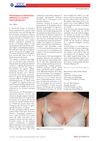 1 citations
,
August 2012 in “Journal der Deutschen Dermatologischen Gesellschaft”
1 citations
,
August 2012 in “Journal der Deutschen Dermatologischen Gesellschaft” A woman's hyperandrogenism was caused by a genetic mutation leading to non-classic adrenogenital syndrome.
3 citations
,
November 2013 in “PubMed”  October 2020 in “Medicine - Programa De Formación Médica Continuada Acreditado”
 Female hyperandrogenism is a condition caused by too much male hormones, leading to skin issues and ovulation problems, often due to Polycystic Ovary Syndrome, and is treated based on individual symptoms.
 November 1993 in “PubMed”
 High levels of androgens can cause skin issues like acne, hair loss, and excessive hair growth.
 14 citations
,
January 2018 in “Advances in Clinical Chemistry”
14 citations
,
January 2018 in “Advances in Clinical Chemistry” The document concludes that hormonal biomarkers are key for diagnosing hyperandrogenemia in women and hypogonadism in men.
13 citations
,
August 2020 in “Der Hautarzt” Excessive male hormones in women cause symptoms like unwanted hair growth, and treatment requires careful medical evaluation.
December 1990 in “PubMed” Hirsutism and androgenetic alopecia in women are often due to increased androgen effects, and antiandrogen treatment is recommended to prevent further issues.