13 citations
,
September 2016 in “Journal of Cellular Biochemistry” Low oxygen levels help hair follicle stem cells turn into heart muscle cells faster.
13 citations
,
September 2014 in “BMC Complementary and Alternative Medicine” Tanshinone IIA helps protect skin tissue from low oxygen damage by boosting certain cell markers.
3 citations
,
September 2023 in “Cosmetics” Hypoxic training didn't change skin features, but skin barrier function is linked to blood lipid levels.
2 citations
,
June 2025 in “Chemical Engineering Journal” The hydrogel helps heal seawater-immersed wounds by reducing infection and inflammation.
 1 citations
,
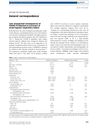
August 2021 in “Internal Medicine Journal”
1 citations
,
August 2021 in “Internal Medicine Journal” After severe COVID-19, 71% of patients experienced excessive hair shedding and thinning within 3 months due to factors like low oxygen levels, medication, stress, and autoimmune disease.
1 citations
,
November 2024 in “Blood” PI3Kδ inhibition may effectively treat cutaneous chronic graft-versus-host disease.
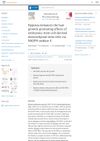 January 2023 in “Biomedicine & Pharmacotherapy”
 Low oxygen conditions improve how well certain stem cells from embryos can make hair grow longer and faster.
April 2026 in “Biosaintifika Journal of Biology & Biology Education” Hypoxia-induced MSC exosomes may boost hair growth in alopecia.
 March 2026 in “Medeniyet Medical Journal”
 EH-MSCs may help treat hair loss by boosting regeneration and reducing inflammation.
January 2026 in “Burns & Trauma” Low oxygen and metabolic changes help organoids grow and repair tissues.
January 2026 in “DOAJ (DOAJ: Directory of Open Access Journals)” EH-MSCs can help regrow hair by boosting IGF-1 and reducing IL-1Beta.
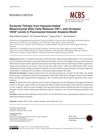 November 2025 in “Molecular and Cellular Biomedical Sciences”
 Exosome therapy from treated stem cells may help reduce inflammation and promote hair regrowth in alopecia.
April 2024 in “Biosaintifika Journal of Biology & Biology Education” A gel from stem cells can reduce baldness caused by fluconazole in rats.
May 2026 in “World Journal of Stem Cells” Low oxygen conditions improve the healing ability of older stem cells from fat tissue.
April 2024 in “Biosaintifika Journal of Biology & Biology Education” SH-MSCs can improve hair growth by balancing gene expressions in fluconazole-related hair loss.
 December 2023 in “International journal of multidisciplinary research and analysis”
 SH-MSCs gel can effectively treat alopecia by increasing IL-10 and decreasing TNF-α gene expression.
 April 2021 in “Journal of Investigative Dermatology”
 A trial showed that a new treatment is safe and effective for male pattern baldness, with most participants growing new hair.
 November 2022 in “Journal of Investigative Dermatology”
 Low oxygen levels affect the behavior of certain proteins in human skin cells.
6 citations
,
January 2024 in “Journal of Cancer” A gene-based model predicts lung adenocarcinoma outcomes and helps guide treatment decisions.
 April 2026 in “Research Square”
 Dapagliflozin helps protect heart cells under stress by improving mitochondrial function and reducing cell damage.
30 citations
,
October 2020 in “Frontiers in Plant Science” Combined arsenic and low oxygen stress alters root growth to help plants absorb nutrients.
6 citations
,
October 2014 in “International Journal of Molecular Sciences” Tanshinone IIA helps protect tissue from low oxygen damage by activating certain cell pathways.
48 citations
,
February 2025 in “Advanced Materials” The hydrogel speeds up diabetic wound healing by adapting to glucose levels and releasing insulin.
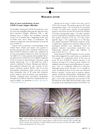 32 citations
,
July 2021 in “Journal of The American Academy of Dermatology”
32 citations
,
July 2021 in “Journal of The American Academy of Dermatology” Hair loss from COVID-19 usually starts around 45 days after infection and lasts about 47.5 days.
24 citations
,
December 2016 in “Stem Cell Research & Therapy” P311 helps skin stem cells become myofibroblast-like cells, aiding wound healing.
18 citations
,
October 2021 in “Journal of Advanced Research” A new tissue engineering method could greatly improve hair regeneration therapies.
17 citations
,
March 2016 in “PubMed” Adipose-derived stem cells show promise for hair growth but need improvement for clinical use.
17 citations
,
August 2004 in “International Journal of Dermatology” Prolonged pressure on the scalp can cause permanent hair loss.
14 citations
,
March 2025 in “Nano Today” The hydrogel dressing speeds up and improves diabetic wound healing.
 7 citations
,
December 2021 in “Journal of The American Academy of Dermatology”
7 citations
,
December 2021 in “Journal of The American Academy of Dermatology” COVID-19 can cause hair loss starting as early as 18 days after infection.