 14 citations
,
November 2011 in “Journal of The American Academy of Dermatology”
14 citations
,
November 2011 in “Journal of The American Academy of Dermatology” Alopecia Areata Incognita causes widespread hair thinning, and treatment with systemic corticosteroids and psychiatric support can lead to remission.
 February 2017 in “International Journal of Research in Dermatology”
 A six-year-old girl unusually had a hair loss condition common in middle-aged women.
 3 citations
,
April 2019 in “The journal of investigative dermatology/Journal of investigative dermatology”
3 citations
,
April 2019 in “The journal of investigative dermatology/Journal of investigative dermatology” ILC1 cells contribute to hair loss in alopecia areata.
April 2025 in “Science Journal of University of Zakho” Inflammatory diets may increase the risk and severity of alopecia areata.
44 citations
,
December 2005 in “Journal of Investigative Dermatology” Certain genetic markers, especially the MICA gene, are linked to alopecia areata.
 January 2026 in “Frontiers in Immunology”
 Icariin can regulate macrophages and may help treat inflammation, cancer, bone disorders, and fibrotic diseases.
36 citations
,
January 2010 in “International Journal of Trichology” Intralesional steroids can help regrow hair in some alopecia areata patients but have side effects.
 1 citations
,
March 2004 in “Journal of the American Academy of Dermatology”
1 citations
,
March 2004 in “Journal of the American Academy of Dermatology” Certain genes are linked to the risk of developing Alopecia Areata.
86 citations
,
December 2002 in “Tissue Antigens” A specific gene change is linked to severe hair loss.
 July 2008 in “Journal of the Islamic Medical Association of North America”
 The document's content cannot be summarized because it is not accessible or understandable.
18 citations
,
February 2023 in “eLife” ILC1-like cells can independently cause alopecia areata.
January 2025 in “Mansoura Medical Journal” Serum IMA levels don't help diagnose AGA but may indicate its severity.
 January 2023 in “Skin appendage disorders”
 A woman's hair grew back after treatment for a rare hair loss caused by proton therapy.
7 citations
,
July 2024 in “Dermatology Practical & Conceptual” SII is a useful and affordable tool to assess and monitor alopecia areata.
September 2019 in “Journal of Investigative Dermatology” Innate lymphoid cells type 1 may contribute to alopecia areata.
Higher air pollution increases the risk of alopecia areata.
June 2025 in “British Journal of Dermatology” An AI device for skin cancer was successfully integrated into the NHS, improving diagnosis accuracy and service capacity.
 8 citations
,
October 2019 in “Immunological investigations”
8 citations
,
October 2019 in “Immunological investigations” The AIRE gene variant rs2075876 is linked to a higher risk of alopecia areata in males.
July 2021 in “Journal of dermatology & dermatologic surgery” IMTA can help regrow hair in severe alopecia areata when JAK inhibitors don't work well.
 19 citations
,
January 2011 in “Clinics”
19 citations
,
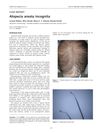
January 2011 in “Clinics” A young woman with a rare hair loss condition improved with steroid and biotin treatment.
 February 2026 in “Frontiers in Immunology”
 Ivarmacitinib significantly improved hair regrowth in severe alopecia areata after tofacitinib was less effective.
 June 2022 in “bioRxiv (Cold Spring Harbor Laboratory)”
 ILC1-like cells can cause alopecia areata by attacking hair follicles.
August 2021 in “Journal of Investigative Dermatology” ILC1-like cells can cause alopecia areata by disrupting hair follicle immunity, suggesting a new treatment approach.
October 2020 in “The American journal of gastroenterology” Para-aminobenzoic acid in hair supplements can cause autoimmune hepatitis.
November 2022 in “Journal of Investigative Dermatology” ILC1-like cells can cause alopecia areata by affecting hair follicles.
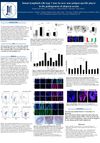
Innate lymphoid cells type 1 may contribute to alopecia areata by damaging hair follicles.
 March 2025 in “Experimental Dermatology”
 Overexpression of IKZF1 and Ikaros causes hair loss in mice similar to alopecia areata.
July 2025 in “Anais Brasileiros de Dermatologia” The Brazilian version of the Alopecia Areata Quality of Life Index is reliable for assessing patients' quality of life.
July 2026 in “Frontiers in Immunology” This case report discusses a 28-year-old male with a history of atopic dermatitis (AD) who developed prurigo nodularis-like lesions and alopecia areata (AA), alongside androgenetic alopecia (AGA). Conventional treatments were ineffective, but the patient experienced rapid improvement in skin lesions, pruritus, and hair regrowth after taking ivarmacitinib, a selective JAK1 inhibitor. This suggests that ivarmacitinib could be effective for treating complex AD phenotypes with associated immune-mediated hair loss.