June 2025 in “British Journal of Dermatology” JAK inhibitors help regrow hair in alopecia areata, but their long-term safety is still unclear.
 January 2026 in “DOAJ (DOAJ: Directory of Open Access Journals)”
 Early biopsy and targeting inflammation can improve treatment for hair loss in androgenetic alopecia.
 October 2021 in “Dermatology Reports”
 Higher IL-17A levels indicate more severe alopecia areata.
June 2025 in “British Journal of Dermatology” Ruxolitinib helped a woman with a genetic mutation regrow her hair and improved her health.
 4 citations
,
December 2020 in “Mammalian genome”
4 citations
,
December 2020 in “Mammalian genome” Harlequin mutant mice have hair loss due to low AIF protein levels and retroviral element activity.
13 citations
,
March 2014 in “Journal of Clinical Laboratory Analysis” Higher MIF levels in alopecia areata patients suggest it could be a treatment target and disease predictor.
July 2006 in “Hair transplant forum international”  60 citations
,
October 2009 in “Dermatology”
60 citations
,
October 2009 in “Dermatology” Alopecia areata may appear differently depending on the individual's type of hair loss and scalp condition.
May 2024 in “The Journal of Immunology” IL-27 can prevent hair loss in alopecia areata.
 40 citations
,
August 2022 in “Frontiers in immunology”
40 citations
,
August 2022 in “Frontiers in immunology” Blocking JAK/STAT pathways can help treat hair loss from alopecia areata.
August 2025 in “Bioactive Materials” Ac-GFFY-IGF peptide is a promising, safe, and effective treatment for hair loss, better than current options.
1 citations
,
May 2024 in “Italian Journal of Dermatology and Venereology” Alopecia areata is hard to manage and affects quality of life.
 6 citations
,
May 2023 in “Drugs”
6 citations
,
May 2023 in “Drugs” Baricitinib helps regrow hair in adults with severe alopecia better than a placebo and is approved for treatment, but long-term effects are still unknown.
1 citations
,
July 2025 in “Journal of Investigative Dermatology” IL-27 may help prevent hair loss by creating immune-suppressing cells.
December 2025 in “Experimental Dermatology” Improving blood vessel health and controlling uric acid may help manage alopecia areata.
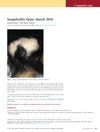 February 2016 in “The journal of investigative dermatology/Journal of investigative dermatology”
 JAK inhibitors may help treat alopecia areata by reversing hair loss.
 September 2022 in “Hair transplant forum international”
 JAK inhibitors like baricitinib are a new FDA-approved treatment for alopecia areata, but safety data is incomplete.
May 2024 in “Drugs & Therapy Perspectives” New treatments like JAK inhibitors offer hope for better alopecia areata management.
 1 citations
,
August 2022 in “JAAD case reports”
1 citations
,
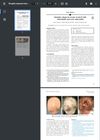
August 2022 in “JAAD case reports” Tofacitinib and oral minoxidil may help treat Sisaipho alopecia areata.
1 citations
,
August 2021 in “Journal of Investigative Dermatology” ASLAN004 was safe and well-tolerated, supporting further development for treating certain diseases.
28 citations
,
June 2007 in “Journal of Cutaneous Pathology” IRS premature desquamation is not unique to CCCA and occurs in various scarring alopecias.
2 citations
,
March 2025 in “Journal of Translational Autoimmunity” Targeting the AhR pathway may help treat alopecia areata.
March 2026 in “Actas Dermo-Sifiliográficas” JAK inhibitors are recommended for severe alopecia areata if corticosteroids fail.
August 2025 in “Australasian Journal of Dermatology” Experts created guidelines for who in Australia can get subsidized JAK inhibitor therapy for alopecia areata.
 December 2025 in “Babcock University Medical Journal”
 CD27 and IL-35 can help diagnose alopecia areata linked to bacterial infections.
 April 2023 in “The journal of investigative dermatology/Journal of investigative dermatology”
 Intravenous methylprednisolone helped over half of alopecia areata patients regrow hair, but many relapsed.
March 2026 in “Immunological Medicine” Janus kinase inhibitors help some people with severe alopecia areata regrow hair, but not everyone responds, and relapses can happen.
24 citations
,
February 2011 in “The American journal of pathology” AIRE protein, defective in APECED patients, is found in skin and hair cells and interacts with cytokeratin 17.
6 citations
,
November 2020 in “JAAD Case Reports” Tofacitinib may help treat both alopecia areata and inflammatory bowel disease.
 27 citations
,
February 2014 in “Experimental Dermatology”
27 citations
,
February 2014 in “Experimental Dermatology” IGF-1 affects hair loss and could be a potential treatment.