 March 2024 in “Cancer Research”
 Eliminating senescent cells can prevent and reverse chemotherapy-induced peripheral neuropathy.
 17 citations
,
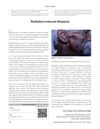
January 2010 in “International journal of trichology”
17 citations
,
January 2010 in “International journal of trichology” A man experienced hair loss from radiotherapy, which can be temporary or permanent depending on radiation dose, with potential treatments available.
 February 2026 in “Preprints.org”
 Reporter characteristics affect detection of hair loss from cancer therapy.
 April 2022 in “Authorea (Authorea)”
 CT scans can find serious prostate cancer even when PSA levels are low.
2 citations
,
December 2015 in “DOAJ (DOAJ: Directory of Open Access Journals)” Targeted anticancer therapies often cause skin issues, affecting treatment adherence and quality of life.
5 citations
,
January 2025 in “Cancers” Improving treatment plans can reduce hair loss and improve life quality for ovarian cancer patients.

Dacomitinib can cause nail and skin issues, but these can be managed without stopping the drug.
3 citations
,
August 2019 in “JAAD Case Reports” Temporary hair loss can occur after 5-fluorouracil treatment for keloids.
 15 citations
,
July 2023 in “EClinicalMedicine”
15 citations
,
July 2023 in “EClinicalMedicine” ADCs can effectively treat breast cancer but may cause side effects like nausea and hair loss.
 September 2010 in “Institutional Repositories DataBase (IRDB)”
 Sorafenib can cause a temporary skin condition that goes away after stopping the drug.
 29 citations
,
September 2017 in “Oncology and therapy”
29 citations
,
September 2017 in “Oncology and therapy” The document provides advice on how to recognize and treat skin-related side effects of cancer drugs known as EGFR inhibitors.
October 2023 in “Journal of Mind and Medical Sciences” Early detection and a multidisciplinary approach are crucial for improving gastric cancer survival rates.
11 citations
,
December 2013 in “Clinical and Experimental Dermatology” Sorafenib often causes skin side effects, indicating effective cancer treatment.
Immune therapy for cancer can cause rare hair loss but doesn't stop treatment success.
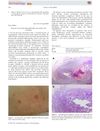
January 2013 in “대한피부과학회지” Gefitinib can cause rare scarring hair loss.

Modern skin cancer treatments can cause skin side effects and hair loss, affecting patients' quality of life.
 5 citations
,
August 2014 in “Australasian journal of dermatology”
5 citations
,
August 2014 in “Australasian journal of dermatology” Sorafenib can cause delayed skin problems, so patients need careful monitoring.
8 citations
,
December 2007 in “Journal of Thoracic Oncology” Erlotinib can cause significant but temporary hair loss in lung cancer patients.
 3 citations
,
June 2023 in “The journal of investigative dermatology/Journal of investigative dermatology”
3 citations
,
June 2023 in “The journal of investigative dermatology/Journal of investigative dermatology” The conclusion suggests that focusing on certain cellular pathways may improve the prevention and repair of hair loss caused by radiotherapy.
3 citations
,
January 2022 in “JAAD Case Reports” Alopecia areata and myasthenia gravis can occur as rare symptoms of breast cancer.
26 citations
,
February 2015 in “Pediatric blood & cancer” Targeted anticancer therapies in children often cause skin side effects like rash and dry skin.
3 citations
,
October 2024 in “Cancers” Skin side effects from melanoma immunotherapy are common and may indicate better survival.
45 citations
,
April 2021 in “Current Treatment Options in Oncology” ADT for prostate cancer may harm the heart, but GnRH antagonists might be safer.
 1 citations
,
September 2024 in “International Journal of Advanced Multidisciplinary Research and Studies”
1 citations
,
September 2024 in “International Journal of Advanced Multidisciplinary Research and Studies” Chemotherapy with carboplatin-paclitaxel causes hair loss in all patients.
 1 citations
,
January 2023 in “Przegląd Dermatologiczny”
1 citations
,
January 2023 in “Przegląd Dermatologiczny” A man's severe skin reaction from cancer treatment improved with early diagnosis and proper medication.
 44 citations
,
September 2015 in “Annals of Oncology”
44 citations
,
September 2015 in “Annals of Oncology” Targeted cancer therapies have a significant but lower risk of causing hair loss compared to chemotherapy.
 19 citations
,
October 2008 in “Journal der Deutschen Dermatologischen Gesellschaft”
19 citations
,
October 2008 in “Journal der Deutschen Dermatologischen Gesellschaft” Anti-cancer treatments can cause reversible hair loss, skin sensitivity, pigmentation changes, nail damage, and skin reactions, with a need for more research on managing these side effects.
 1 citations
,
August 2019 in “Biomedical Journal of Scientific & Technical Research”
1 citations
,
August 2019 in “Biomedical Journal of Scientific & Technical Research” Early detection of chemotherapy side effects allows treatment adjustments, improving patient outcomes.
 October 2014 in “Archives of disease in childhood”
 Childhood cancer diagnosis leads to long-term physical and emotional health issues in parents.
 172 citations
,
November 1983 in “Journal of The American Academy of Dermatology”
172 citations
,
November 1983 in “Journal of The American Academy of Dermatology” Chemotherapy can cause skin problems like hair loss, mouth sores, and skin darkening, and recognizing these can affect treatment decisions.