 January 2024 in “ACS Biomaterials Science & Engineering”
 A new method using a microfluidic device can prepare hair follicle germs efficiently for potential use in hair loss treatments.

Umbilical cord blood is a valuable source of stem cells for medical treatments, but its use is less common than other transplants, and there are ethical issues to consider.
 June 2023 in “Frontiers in Genetics”
 Genes related to calcium signaling and lipid metabolism are important for curly hair in Mangalitza pigs.
January 1988 in “Bulletin of Hispanic Studies” Old Portuguese suffixes evolved under Latin and other language influences, with some becoming less common over time.
 5 citations
,
September 2012 in “Dermatology Online Journal”
5 citations
,
September 2012 in “Dermatology Online Journal” Follicular Unit Extraction (FUE) hair transplant is less invasive, leaves no scars, and has quicker recovery times, but it's more time-consuming and challenging. Automation helps speed up the process and improve graft survival, reducing the need for traditional strip surgery.
36 citations
,
October 2002 in “The Journal of Dermatology” Combining SADBE with other treatments can help hair regrowth in alopecia areata patients.
 2 citations
,
February 2017 in “Science”
2 citations
,
February 2017 in “Science” The Dawn spacecraft found that Ceres has complex organic molecules and a lot of water ice, hinting it might support life.
 December 2024 in “International Journal of experimental research and review”
 Ultrasonic vibrations create a superior fir and cedar oil emulsion, enhancing antibacterial and other beneficial properties for food, cosmetics, and pharmaceuticals.
December 2013 in “대한기계학회 춘추학술대회” A new cooling device keeps a constant temperature for medical procedures, improving results.
81 citations
,
January 2003 in “Journal of cosmetic and laser therapy” New techniques have improved acne scar treatment, but multiple tailored sessions are often needed.
9 citations
,
August 2020 in “Ecological indicators” Laser ablation ICP-MS is effective for tracking trace elements in polar bear hair over time.
 December 2025 in “Biology Bulletin”
 Baikal seals' skin shows normal features for protection and some pathologies possibly linked to climate change or a virus.

Transplanting cultured skin sheets improved acne scars in four patients.
January 2025 in “Зоологический журнал / Russian Journal of Zoology” Baikal seals' skin shows normal adaptations and potential pathologies possibly linked to climate change and a viral pathogen.
October 2024 in “Medicina Estética Revista Científica de la Sociedad Española de Medicina Estética (SEME)” Temperaturas de 4 °C son ideales para conservar injertos capilares.
Early detection and treatment of iron deficiency anemia, especially in premenopausal women, is crucial for rapid symptom improvement.
The research found how certain drugs and polymers form stable complexes, which could help develop new pharmaceutical forms.
 27 citations
,
April 2020 in “Molecular Biology and Evolution”
27 citations
,
April 2020 in “Molecular Biology and Evolution” Ancient Chinese goats evolved cashmere-producing traits due to selective breeding, particularly in genes affecting hair growth.
 October 2025 in “Infection Control and Hospital Epidemiology”
 Standardized protocols are crucial for safe and infection-free platelet-rich plasma therapy.
July 2025 in “Microscopy and Microanalysis” Intermittent compression therapy is safe and doesn't harm tissue.
Stroma structural changes cause large pores and skin laxity, regardless of age or ethnicity.
 January 2024 in “Dermatologic Surgery”
 The device is useful for anesthesia, healing treatments, and preventing hair loss.
October 2022 in “Clinical Cosmetic and Investigational Dermatology” Pneumatic compression can cause skin bruising even in healthy individuals.
7 citations
,
June 2018 in “Cryobiology” Freezing nitrogen ethanol composite is safer than liquid nitrogen for treating musculoskeletal tumors.
 March 2025 in “Pain Physician”
 Cooling the skin before injections reduces pain for patients with hair loss.
 December 2017 in “Actas Dermo-Sifiliográficas”
 Scalp cooling reduces chemotherapy-induced hair loss without increasing risk of skin metastases.
 53 citations
,
June 1982 in “The BMJ”
53 citations
,
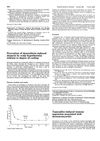
June 1982 in “The BMJ” Cooling the scalp below 22°C before and during chemotherapy can help prevent hair loss.
 15 citations
,
October 2006 in “Journal of the American Academy of Dermatology”
15 citations
,
October 2006 in “Journal of the American Academy of Dermatology” Liquid nitrogen spray caused a temporary, harmless swelling under the skin in an elderly woman.
5 citations
,
September 2024 in “Journal of Clinical Medicine” Scalp cooling effectively reduces hair loss in breast cancer patients undergoing chemotherapy.
September 2024 in “Journal of Cosmetic Dermatology” Cold gel compresses are the best for pain relief during scalp microneedling.