January 2025 in “Dermatologic Therapy” Alopecia areata patients don't have increased atherosclerosis risk, but may have higher cardiovascular risk due to smoking, blood sugar, and blood pressure.
Farudodstat may effectively treat alopecia areata by protecting hair follicles without harmful effects.
 April 2018 in “The journal of investigative dermatology/Journal of investigative dermatology”
 Androgens increase growth factors in skin cells, which may lead to acne.
July 2024 in “Journal of Investigative Dermatology” Brepocitinib improves cicatricial alopecia and reduces key immune markers.
 April 2018 in “Journal of Investigative Dermatology”
 Aging reduces skin cell renewal and defense against germs due to TGFbeta, but blocking TGFbeta could help restore these functions.
June 2016 in “Afro-Egyptian Journal of Infectious and Endemic Diseases” Most patients on this hepatitis C treatment experienced skin issues, especially hair loss.
91 citations
,
March 1996 in “Archives of Dermatological Research” Certain cytokines and growth factors can inhibit hair growth and may affect alopecia areata.
56 citations
,
September 2016 in “Pharmaceutical Research” The fish oil-based gel with imiquimod improves skin cancer treatment and reduces inflammation.
42 citations
,
April 2021 in “JCI insight” Blocking JAK3 signaling can reverse hair loss from alopecia areata.
39 citations
,
May 2019 in “Journal of the American Academy of Dermatology” Hair loss in lupus patients indicates higher disease activity.
 34 citations
,
October 2011 in “Pathology Research International”
34 citations
,
October 2011 in “Pathology Research International” Behçet's Disease may be caused by genetic and environmental factors leading to abnormal immune responses, and stress management and new treatments could improve patient outcomes.
 29 citations
,
February 2018 in “European Journal of Immunology”
29 citations
,
February 2018 in “European Journal of Immunology” Regulatory T cells are essential for normal and improved wound healing in mice.
28 citations
,
January 2009 in “Cellular & Molecular Biology Letters” DHT deficiency increases iNOS expression in rat testis and epididymis.
18 citations
,
August 2024 in “eLife” JAK inhibition may help manage autoimmune conditions in Down syndrome.
 15 citations
,
April 2022 in “Immunology”
15 citations
,
April 2022 in “Immunology” Men and women get COVID-19 at similar rates, but men tend to get sicker and have a higher risk of dying, while women usually have stronger immune responses and vaccine reactions.
 9 citations
,
August 2018 in “JAAD Case Reports”
9 citations
,
August 2018 in “JAAD Case Reports” Tofacitinib can temporarily improve hair growth in alopecia universalis, but its effectiveness may decrease over time.
 2 citations
,
January 2014 in “Journal of clinical and investigative dermatology”
2 citations
,
January 2014 in “Journal of clinical and investigative dermatology” Some drugs used to treat immune conditions may cause different types of hair loss.
 1 citations
,
October 2022 in “International Journal of Molecular Sciences”
1 citations
,
October 2022 in “International Journal of Molecular Sciences” Using healthy donor stem cells can potentially calm overactive immune cells and reduce inflammation in severe hair loss patients, offering a possible treatment method.
March 2025 in “European Journal of Medical Genetics” Tofacitinib helped improve symptoms and hair growth in a patient with Aicardi-Goutières syndrome.
Frontal fibrosing alopecia can be managed with personalized combination therapies, but no cure exists yet.
50 citations
,
December 2005 in “European Journal of Immunology” RXRα is crucial for proper immune response and links diet to immune function.
31 citations
,
October 2002 in “Journal of Investigative Dermatology” IL-10 may worsen alopecia areata instead of helping it.
26 citations
,
June 2024 in “Frontiers in Immunology” SOCS1 and SOCS3 help control skin inflammation and are important for developing treatments for skin diseases.
25 citations
,
December 2017 in “The journal of investigative dermatology. Symposium proceedings/The Journal of investigative dermatology symposium proceedings” Targeted cytokine treatments may help with alopecia areata, but more research is needed.
 19 citations
,
December 2015 in “Journal of Investigative Dermatology”
19 citations
,
December 2015 in “Journal of Investigative Dermatology” The protein p53 directly reduces the production of Keratin 17, a skin and hair protein, in rats with radiation dermatitis.
 15 citations
,
November 2023 in “Immunity & ageing”
15 citations
,
November 2023 in “Immunity & ageing” TLR4 is important in aging-related diseases and could be a new treatment target.
 15 citations
,
August 2021 in “Reviews in endocrine and metabolic disorders”
15 citations
,
August 2021 in “Reviews in endocrine and metabolic disorders” COVID-19 and hypopituitarism (reduced pituitary gland function) are linked, with the latter's related health issues potentially worsening COVID-19 outcomes, and COVID-19 possibly increasing risk for pituitary complications.
14 citations
,
June 2021 in “Journal of dermatological science” Argan press cake extract might help grow hair and protect hair cells from damage and inflammation.
8 citations
,
November 2024 in “EMBO Molecular Medicine” Targeting JAK-STAT1 can reduce inflammation and promote hair growth in conditions linked to EGFR deficiency.
 8 citations
,
May 2017 in “Singapore Medical Journal”
8 citations
,
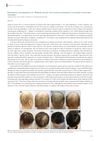
May 2017 in “Singapore Medical Journal” A Korean woman with complete hair loss regrew her hair after taking tofacitinib, with no side effects.