 113 citations
,
December 2000 in “The journal of investigative dermatology. Symposium proceedings/The Journal of investigative dermatology symposium proceedings”
113 citations
,
December 2000 in “The journal of investigative dermatology. Symposium proceedings/The Journal of investigative dermatology symposium proceedings” KGF and activin are crucial for skin healing and repair.
 April 2023 in “Journal of Investigative Dermatology”
 Blocking casein kinase 1 in skin cells can help melanocyte precursors move better, potentially helping with conditions like vitiligo or gray hair.
 27 citations
,
February 2014 in “Experimental Dermatology”
27 citations
,
February 2014 in “Experimental Dermatology” IGF-1 affects hair loss and could be a potential treatment.
 October 2021 in “Journal of Investigative Dermatology”
 Dkk4 protein is necessary for the proper development and arrangement of hair follicles.
4 citations
,
November 2023 in “Journal of Cosmetic Dermatology” Negative pressure fractional microneedle radiofrequency effectively and safely reduces periorbital aging signs.
24 citations
,
February 2023 in “BMC Complementary Medicine and Therapies” Forsythiaside A reduces kidney damage from sepsis by lowering inflammation and cell death.
29 citations
,
April 2020 in “Biomolecules” Brassinosteroids may be useful in treating cancer, infections, and other diseases.
Nourkrin effectively promotes hair growth and is well-tolerated without side effects.
 22 citations
,
February 2017 in “Clinical and Experimental Dermatology”
22 citations
,
February 2017 in “Clinical and Experimental Dermatology” Icariin helps mouse hair grow by boosting a growth factor in skin cells.
 17 citations
,
December 2010 in “Journal of Investigative Dermatology”
17 citations
,
December 2010 in “Journal of Investigative Dermatology” Flightless I protein affects hair growth, with low levels delaying it and high levels increasing hair length in rodents.
 41 citations
,
December 2015 in “JAMA Dermatology”
41 citations
,
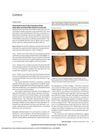
December 2015 in “JAMA Dermatology” Tofacitinib citrate improved nail dystrophy and pain in patients with alopecia universalis without causing side effects.
 39 citations
,
March 2008 in “Growth hormone & IGF research”
39 citations
,
March 2008 in “Growth hormone & IGF research” Raspberry ketone may help grow hair and improve skin elasticity.
55 citations
,
October 2008 in “American Journal Of Pathology” mIGF-1 in skin cells speeds up wound healing and hair growth in mice without harmful effects.
 April 2023 in “Journal of Investigative Dermatology”
 The research developed methods to test drugs that could protect and restore hair follicle protection in a hair loss condition.
 April 2023 in “Journal of Investigative Dermatology”
 Dimethyl fumarate speeds up wound healing in IL-36Ra deficient mice by reducing NET formation and oxidative stress.
 August 2024 in “Advanced Healthcare Materials”
 RK81 can help promote hair growth.
66 citations
,
May 2002 in “The Plant Journal” The IRE gene is important for normal root hair growth in Arabidopsis plants.
4 citations
,
September 2025 in “Journal of the American Academy of Dermatology” 29 citations
,
December 2019 in “Expert review of clinical pharmacology” JAK inhibitors are a promising new treatment for hair loss and nail problems in alopecia areata.
August 2022 in “Nutrients” Nutritional supplements may help improve hair growth in female pattern hair loss.
 28 citations
,
December 2008 in “Laboratory investigation”
28 citations
,
December 2008 in “Laboratory investigation” Activin activation in skin cells speeds up wound healing without affecting scar quality.
August 2012 in “Faculty Opinions – Post-Publication Peer Review of the Biomedical Literature” FGF18 controls hair cycle rest and growth phases.
 4 citations
,
April 2024 in “Cellular and Molecular Biology”
4 citations
,
April 2024 in “Cellular and Molecular Biology” Injectable platelet-rich fibrin is better than platelet-rich plasma for promoting hair growth.

GFC injections significantly improved hair growth and quality with minimal side effects.
January 2016 in “프로그램북(구 초록집)” The growth factor cocktail with FGF9 significantly increased hair density and diameter in patients with androgenetic alopecia.
 March 2025 in “Dermatologic Surgery”
 Fractional radiofrequency microneedling is as effective and safe as intralesional steroids for treating patchy alopecia areata, with fewer side effects.
 April 2023 in “The journal of investigative dermatology/Journal of investigative dermatology”
 KLF4 is important for keeping hair follicle stem cells inactive.
January 2013 in “edoc (University of Basel)” TRF1 is crucial for creating and maintaining stem cells and marks both pluripotent and adult stem cells.
 1 citations
,
February 2022 in “bioRxiv (Cold Spring Harbor Laboratory)”
1 citations
,
February 2022 in “bioRxiv (Cold Spring Harbor Laboratory)” A peptide from hair follicle stem cells promotes hair growth by activating specific skin cells.
8 citations
,
January 2024 in “Medical Principles and Practice” IGFBP5 may be a potential target for Parkinson's treatment by reducing neuron death.