6 citations
,
May 2023 in “Dermatology Research and Practice” IL-15 and TNF-α levels are higher in alopecia areata patients, especially in alopecia totalis.
 2 citations
,
February 2023 in “Journal of the American Academy of Dermatology”
2 citations
,
February 2023 in “Journal of the American Academy of Dermatology” People with autism are more likely to develop alopecia areata than those without autism.
35 citations
,
June 2011 in “British Journal of Dermatology” The DQB1*03 allele is linked to higher alopecia areata risk in Italians.
7 citations
,
July 2024 in “Dermatology Practical & Conceptual” SII is a useful and affordable tool to assess and monitor alopecia areata.
4 citations
,
August 2006 in “The Journal of Dermatology” HLA can be linked to autoimmune hepatitis.
 2 citations
,
February 2018 in “InTech eBooks”
2 citations
,
February 2018 in “InTech eBooks” TNF-alpha inhibitors can cause various immune-related skin issues.
1 citations
,
August 2025 in “Australasian Journal of Dermatology” Anti-TNF therapy can cause a rare hair loss condition similar to alopecia areata.
 November 2025 in “Clinical Cosmetic and Investigational Dermatology”
 Tattoos may trigger autoimmune symptoms in some people.
 1 citations
,
August 2021 in “Movement disorders clinical practice”
1 citations
,
August 2021 in “Movement disorders clinical practice” A man with Isaac's syndrome affecting only one side of his body improved after immune system-targeted treatment.
 3 citations
,
July 2021 in “International journal of environmental research and public health/International journal of environmental research and public health”
3 citations
,
July 2021 in “International journal of environmental research and public health/International journal of environmental research and public health” Two patients developed complete hair loss after Alemtuzumab treatment for MS, with no regrowth after two years.
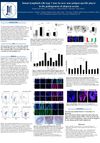
Innate lymphoid cells type 1 may contribute to alopecia areata by damaging hair follicles.
 March 2025 in “Experimental Dermatology”
 Overexpression of IKZF1 and Ikaros causes hair loss in mice similar to alopecia areata.
March 2023 in “International Journal of Trichology” A man developed temporary hair loss after taking a cancer drug, which might indicate a better treatment response.
52 citations
,
September 2014 in “Nature medicine” JAK inhibitors might help treat alopecia areata.
35 citations
,
February 2023 in “Biomolecules” Granzyme B is important in autoimmune skin diseases and could be a new treatment target.
14 citations
,
March 2017 in “Genes and immunity” Certain microRNAs may help treat alopecia areata by targeting immune pathways.
38 citations
,
July 2009 in “Current opinion in pediatrics, with evaluated MEDLINE/Current opinion in pediatrics” Alopecia areata is a common autoimmune disease affecting hair follicles, with unclear causes and a need for better treatments.
August 2024 in “Journal of the Egyptian Womenʼs Dermatologic Society” SOX10 in hair follicles is linked to inflammation in alopecia areata.
 3 citations
,
May 2023 in “Frontiers in immunology”
3 citations
,
May 2023 in “Frontiers in immunology” Faulty inflammasome activation may lead to autoimmune skin diseases and could be a target for new treatments.
 2 citations
,
December 2023 in “Mediterranean Journal of Rheumatology”
2 citations
,
December 2023 in “Mediterranean Journal of Rheumatology” Late onset SLE has different symptoms and antibody profiles compared to young onset SLE.
Mycophenolate mofetil is a good alternative for autoimmune hepatitis patients who can't tolerate azathioprine.
 January 2025 in “Skin Health and Disease”
 Baricitinib may effectively treat both alopecia areata and immune thrombocytopenia.
 19 citations
,
September 2014 in “JAMA Dermatology”
19 citations
,
September 2014 in “JAMA Dermatology” Eosinophilic infiltrate is not a reliable indicator for diagnosing chronic alopecia areata.
1 citations
,
January 2020 in “Indian journal of dermatology, venereology, and leprology” CD117 and platelet-derived growth factor receptor α may play a role in alopecia areata.
43 citations
,
May 2011 in “Dermatologic therapy” New genetic discoveries in alopecia areata could lead to better treatments.
3 citations
,
September 2025 in “Frontiers in Immunology” JAK inhibitors are effective for treating moderate-to-severe alopecia areata.
March 2026 in “Tạp chí Da liễu học Việt Nam” Imbalance in immune cells causes hair loss in alopecia areata.
4 citations
,
July 2017 in “Journal of Medical Case Reports” The 2012 criteria are better for diagnosing atypical lupus cases.
10 citations
,
November 2016 in “Clinical and experimental dermatology” PAS III can cause multiple autoimmune diseases with noticeable skin issues.
 20 citations
,
June 2019 in “Experimental Dermatology”
20 citations
,
June 2019 in “Experimental Dermatology” The research suggests that autophagy-related genes might play a role in causing alopecia areata.