19 citations
,
October 2008 in “Expert Review of Dermatology” EGF receptor is crucial for skin health and its inhibitors can cause skin rashes.
 April 2016 in “The journal of investigative dermatology/Journal of investigative dermatology”
 RPGRIP1L helps skin cells stick together by blocking PKCβII, which can prevent skin blistering like in pemphigus.
2 citations
,
October 2021 in “Experimental Cell Research” Injectable platelet-rich fibrin helps hair growth by boosting key cell functions.
1 citations
,
November 2024 in “EMBO Reports” Deleting Gpr54 speeds up hair growth and regeneration.
4 citations
,
March 2008 in “Journal of the American Academy of Dermatology” April 2011 in “The FASEB Journal” Profilin1 speeds up wound healing.
 April 2025 in “International Journal of General Medicine”
 The G allele of IFITM3 rs12252 is linked to more severe COVID-19.
 6 citations
,
April 1996 in “Journal of histochemistry and cytochemistry/The journal of histochemistry and cytochemistry”
6 citations
,
April 1996 in “Journal of histochemistry and cytochemistry/The journal of histochemistry and cytochemistry” TGF-alpha is present in sheep and ferret skin and may affect hair growth without directly stimulating cell proliferation.
48 citations
,
April 2008 in “Human Molecular Genetics” Progerin affects cell shape but not hair or skin in mice.
 113 citations
,
December 2000 in “The journal of investigative dermatology. Symposium proceedings/The Journal of investigative dermatology symposium proceedings”
113 citations
,
December 2000 in “The journal of investigative dermatology. Symposium proceedings/The Journal of investigative dermatology symposium proceedings” KGF and activin are crucial for skin healing and repair.
Some factors can either promote or inhibit hair growth.
84 citations
,
February 1981 in “Journal of Endocrinology” Epidermal growth factor slows hair and body growth in mice.
6 citations
,
January 2004 in “DNA Research” A mutation in the Sgkl gene causes defective hair growth in mice.
January 2008 in “HAL (Le Centre pour la Communication Scientifique Directe)” The mutant HR bmh protein affects hair follicle formation by failing to repress vitamin D receptor activity.
November 2025 in “Clinical and Translational Medicine” DNAJB9 cfRNA could help diagnose and treat female hair loss.
December 2025 in “Animals” TGFBR1 slows down cell growth in fine-wool sheep hair follicles.
9 citations
,
July 2020 in “Cell Proliferation” Epiregulin can help hair grow and may be useful for treating hair loss.
21 citations
,
April 2008 in “Toxicologic Pathology” CI-1033 causes skin lesions in rats, similar to humans, due to EGF receptor inhibition.
June 2009 in “Faculty Opinions – Post-Publication Peer Review of the Biomedical Literature” Lrig1 marks a unique group of stem cells in mouse skin that can become different skin cell types.
August 2025 in “Biomolecules” Fibroblast growth factors could be a better, safer treatment for hair loss than current options.
 11 citations
,
October 2018 in “Nucleic Acid Therapeutics”
11 citations
,
October 2018 in “Nucleic Acid Therapeutics” Modified KGF mRNA helps skin cells grow and move faster, which may improve wound healing.
 19 citations
,
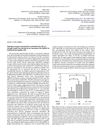
September 2011 in “Journal of Dermatological Science”
19 citations
,
September 2011 in “Journal of Dermatological Science” TGF-β1 increases androgen receptor activity in hair loss, but Hic-5/ARA55 can counter this effect.
52 citations
,
July 2011 in “PubMed” TRPS1 is crucial for bone, kidney, and hair follicle development.
1 citations
,
October 2020 in “Research Square (Research Square)” A genetic variant in goats is linked to cashmere growth.
 November 2005 in “Reactions Weekly”
 A man treated with gefitinib for lung cancer grew new hair on his bald scalp.
17 citations
,
September 2020 in “Inflammation and Regeneration” WNT activation in scalp fibroblasts boosts hair growth by increasing FGF9.
September 2019 in “The journal of investigative dermatology/Journal of investigative dermatology” A new mutation in the STING protein causes a disease with lupus-like symptoms and responds well to a specific inhibitor treatment.
 28 citations
,
November 2019 in “Gene”
28 citations
,
November 2019 in “Gene” The ITGB6 gene is important for tissue repair and hair growth, and mutations can lead to enamel defects and other health issues.
April 2026 in “Journal of Investigative Dermatology” ZNF750 helps keep hair follicles healthy and prevents skin inflammation.
10 citations
,
June 2021 in “Journal of Investigative Dermatology”