 April 2023 in “Journal of Investigative Dermatology”
 MPZL3 protein helps control the size of oil glands and the growth of oil-producing cells in both mice and humans.
6 citations
,
June 1986 in “The Journal of Dermatology” Reticular erythematous mucinosis syndrome can occur with minimal mucin deposition.
 66 citations
,
April 1995 in “The journal of cell biology/The Journal of cell biology”
66 citations
,
April 1995 in “The journal of cell biology/The Journal of cell biology” A new protein was made to detect specific skin cell growth receptors and worked in normal skin but not in skin cancer cells.
19 citations
,
May 2016 in “Biology Direct” A new method, iSiMPRe, effectively identifies key protein regions in cancer genes, highlighting potential drug targets.
 28 citations
,
October 2004 in “Differentiation”
28 citations
,
October 2004 in “Differentiation” A gene deletion causes the "hairless" trait in Iffa Credo rats.
97 citations
,
December 2011 in “New England Journal of Medicine” The FDA did not approve certain drugs for prostate cancer prevention due to concerns about their effectiveness and potential risks.
5 citations
,
December 2014 in “Molecular cytogenetics” A specific genetic change is linked to mental disorders, intellectual disability, and possibly autoimmune disease in a family.
 7 citations
,
February 2010 in “British Journal of Dermatology”
7 citations
,
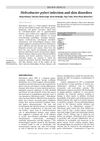
February 2010 in “British Journal of Dermatology” A woman with a rare autoimmune disorder had a blister on her eye and unique immune reaction, which was effectively treated with medication.
 25 citations
,
July 2014 in “Hong Kong medical journal”
25 citations
,
July 2014 in “Hong Kong medical journal” Some skin disorders might be linked to H. pylori infection, but more research is needed to confirm this.
 1 citations
,
April 2016 in “Journal of Reproductive Health and Medicine”
1 citations
,
April 2016 in “Journal of Reproductive Health and Medicine” Diagnosing new systemic lupus during pregnancy is hard but important for the health of the mother and baby.
 April 2026 in “Journal of Applied Veterinary Science And Technology”
 Chronic malnutrition can cause ascites in kittens, and improving nutrition can lead to quick recovery.
 December 2025 in “Journal of Composites and Compounds”
 Composite biomaterials can precisely control immune responses for better disease treatment.
70 citations
,
February 2016 in “EMBO reports” Scientists found a specific group of itch-sensing nerve cells in mice important for feeling itch but not for sensing heat or touch.
 April 2023 in “The journal of investigative dermatology/Journal of investigative dermatology”
 Lack of TG2 increases fat storage and lowers cell cleanup in skin oil cells.
3 citations
,
July 2023 in “Cells” MG53 helps reduce skin damage caused by nitrogen mustard.
 2 citations
,
January 2001 in “Biomedical Research”
2 citations
,
January 2001 in “Biomedical Research” Trichohyalin and peptidylarginine deiminase type III are found together in rat hair follicles, with trichohyalin being modified after expression.
 February 2010 in “Journal of The American Academy of Dermatology”
 The document concludes that using gadolinium-based contrast agents during MRI can be linked to Nephrogenic Systemic Fibrosis in patients with severe kidney disease.
26 citations
,
April 2011 in “British Journal of Dermatology” New mutations in the DSG4 gene cause a rare hair condition.
477 citations
,
March 2004 in “Proceedings of the National Academy of Sciences” The DMI3 gene is essential for nodule development and symbiosis in certain plants.
66 citations
,
March 2016 in “Nucleic Acids Research” Musashi-2 limits epithelial cell movement and affects cell growth.
2 citations
,
September 2010 in “Acta Ophthalmologica” Meibomian glands are like hair follicles without a hair shaft.
5 citations
,
January 2022 in “Health Science Reports” Gremlin proteins help regulate hair growth by balancing signals in hair follicles.
5 citations
,
July 1999 in “Journal of Anatomy” Methylene blue staining effectively reveals detailed nerve structures in rat snouts.
January 2024 in “Doria (University of Helsinki)” Keratins help GLUT2 stay on the cell membrane in pancreatic β-cells.
 2 citations
,
February 2009 in “Clinical and Experimental Dermatology”
2 citations
,
February 2009 in “Clinical and Experimental Dermatology” A man had rare skin tumors with bone formation and cholesterol deposits.
September 2017 in “Journal of Investigative Dermatology” LRIG1 protein affects hair growth by regulating skin receptors, leading to hair loss when overexpressed.
 11 citations
,
June 2012 in “Acta histochemica”
11 citations
,
June 2012 in “Acta histochemica” Mice with a Gsdma3 gene mutation have thicker skin and longer hair follicle openings due to increased β-catenin levels.
 December 2023 in “The journal of cell biology/The Journal of cell biology”
 The mTurq2-Col4a1 mouse model shows how the basement membrane develops in live mammals.
1 citations
,
June 2015 in “Journal of anatomy” A compound named ZCZ90 can increase muscle spindle firing, potentially helping treat muscle spasms and hypertension.
1 citations
,
October 2023 in “BMC Genomics” miRNAs in the Dlk1-Gtl2 region may improve lamb fur quality.