 November 2025 in “SKIN The Journal of Cutaneous Medicine”
 Baricitinib significantly regrows hair in teens with severe alopecia areata.
27 citations
,
November 2007 in “Genomics” Mutations in specific keratin genes cause improper hair structure in mice due to faulty keratin protein assembly.
June 2026 in “Drugs & Therapy Perspectives” Baricitinib improves quality of life and reduces anxiety and depression in severe alopecia areata patients.
26 citations
,
September 2001 in “Journal of Investigative Dermatology” BSSP may help skin tumors grow and could be a marker or target for skin cancer treatment.
August 2024 in “JAAD Case Reports” Upadacitinib successfully regrew hair in a child with alopecia universalis and specific genetic mutations.
 14 citations
,
December 2010 in “Journal of human genetics”
14 citations
,
December 2010 in “Journal of human genetics” A Japanese patient with IFAP syndrome had a severe MBTPS2 gene mutation but showed milder symptoms than previously observed cases.
 5 citations
,
October 2024 in “International Journal of Biological Sciences”
5 citations
,
October 2024 in “International Journal of Biological Sciences” A peptide from hair follicle stem cells can boost hair growth.
 December 2024 in “Frontiers in Pediatrics”
 Baricitinib improved platelet counts and alopecia in a 16-year-old with chronic immune thrombocytopenia.
November 2022 in “Journal of Investigative Dermatology” ILC1-like cells can cause alopecia areata by affecting hair follicles.
 25 citations
,
March 2017 in “Archives of Dermatological Research”
25 citations
,
March 2017 in “Archives of Dermatological Research” Sinapic acid may help hair growth by activating a specific cell pathway.
 3 citations
,
September 2022 in “Journal of the American Academy of Dermatology”
3 citations
,
September 2022 in “Journal of the American Academy of Dermatology” Baricitinib is effective and safe for severe alopecia areata, working similarly with or without an atopic background.
107 citations
,
April 2014 in “The Plant cell” The CAP1 gene helps control ammonium levels and is necessary for the proper growth of root hairs in Arabidopsis.
40 citations
,
September 2004 in “Biomacromolecules” The Glu413Lys mutation in keratin affects hair stability, while Glu413Asp does not.
August 2005 in “The Journal of Cell Biology” Sgk3 kinase is essential for normal hair growth in mice.
 11 citations
,
March 2013 in “Journal of Applied Biomedicine”
11 citations
,
March 2013 in “Journal of Applied Biomedicine” β-catenin helps hair follicle stem cells grow by activating a specific cell pathway.
 106 citations
,
October 2016 in “Cell Stem Cell”
106 citations
,
October 2016 in “Cell Stem Cell” PDGFA/AKT signaling is important for the growth and maintenance of certain skin fat cells.
38 citations
,
October 2001 in “British Journal of Dermatology” Keratin K6irs is a marker for the inner root sheath of hair follicles in mice and humans.
 April 2018 in “Journal of Investigative Dermatology”
 CREB, a protein that can promote cancer traits, is controlled by β-catenin in skin cancer cells.
 September 2022 in “Hair transplant forum international”
 JAK inhibitors like baricitinib are a new FDA-approved treatment for alopecia areata, but safety data is incomplete.
28 citations
,
March 2013 in “Journal of Investigative Dermatology” Kv1.3 blockers may help treat alopecia areata and promote hair regrowth.
1 citations
,
April 2010 in “Cancer Research” WYE-130600 may cause skin thickening and irritation.
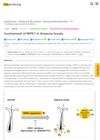
RIPK1 inhibitors might help prevent alopecia areata.
1 citations
,
April 2024 in “Journal of Dermatological Science” 13 citations
,
July 1994 in “PubMed” Keratins K6 and K16 are expressed more freely in regenerating mouse skin than K1 and K10.
 2 citations
,
September 2020 in “Biomedical materials”
2 citations
,
September 2020 in “Biomedical materials” Recombinant keratin materials may better promote skin cell differentiation than natural keratin.
26 citations
,
January 1992 in “Carcinogenesis” TPA strongly increases ODC activity in certain skin cells, potentially aiding tumor growth.
13 citations
,
April 1997 in “Biochemical and Biophysical Research Communications” Insulin-dependent diabetes alters hair's molecular structure, making it useful for studying diabetes effects.
 January 2018 in “bioRxiv (Cold Spring Harbor Laboratory)”
 Auxin helps root hairs grow in high phosphate by affecting ROS and involving RSL2 and RSL4.
November 2025 in “Biomedicines” JAK1 inhibitors can help reduce itchiness in atopic dermatitis.
April 2019 in “Journal of Investigative Dermatology” Y27632 increases cell growth through EGFR signaling, not ROCK1/2.