
mEphA1 receptor tyrosine kinase is important for skin and hair development and may play a role in certain diseases.
 27 citations
,
April 2018 in “Journal of autoimmunity”
27 citations
,
April 2018 in “Journal of autoimmunity” iNKT cells can help prevent and treat alopecia areata by promoting hair regrowth.
May 2020 in “The journal of investigative dermatology/Journal of investigative dermatology” BIVV009 is a safe treatment for bullous pemphigoid that reduces C3 deposition without harmful side effects.
52 citations
,
October 2007 in “Molecular Therapy” Injecting lentiviral vectors into early gestation mice effectively targets skin stem cells for potential gene therapy.
April 2018 in “The journal of investigative dermatology/Journal of investigative dermatology” Esrp1 is important for skin health by helping form and maintain the skin barrier.
39 citations
,
March 2009 in “Dermatology Online Journal” Understanding EGFR roles could lead to new hair loss treatments.
1 citations
,
June 2015 in “Journal of anatomy” A compound named ZCZ90 can increase muscle spindle firing, potentially helping treat muscle spasms and hypertension.
27 citations
,
July 2013 in “Journal of Investigative Dermatology” Revertant cell therapy shows promise for treating type XVII collagen deficiency, but better cell selection methods are needed.
24 citations
,
February 2002 in “The journal of investigative dermatology/Journal of investigative dermatology” Two new proteins, hKAP1.6 and hKAP1.7, are found in the hair follicle cortex.
 April 2026 in “Frontiers in Cell and Developmental Biology”
 CD200- cells in hair follicles have a higher ability to regenerate hair.
 September 2014 in “International Journal of Dermatology and Venereology”
 Certain histamine receptors (H2R, H3R, H4R) have unique roles in treating skin diseases, with H2R helping with chronic urticaria and other conditions, H3R providing pain relief and allergy benefits, and H4R reducing inflammation and itchiness.
 8 citations
,
May 2019 in “Journal of dermatological treatment”
8 citations
,
May 2019 in “Journal of dermatological treatment” Vismodegib is effective for basal cell carcinoma but has severe side effects.
26 citations
,
February 1998 in “DNA and Cell Biology” K6 gene expression can be controlled and manipulated in mice for studying skin disorders.
 June 2025 in “Frontiers in Immunology”
 Anti-Ku antibodies are linked to unique symptoms and may involve autophagy issues.
 August 2013 in “Nature Reviews Drug Discovery”
 New cancer treatments show promise in reducing tumor growth and improving skin regeneration in mice.
10 citations
,
January 2010 in “International journal of trichology” Keratin-associated proteins are part of the developing hair fiber cuticle.
3 citations
,
January 2020 in “Indian Journal of Dermatology” Certain gene variations in the Vitamin D Receptor are linked to higher risk of female hair loss.
7 citations
,
March 2018 in “Development” New imaging technologies help us see how stem cells work in living animals.
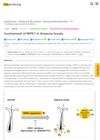
RIPK1 inhibitors might help prevent alopecia areata.
48 citations
,
May 2002 in “Journal of Anatomy” VEGFs increase blood vessel permeability, especially in diseases like cancer and heart disease.
3 citations
,
December 2021 in “Proteins” Wool fiber curliness is linked to the presence of certain proteins and K38.
February 2026 in “Colloids and Surfaces A Physicochemical and Engineering Aspects” JAK inhibitors can enter the skin through hair follicles using a unique pathway.
January 2025 in “eScholarship@McGill (McGill)” Jag2 is essential for proper skin cell differentiation and organization.
September 2025 in “Genes & Diseases” Lgr6+ cells are important for tissue repair and could be a target for treating cancer and other diseases.
28 citations
,
September 2021 in “EMBO reports” Osthole inhibits the TRPV3 channel by binding to specific sites, potentially aiding drug development for skin diseases and cancers.
66 citations
,
June 2001 in “Gastroenterology” The keratin 19 promoter effectively targets genes in specific epithelial cells in mice.
 November 2023 in “Advanced Science”
 A specific hair protein variant increases the spread of breast cancer and is linked to worse survival rates.
September 2019 in “Journal of Investigative Dermatology” EGFR and MEK inhibitors reduce PD-L1 in hair follicles, possibly causing inflammation.
36 citations
,
January 2010 in “Journal of Pediatric Endocrinology and Metabolism” A new gene mutation causes vitamin D resistance and hair loss in two unrelated girls.