 3 citations
,
December 2020 in “Scientific reports”
3 citations
,
December 2020 in “Scientific reports” Mitochondrial problems in tooth cells lead to bad enamel and dentin development in mice.
25 citations
,
April 2008 in “Clinical and experimental dermatology” EFFC might be common but underreported.
65 citations
,
September 2014 in “Orphanet Journal of Rare Diseases” Different STUB1 gene mutations cause varied symptoms in autosomal recessive ataxias.
54 citations
,
October 2007 in “The FASEB Journal” Phospholipase C-δ1 is crucial for normal hair development.
2 citations
,
October 2025 in “Cells” PKM2 is a promising target for heart repair and regeneration.
 37 citations
,
April 2011 in “Journal of Biological Chemistry”
37 citations
,
April 2011 in “Journal of Biological Chemistry” LEF1 interacts with Vitamin D Receptor, affecting hair follicle regeneration and this could be linked to hair loss conditions.
 April 2021 in “Research Square (Research Square)”
 The new cocrystal KET-PABA is a more effective and safe anti-inflammatory treatment for skin conditions in mice.
 April 2016 in “Journal of The American Academy of Dermatology”
 Ixekizumab is effective and safe for patients who did not improve with etanercept treatment for psoriasis.
 April 2023 in “The journal of investigative dermatology/Journal of investigative dermatology”
 Blocking a key energy pathway in human hair follicles can trigger stress responses that stop cell growth.
2 citations
,
January 2025 in “Journal of Nanobiotechnology” A new engineered treatment shows promise in curing heart fibrosis.
 4 citations
,
January 2015 in “Sen'i Gakkaishi”
4 citations
,
January 2015 in “Sen'i Gakkaishi” Hair and wool strength is affected by the number and type of bonds in their protein structures, with hair having more protein aggregates than wool.
59 citations
,
October 2017 in “Proceedings of the National Academy of Sciences” ZIP10 is crucial for skin development and maintaining healthy skin.
 5 citations
,
February 2010 in “Drug development and industrial pharmacy”
5 citations
,
February 2010 in “Drug development and industrial pharmacy” Vesicles made of behenyltrimethylammonium chloride and stearic acid can triple the skin absorption of hinokitiol, which may help with hair growth.
1 citations
,
March 2023 in “Anais Brasileiros de Dermatologia”  11 citations
,
August 2010 in “Developmental neurobiology”
11 citations
,
August 2010 in “Developmental neurobiology” Ptprq has multiple forms that change during inner ear development.
1 citations
,
February 2013 in “InTech eBooks” LEKTI is crucial for skin barrier and immune function, affecting conditions like Netherton syndrome and atopic dermatitis.
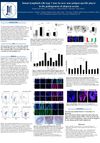
Innate lymphoid cells type 1 may contribute to alopecia areata by damaging hair follicles.
22 citations
,
March 2019 in “The Journal of Cell Biology” The Wave complex controls skin growth by suppressing certain signals.
1 citations
,
January 1989 in “Springer eBooks” 44 citations
,
May 1997 in “Journal of Biological Chemistry” The human keratin 6a gene's specific sequences trigger expression in skin layers after injury.
1 citations
,
April 2017 in “Journal of Investigative Dermatology” ZNF750 and MPZL3 are important in causing seborrheic dermatitis.
449 citations
,
December 2005 in “The Plant Cell” BIK1 gene helps plants resist some pathogens but makes them more vulnerable to others.
November 2025 in “American Journal of Case Reports” Genetic testing is crucial for diagnosing and treating acrodermatitis enteropathica effectively.
5 citations
,
January 1988 Only two of the four keratin genes are expressed in wool fibers.
 81 citations
,
January 2003 in “The FASEB Journal”
81 citations
,
January 2003 in “The FASEB Journal” Follistatin helps hair growth and cycling, while activin prevents it.
22 citations
,
July 2015 in “PloS one” Foxp1 helps control hair stem cell growth and response to stress during hair growth cycles.
87 citations
,
September 2012 in “Journal of Cell Science” Keratins are crucial for tissue strength, and mutations in keratin genes can lead to various diseases, highlighting the need for targeted therapies.
 69 citations
,
January 2013 in “Frontiers in Immunology”
69 citations
,
January 2013 in “Frontiers in Immunology” The FOXN1 gene is crucial for developing immune cells and preventing immune disorders.
 17 citations
,
September 2014 in “PLoS ONE”
17 citations
,
September 2014 in “PLoS ONE” SK2 channels help control sensory signals in rat muscle spindles and hair follicles.
55 citations
,
April 2008 in “Clinical Genetics” A new mutation in the ST14 gene was found in a patient with ARIH syndrome, showing milder symptoms and no tooth issues.