January 2025 in “Fìzìologìčnij žurnal” PDRN may reduce inflammation and complications in revision rhinoplasty for patients with high fibrinogen levels.
 July 2016 in “Cancer Research”
 A topical lotion helped manage hair loss from chemotherapy by affecting cell death, inflammation, and collagen, with no side effects.
 19 citations
,
March 2003 in “Journal of Investigative Dermatology”
19 citations
,
March 2003 in “Journal of Investigative Dermatology” Mechlorethamine treatment regrew hair in mice by killing immune cells causing hair loss without harming hair follicles.
127 citations
,
January 2000 in “Journal of Investigative Dermatology” Cytotoxic T cells cause hair loss in chronic alopecia areata.
56 citations
,
March 2003 in “Journal of Investigative Dermatology” 17β-estradiol can reduce inflammation in the skin.
31 citations
,
October 2002 in “Journal of Investigative Dermatology” IL-10 may worsen alopecia areata instead of helping it.
 October 2025 in “Dermatology Practical & Conceptual”
 Psoriasis patients are more likely to develop alopecia areata due to complex autoimmune interactions.
March 2025 in “The Egyptian Journal of Medical Microbiology” Inflammation is linked to hair loss.
 April 2023 in “Journal of Investigative Dermatology”
 Type 2 inflammation helps wound healing by switching immune cells to repair mode.
April 2019 in “Journal of Investigative Dermatology” The humanized AA mouse model is better for testing new alopecia areata treatments.
 April 2023 in “Journal of Investigative Dermatology”
 Exosomes from certain stem cells can fight hair loss by promoting hair growth and maintaining the growth phase of hair.
463 citations
,
September 2004 in “Clinics in dermatology” Effective acne treatments should reduce sebum, bacteria, and inflammation, with isotretinoin being the best for severe cases.
 1 citations
,
December 2022 in “Current Issues in Molecular Biology”
1 citations
,
December 2022 in “Current Issues in Molecular Biology” Annurca apple extract improved hair growth in mice and could potentially prevent hair loss.
 January 2022 in “Food Science and Technology”
 The herbal mixture could potentially improve hair loss.
March 2022 in “Molecules” Adenosine can help treat hair loss by promoting hair growth.
 March 2026 in “Molecular and Cellular Biomedical Sciences”
 EH-MSCs may help treat hair loss by reducing inflammation.
 343 citations
,
March 2016 in “Nature Communications”
343 citations
,
March 2016 in “Nature Communications” IL-17-producing γδ T cells help improve bone healing.
 49 citations
,
October 2017 in “Nutrients”
49 citations
,
October 2017 in “Nutrients” Equisetum debile extract, especially the ethyl acetate type, may be a promising natural ingredient for anti-hair loss products.
 20 citations
,
December 2019 in “The journal of allergy and clinical immunology/Journal of allergy and clinical immunology/The journal of allergy and clinical immunology”
20 citations
,
December 2019 in “The journal of allergy and clinical immunology/Journal of allergy and clinical immunology/The journal of allergy and clinical immunology” Blocking IL-12/IL-23 does not help with hair loss in alopecia areata for mice or humans.
 5 citations
,
June 2022 in “Frontiers in immunology”
5 citations
,
June 2022 in “Frontiers in immunology” Increasing Treg cells in the skin does not cure hair loss from alopecia areata in mice.
 December 2023 in “International journal of multidisciplinary research and analysis”
 SH-MSCs gel can effectively treat alopecia by increasing IL-10 and decreasing TNF-α gene expression.
 59 citations
,
June 2023 in “Nature Aging”
59 citations
,
June 2023 in “Nature Aging” Blocking IL-17 signaling may reduce skin inflammation and delay aging.
 7 citations
,
September 2020 in “Frontiers in Cell and Developmental Biology”
7 citations
,
September 2020 in “Frontiers in Cell and Developmental Biology” IL-36α helps grow new hair follicles and speeds up wound healing.
 4 citations
,
May 2021 in “Biomedicines”
4 citations
,
May 2021 in “Biomedicines” Targeting the protein Caveolin-1 might help treat a type of scarring hair loss called Frontal Fibrosing Alopecia.
 December 2025 in “Cureus”
 Higher IL-17A and IL-23 levels are linked to alopecia areata severity and could help in tracking and treating the disease.
 March 2023 in “Clinical, cosmetic and investigational dermatology”
 IL-33 is linked to hair follicle damage in psoriasis and could be a treatment target for hair loss in this condition.
 176 citations
,
August 2015 in “The journal of allergy and clinical immunology/Journal of allergy and clinical immunology/The journal of allergy and clinical immunology”
176 citations
,
August 2015 in “The journal of allergy and clinical immunology/Journal of allergy and clinical immunology/The journal of allergy and clinical immunology” Alopecia areata involves immune activation in the scalp, suggesting treatments targeting TH1, TH2, and IL-23 pathways.
 140 citations
,
March 2013 in “The journal of immunology/The Journal of immunology”
140 citations
,
March 2013 in “The journal of immunology/The Journal of immunology” Memory regulatory T cells need IL-7, not IL-2, to stay in peripheral tissues.
 August 2024 in “Qucosa (Saxon State and University Library Dresden)”
 White fat tissue in the skin helps control inflammation by affecting certain immune cells.
 68 citations
,
November 2015 in “The Journal of Allergy and Clinical Immunology”
68 citations
,
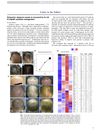
November 2015 in “The Journal of Allergy and Clinical Immunology” Blocking IL-12/IL-23p40 helped reverse severe hair loss in patients.