 May 2026 in “Journal of Neurosciences in Rural Practice”
 Tofacitinib may cause nerve damage in the brain, so monitor for neurological symptoms.
January 2026 in “Experimental Dermatology” Keratinocytes contribute to hidradenitis suppurativa by causing inflammation and worsening the condition.
 June 2024 in “Computational and Structural Biotechnology Journal”
 Multi-omics techniques help understand the molecular causes of androgenetic alopecia.
May 2024 in “International Journal of Molecular Sciences” Mouse hair follicle stem cells can help prevent Type 1 Diabetes.
Early genetic testing and new therapies like secukinumab are crucial for managing Netherton syndrome effectively.
17 citations
,
June 2022 in “Frontiers in Nutrition” Fermented mushroom extract reduces intestinal inflammation in mice.
IL-36α helps in growing new hair follicles when healing wounds, potentially aiding in hair growth.
101 citations
,
July 1998 in “Journal of Investigative Dermatology” UVB exposure in human skin causes macrophages to produce more IL-10 and less IL-12, leading to immunosuppression.
14 citations
,
July 2007 in “Lupus” Multiple pregnancies prevent skin disease but worsen kidney disease in certain mice.
33 citations
,
January 1997 in “Journal of Investigative Dermatology” Interleukin-1β stops hair growth by increasing cyclic AMP levels.
9 citations
,
September 2024 in “Journal of Clinical Medicine” Hidradenitis suppurativa is linked to autoinflammation and immune system issues.
2 citations
,
September 2024 in “Pharmaceuticals” Human placenta hydrolysate reduces inflammatory pain and nerve damage in mice.

Proretinal nanoparticles are a safe and effective way to deliver retinal to the skin.
5 citations
,
September 2024 in “Biomolecules and Biomedicine” Total glucosides of paeony may help treat alopecia areata by reducing inflammation and hair loss.
127 citations
,
January 2000 in “Journal of Investigative Dermatology” Cytotoxic T cells cause hair loss in chronic alopecia areata.
90 citations
,
February 2001 in “The journal of investigative dermatology/Journal of investigative dermatology” Interleukin-1 increases keratin K6 production in skin cells.
31 citations
,
October 2002 in “Journal of Investigative Dermatology” IL-10 may worsen alopecia areata instead of helping it.
 19 citations
,
March 2003 in “Journal of Investigative Dermatology”
19 citations
,
March 2003 in “Journal of Investigative Dermatology” Mechlorethamine treatment regrew hair in mice by killing immune cells causing hair loss without harming hair follicles.
 16 citations
,
January 2018 in “International Journal of Trichology”
16 citations
,
January 2018 in “International Journal of Trichology” Minoxidil may help treat hair loss by reducing inflammation-related gene activity in skin cells.
Aging disrupts skin repair and stress responses, but exercise-related IL-15 improves wound healing and skin health in older skin.
 6 citations
,
August 2013 in “Fertility and Sterility”
6 citations
,
August 2013 in “Fertility and Sterility” Eating cream can increase ovarian androgen production in women with Polycystic Ovary Syndrome, which is not related to obesity.
 August 2013 in “Fertility and Sterility”
 High levels of fatty acids are linked to increased androgen production and inflammation in women with PCOS, which may affect IVF outcomes.
 68 citations
,
November 2015 in “The Journal of Allergy and Clinical Immunology”
68 citations
,
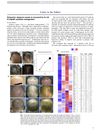
November 2015 in “The Journal of Allergy and Clinical Immunology” Blocking IL-12/IL-23p40 helped reverse severe hair loss in patients.
 49 citations
,
October 2017 in “Nutrients”
49 citations
,
October 2017 in “Nutrients” Equisetum debile extract, especially the ethyl acetate type, may be a promising natural ingredient for anti-hair loss products.
 August 2024 in “Qucosa (Saxon State and University Library Dresden)”
 White fat tissue in the skin helps control inflammation by affecting certain immune cells.
 July 2024 in “Egyptian Journal of Medical Human Genetics”
 These gene variations are not linked to alopecia areata in Egyptians.
 December 2023 in “Research Square (Research Square)”
 These specific gene polymorphisms are not linked to Alopecia Areata in Egyptians.
 December 2023 in “International journal of multidisciplinary research and analysis”
 SH-MSCs gel can effectively treat alopecia by increasing IL-10 and decreasing TNF-α gene expression.
 March 2023 in “Clinical, cosmetic and investigational dermatology”
 IL-33 is linked to hair follicle damage in psoriasis and could be a treatment target for hair loss in this condition.
 12 citations
,
December 2017 in “Food and chemical toxicology”
12 citations
,
December 2017 in “Food and chemical toxicology” Permanent hair dye mixtures can irritate and damage the skin.