19 citations
,
August 2023 in “Journal of Dermatological Treatment” Abrocitinib may effectively treat stubborn alopecia universalis.
 May 2017 in “Journal of The American Academy of Dermatology”
 LED light helps human hair root cells grow and move by activating certain cell pathways.
 May 2017 in “Journal of The American Academy of Dermatology”
 LED light helps human hair root cells grow and prevents them from dying by activating specific growth pathways.
December 2017 in “Annales de dermatologie et de vénéréologie” In 2017, pediatric dermatology advanced with new treatments and insights into various skin conditions in children.
36 citations
,
December 2014 in “F1000 prime reports” The document concludes that Hidradenitis suppurativa is often underdiagnosed, lacks definitive treatment, and requires better awareness and management strategies.
 21 citations
,
July 2022 in “Orphanet journal of rare diseases”
21 citations
,
July 2022 in “Orphanet journal of rare diseases” New treatments for ichthyosis, like protein replacement and gene therapy, show promise and may become standard care.
August 2022 in “Journal of Investigative Dermatology” Baricitinib reduces inflammation and mitochondrial damage in skin cells.
August 2025 in “JEADV Clinical Practice” Dupilumab successfully treated a woman's alopecia areata and bullous pemphigoid, leading to full hair regrowth and symptom resolution.
6 citations
,
October 2021 in “Brain Sciences” Dutasteride may help reduce brain inflammation and improve cognition.
5 citations
,
July 2017 in “Molecular Medicine Reports” Lygodium japonicum spores can reduce inflammation by blocking certain cell signals.
 December 2022 in “Sudan Journal of Medical Sciences”
 Vaccination is the most effective way to reduce COVID-19 transmission.
3 citations
,
October 2018 in “Journal of Mind and Medical Sciences” Biological therapy boosts the immune system to effectively fight melanoma.
 49 citations
,
October 2017 in “Nutrients”
49 citations
,
October 2017 in “Nutrients” Equisetum debile extract, especially the ethyl acetate type, may be a promising natural ingredient for anti-hair loss products.
 December 2023 in “International journal of multidisciplinary research and analysis”
 SH-MSCs gel reduced IL-6 and increased TGF-β, suggesting it could treat alopecia.
 7 citations
,
December 2017 in “Anais da Academia Brasileira de Ciências”
7 citations
,
December 2017 in “Anais da Academia Brasileira de Ciências” 6-Gingerol from ginger may slow down hair growth by affecting certain enzymes and growth factors.
IL6 is linked to higher risk of heart disease in people with a certain mouth condition.
 3 citations
,
June 2025 in “Archives of Dermatological Research”
3 citations
,
June 2025 in “Archives of Dermatological Research” Biologics and JAK inhibitors may improve treatment for scarring alopecias.
 2 citations
,
February 2018 in “InTech eBooks”
2 citations
,
February 2018 in “InTech eBooks” TNF-alpha inhibitors can cause various immune-related skin issues.
 August 1994 in “Journal of dermatological science”
 Cyclosporin A and FK506 can start new hair growth in mice, but ascomycin and rapamycin cannot.
 32 citations
,
June 2012 in “PLoS ONE”
32 citations
,
June 2012 in “PLoS ONE” Blocking IL-8 can reduce skin rashes from cancer treatment.
 23 citations
,
January 2001 in “Chemical & Pharmaceutical Bulletin”
23 citations
,
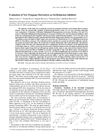
January 2001 in “Chemical & Pharmaceutical Bulletin” New pregnane derivatives are effective at inhibiting an enzyme linked to hair loss and reducing oil gland activity.
2 citations
,
December 2024 in “Journal of Dermatological Treatment” IL-23 inhibitors may help treat other skin conditions, but more research is needed.
 April 2026 in “Dermatology and Therapy”
 TNFα inhibitors are effective and well-tolerated for treating severe scalp cellulitis.
 63 citations
,
May 2011 in “Clinical cancer research”
63 citations
,
May 2011 in “Clinical cancer research” The topical inhibitor CUR61414 was not effective in treating basal cell carcinoma in human trials.
 October 2025 in “Records of Natural Products”
 Kaempferol promotes hair growth and could be a natural treatment for hair loss.
6 citations
,
October 2021 in “Biomedical Research and Therapy” Alopecia areata patients have higher levels of IL-6 and TNF-α.
 April 2021 in “Journal of Investigative Dermatology”
 Bacteria can help skin regenerate through a process called IL-1β signaling.
 April 2016 in “Journal of Investigative Dermatology”
 A peptide known for reducing wrinkles also effectively inhibits an enzyme linked to skin inflammation and acne.
July 2025 in “Journal of Investigative Dermatology” 
The treatment was ineffective in humans.