 November 2023 in “Aktualʹnì problemi sučasnoï medicini”
 The guidelines suggest using various treatments, including antidepressants and steroids, for alopecia areata and discuss the condition's genetic and immune aspects.
Cytokine therapy is promising for treating skin conditions like vitiligo and psoriasis.
September 2019 in “Journal of Investigative Dermatology” Innate lymphoid cells type 1 may contribute to alopecia areata.
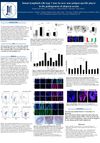
Innate lymphoid cells type 1 may contribute to alopecia areata by damaging hair follicles.
4 citations
,
May 2025 in “The Journal of Immunology” New treatments for atopic dermatitis and alopecia areata have been developed using a targeted approach.
69 citations
,
July 2002 in “Clinical and Experimental Dermatology” Alopecia areata is influenced by genetics and immune system factors, and better understanding could improve treatments.
18 citations
,
July 2013 in “Journal of Leukocyte Biology” Nonimmunogenic forms of keratins K71 and K31 can delay and prevent alopecia areata.
 16 citations
,
April 1984 in “Archives of Dermatology”
16 citations
,
April 1984 in “Archives of Dermatology” Topical minoxidil can help hair regrowth in alopecia areata patients, but maintaining the growth after stopping treatment is inconsistent.
2 citations
,
December 2011 in “[Thesis]. Manchester, UK: The University of Manchester; 2011.” Immune system failure in hair follicles causes lichen planopilaris, leading to hair loss.
 1 citations
,
August 2022 in “Piel”
1 citations
,
August 2022 in “Piel” Certain skin symptoms in COVID-19 patients may indicate a more severe illness.
November 2025 in “The Journal of Immunology” The S1PR 1&4 modulator may effectively treat alopecia areata by reducing hair loss and immune cell activity.
July 2025 in “Journal of Investigative Dermatology” Discoid lupus erythematosus involves immune activation and fibrosis around hair follicles, with shared pathways across humans, dogs, and mice, suggesting potential treatments for both humans and animals.
 September 2023 in “Drugs in context”
 Baricitinib is a promising treatment for alopecia areata.
 May 2019 in “Australasian Journal of Dermatology”
 The conclusion is that managing hair loss conditions like FFA and melanoma requires individualized approaches, considering new findings and balancing treatment benefits with potential risks.
March 2026 in “Expert Opinion on Pharmacotherapy” JAK inhibitors are effective for severe alopecia areata but need better strategies for long-term use and personalized treatment.
 127 citations
,
January 2015 in “Journal of Biological Rhythms”
127 citations
,
January 2015 in “Journal of Biological Rhythms” The skin's internal clock affects healing, cancer risk, aging, immunity, and hair growth, and disruptions can harm skin health.
8 citations
,
January 2025 in “Cell Transplantation” MSC-derived EVs show promise for therapy, but production and understanding need improvement.
8 citations
,
April 2024 in “The Journal of Dermatology” Neurogenic inflammation may play a role in hair loss in alopecia areata.
 2 citations
,
December 2007 in “Expert Review of Dermatology”
2 citations
,
December 2007 in “Expert Review of Dermatology” The document concludes that early diagnosis and treatment are key for pediatric hair loss disorders, and addressing the emotional effects on children is important.
 82 citations
,
June 2020 in “Inflammation Research”
82 citations
,
June 2020 in “Inflammation Research” Skin problems in COVID-19 patients are rare and may be due to the body's complex immune response or blood clotting issues.
 56 citations
,
January 2021 in “Clinical and Experimental Medicine”
56 citations
,
January 2021 in “Clinical and Experimental Medicine” The document concludes that while there are various treatments for Alopecia Areata, there is no cure, and individualized treatment plans are essential due to varying effectiveness.
24 citations
,
July 2021 in “Pharmaceutics” Ruxolitinib cream effectively targets and treats inflammatory skin diseases.
 2 citations
,
August 2022 in “JAAD case reports”
2 citations
,
August 2022 in “JAAD case reports” COVID-19 vaccines may rarely worsen hair loss in people with severe alopecia, but the benefits of vaccination still outweigh this risk.
 March 2025 in “JEADV Clinical Practice”
 People with primary scarring alopecia have higher risks of other health issues like vitamin D deficiency and thyroid disease.
 December 2024 in “Pharmaceutics”
 Extracellular vesicles show promise for treating psoriasis by reducing inflammation and skin lesions.
 November 2022 in “Journal of Education, Health and Sport”
 The skin's bacteria might influence the development of a hair loss condition called alopecia areata.
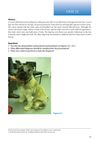 May 2019 in “Small Animal Dermatology”
 The dog had sebaceous adenitis, treated with ciclosporin, leading to some hair regrowth.
 December 2013 in “Research Portal (King's College London)”
 Hair loss in Lichen Planopilaris is caused by immune system issues damaging hair follicles and stem cells.
 24 citations
,
January 2008 in “KARGER eBooks”
24 citations
,
January 2008 in “KARGER eBooks” The document concludes that ongoing research using animal models is crucial for better understanding and treating Alopecia Areata.
 426 citations
,
August 2014 in “Nature Medicine”
426 citations
,
August 2014 in “Nature Medicine” Skin stem cells interacting with their environment is crucial for maintaining and regenerating skin and hair, and understanding this can help develop new treatments for skin and hair disorders.