 August 2023 in “Iranian Journal of Clinical Infectious Diseases”
 Most skin issues were due to COVID-19, with some caused by vaccines or treatments, and were categorized into five types.
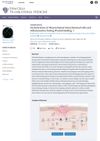 July 2023 in “Stem Cells Translational Medicine”
 Mesenchymal Stem/Stromal Cells (MSCs) help in wound healing and tissue regeneration, but can also contribute to tumor growth. They show promise in treating chronic wounds and certain burns, but their full healing mechanisms and potential challenges need further exploration.
 May 2023 in “Frontiers in Immunology”
 Treg cell-based therapies might help treat hair loss from alopecia areata, but more research is needed to confirm safety and effectiveness.
 April 2023 in “Dentistry”
 Baby teeth stem cells can potentially grow organs and treat diseases.
 April 2023 in “Clinical Chemistry and Laboratory Medicine”
 The document concludes that inflammation markers can be used in diabetes, vitamin D3 affects immune pathways, hyperthyroidism changes hormone levels, androgen levels help diagnose Adrenocortical Carcinoma, erectile dysfunction is linked to diabetes, hypogonadism is common in HIV-infected males, and hormones can be biomarkers for various conditions.
 May 2022 in “Liver transplantation”
 The document explains how the immune system reacts to organ transplants and the treatments used to prevent rejection.
January 2016 in “Faculty of 1000 Research Ltd” Glycans play a crucial role in regulating hair growth and follicle balance.
January 2016 in “Faculty of 1000 Research Ltd” Glycans play a crucial role in regulating hair growth and follicle balance.
December 2008 in “Annales de Dermatologie et de Vénéréologie” Recent dermatological research highlights include new virus discoveries, genetic links to skin conditions, and insights into skin healing and pigmentation.
278 citations
,
May 2013 in “Ca” Targeted anticancer therapies can cause severe side effects similar to traditional chemotherapy, but with different types.
143 citations
,
January 2004 in “Journal of Investigative Dermatology Symposium Proceedings” Alopecia areata is an autoimmune disease causing hair loss, treatable with immune-modulating drugs, and linked to genetics.
 73 citations
,
April 2019 in “Experimental Dermatology”
73 citations
,
April 2019 in “Experimental Dermatology” The scalp's microorganisms significantly affect hair health and disease.
62 citations
,
January 2015 in “Journal of Dermatological Science” New genetic discoveries may lead to better treatments for alopecia areata.
54 citations
,
September 2012 in “The journal of investigative dermatology/Journal of investigative dermatology” Vitamin A affects hair loss and immune response in alopecia areata.
49 citations
,
November 2021 in “Annual review of pathology” Lysophospholipids like LPA and S1P are important for hair growth, immune responses, and vascular development, and could be targeted for treating diseases.
 39 citations
,
August 2021 in “JAAD International”
39 citations
,
August 2021 in “JAAD International” COVID-19 patients often experience hair loss and scalp pain, which may be related to the severity of their infection and treatment drugs.
31 citations
,
November 2020 in “International journal of molecular sciences” Adipokines affect skin health and could be targeted for treating skin diseases.
29 citations
,
July 2013 in “Journal of Investigative Dermatology” UV radiation causes skin cancer, but sunscreens and certain drugs can help prevent it.
26 citations
,
April 2024 in “Particle and Fibre Toxicology” Nanoplastics can penetrate skin cells, triggering inflammation and immune responses.
24 citations
,
November 2023 in “International Journal of Molecular Sciences” PRP and ADSC therapies show promise in improving symptoms of genital lichen sclerosus with minimal side effects.
22 citations
,
January 2009 in “Advances in experimental medicine and biology” FOXN1 mutations cause severe immunodeficiency, hair loss, nail issues, and thymus defects.
 21 citations
,
July 2022 in “Orphanet journal of rare diseases”
21 citations
,
July 2022 in “Orphanet journal of rare diseases” New treatments for ichthyosis, like protein replacement and gene therapy, show promise and may become standard care.
20 citations
,
July 2017 in “Journal of Investigative Dermatology” IL-1 receptor absence in mice leads to skin cysts and changes in immune response after UVB exposure.
18 citations
,
October 2024 in “Medical Science Monitor” Improving skin barrier function is crucial for better acne treatment.
16 citations
,
January 2022 in “International journal of molecular sciences” Certain daily habits like stress, diet, and sleep can affect the severity of hair loss in alopecia areata.
 15 citations
,
January 2020 in “Experimental Dermatology”
15 citations
,
January 2020 in “Experimental Dermatology” The document concludes that understanding and treatments for alopecia areata have significantly advanced, now recognizing it as an autoimmune disorder.
15 citations
,
April 2016 in “Medicine” SLE patients with Evans syndrome often show blood issues and need careful monitoring and treatment.
12 citations
,
November 2024 in “Burns & Trauma” Neuroregulation is crucial for skin wound healing and can be targeted to improve recovery.
9 citations
,
May 2023 in “Stem Cell Research & Therapy” Stem cell treatment from umbilical cords reduces symptoms of atopic dermatitis and may help hair growth.
9 citations
,
May 2022 in “Frontiers in Cellular Neuroscience” Mesenchymal stromal cell therapies show promise for treating various diseases but need more research and standardization.