July 2020 in “DOAJ (DOAJ: Directory of Open Access Journals)” Excessive sun protection might contribute to frontal fibrosing alopecia.
September 2019 in “Journal of Investigative Dermatology” EGFR and MEK inhibitors reduce PD-L1 in hair follicles, possibly causing inflammation.
November 2018 in “Journal of Investigative Dermatology” Lichen Planopilaris causes irreversible hair loss due to immune attacks on hair stem cells, but modulating PPAR-γ might help treat it.
 May 2018 in “White Rose eTheses Online (University of Leeds, The University of Sheffield, University of York)”
 Alopecia areata may be treated by using EGCG to balance immune cells and reduce inflammation.
 April 2018 in “The journal of investigative dermatology/Journal of investigative dermatology”
 miR-486 may help prevent hair loss in alopecia areata.
 April 2018 in “The journal of investigative dermatology/Journal of investigative dermatology”
 Electrical epilation damages hair follicles and surrounding skin, likely preventing hair regrowth.
 April 2017 in “Journal of Investigative Dermatology”
 Certain microRNAs may protect against hair loss in alopecia areata and could be potential treatment targets.
New treatments for alopecia areata, like JAK inhibitors and immunomodulators, are promising.
No cure exists for alopecia areata; treatments aim to manage symptoms.
 December 2013 in “Research Portal (King's College London)”
 Hair loss in Lichen Planopilaris is caused by immune system issues damaging hair follicles and stem cells.
August 2006 in “Experimental dermatology” Neurotrophins are important for hair growth and response to stress.
September 2004 in “Experimental Dermatology” Stress and certain chemicals affect hair growth by interacting with the immune and nervous systems.
 January 2000 in “BioScience”
 The document concludes that understanding hair biology is key to treating hair disorders, with gene therapy showing potential as a future treatment.
January 2026 in “Dermatologic Therapy” Current models for studying alopecia are inadequate, and more human-like systems are needed.
 November 2023 in “Aktualʹnì problemi sučasnoï medicini”
 The guidelines suggest using various treatments, including antidepressants and steroids, for alopecia areata and discuss the condition's genetic and immune aspects.
November 2022 in “Journal of Investigative Dermatology” Mitochondrial stress can lead to atopic dermatitis.
November 2022 in “Journal of Investigative Dermatology” ILC1-like cells can cause alopecia areata by themselves.
ILC1-like cells can independently cause alopecia areata by affecting hair follicles.
October 2021 in “The journal of investigative dermatology/Journal of investigative dermatology” The new aptamer TAGX-0003 shows promise as an effective treatment for hair loss disorder alopecia areata.
September 2019 in “Journal of Investigative Dermatology” Innate lymphoid cells type 1 may contribute to alopecia areata.
 December 2012 in “Journal of dermatological science”
 Langerhans cells and melanocytes migrate to the skin and hair follicles during early human development.
 January 2011 in “International Journal of Trichology”
 The conference highlighted new diagnostic tools, the role of genetics in hair loss, and emerging treatments.
9 citations
,
April 2020 in “Journal of Cosmetic Dermatology” Immune checkpoint inhibitors can cause scalp inflammation and hair follicle issues.
37 citations
,
December 2001 in “Journal of Investigative Dermatology” Leptin may play a role in hair growth and hair follicle health.
 159 citations
,
December 2007 in “American Journal of Pathology”
159 citations
,
December 2007 in “American Journal of Pathology” Stress-related substance P may lead to hair loss and negatively affect hair growth.
69 citations
,
July 2002 in “Clinical and Experimental Dermatology” Alopecia areata is influenced by genetics and immune system factors, and better understanding could improve treatments.
2 citations
,
November 2024 in “JAAD Case Reports” Anti-PD-L1 immunotherapy can cause hair loss and unexpected hair color change, but treatment can restore hair growth and color.
 1 citations
,
January 2017 in “Springer eBooks”
1 citations
,
January 2017 in “Springer eBooks” Understanding the immune-related causes of Alopecia Areata has led to potential treatments like JAK inhibitors.
 April 2023 in “The journal of investigative dermatology/Journal of investigative dermatology”
 People with alopecia areata have fewer IL-10 producing immune cells, which might contribute to the condition.
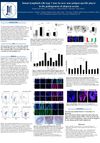
Innate lymphoid cells type 1 may contribute to alopecia areata by damaging hair follicles.