 May 2022 in “Liver transplantation”
 The document explains how the immune system reacts to organ transplants and the treatments used to prevent rejection.
 2 citations
,
September 2022 in “Frontiers in Immunology”
2 citations
,
September 2022 in “Frontiers in Immunology” T-regulatory cells are important for skin health and can affect hair growth and reduce skin inflammation.
 July 2023 in “Stem Cells Translational Medicine”
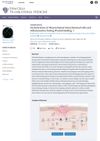
 Mesenchymal Stem/Stromal Cells (MSCs) help in wound healing and tissue regeneration, but can also contribute to tumor growth. They show promise in treating chronic wounds and certain burns, but their full healing mechanisms and potential challenges need further exploration.
 23 citations
,
December 2021 in “Frontiers in Immunology”
23 citations
,
December 2021 in “Frontiers in Immunology” IL-1 family cytokines are crucial for skin defense and healing, but their imbalance can cause skin diseases.
 11 citations
,
August 2023 in “Burns”
11 citations
,
August 2023 in “Burns” Nerve growth factor helps improve healing time and scar quality in burn wounds.
245 citations
,
October 2015 in “Nature medicine” Hair follicle-derived IL-7 and IL-15 are crucial for maintaining skin-resident memory T cells and could be targeted for treating skin diseases and lymphoma.
25 citations
,
November 2020 in “Cell Reports Medicine” Developing human skin has immune cells with memory-like features.
 14 citations
,
June 2017 in “Immunity”
14 citations
,
June 2017 in “Immunity” Special immune cells called Treg cells are important for maintaining and regenerating hair by activating a specific growth signal in hair stem cells.
8 citations
,
February 2025 in “Cell Systems” Engineered bacteria can deliver antioxidants to protect skin.
 3 citations
,
January 2022 in “Journal of The American Academy of Dermatology”
3 citations
,
January 2022 in “Journal of The American Academy of Dermatology” Using sunscreen and moisturizers may increase the chance of developing Frontal fibrosing alopecia (FFA), but the exact reason why is still unclear.
2 citations
,
September 2025 in “International Journal of Nanomedicine” Extracellular vesicles can help treat skin issues like wounds, hair loss, aging, and inflammation.
2 citations
,
May 2020 in “Research Square (Research Square)” Stem cells from diabetic mice can still help heal wounds effectively.

γδTregs may help treat autoimmune diseases like alopecia areata by promoting hair regrowth and reducing immune attacks.
 April 2023 in “The journal of investigative dermatology/Journal of investigative dermatology”
 Melanocytes are cells that make skin and hair color and help protect skin from sun damage.
March 2020 in “Research Square (Research Square)” Type 2 diabetic stem cells can still help heal wounds effectively.
April 2019 in “Journal of Investigative Dermatology” Gut microbiota influences the development of alopecia areata.
February 2026 in “Molecular and Cellular Probes” Stem cell and plant exosomes may help heal and regenerate skin.
January 2021 in “Elsevier eBooks” hiPSCs can help regenerate hair follicles and treat hair loss.
54 citations
,
May 2021 in “International Journal of Molecular Sciences” Advances in mechanobiology and immunology could lead to scarless wound healing.
26 citations
,
May 2020 in “JCI Insight” Alopecia areata involves specific immune cells, offering potential treatment targets.
5 citations
,
June 2012 in “Journal of Investigative Dermatology” A new mouse model for vitiligo helps study immune responses and potential treatments.
2 citations
,
July 2024 in “Skin Research and Technology” Copper may protect against alopecia areata, while certain inflammatory markers increase risk.
106 citations
,
January 2013 in “Clinical and Developmental Immunology” Alopecia areata is caused by immune system attacks on hair follicles, often triggered by viral infections.
 45 citations
,
October 2008 in “Cytokine & Growth Factor Reviews”
45 citations
,
October 2008 in “Cytokine & Growth Factor Reviews” Activins and follistatins, part of the TGFβ family, are crucial for hair follicle development and skin health, affecting growth, repair, and the hair cycle.
8 citations
,
November 2018 in “BMC Pulmonary Medicine” A 70-year-old woman with bronchiectasis developed a rare immune disease due to a bacterial infection, requiring a difficult balance of treatments.
1 citations
,
September 2024 in “Journal of the American Academy of Dermatology” Farudodstat may effectively treat alopecia areata without harmful side effects.
 1 citations
,
October 2019 in “مجله كليه طب الكندي”
1 citations
,
October 2019 in “مجله كليه طب الكندي” Dapsone gel 5% is effective and safe for treating acne.
February 2026 in “Biomaterials” BOOST is a promising, easy-to-use treatment for diabetic foot ulcers that improves healing by reducing inflammation and promoting blood vessel growth.
 March 2024 in “Indian Journal of Dermatology/Indian journal of dermatology”
 Exosomes could be key in treating skin conditions and healing wounds.
August 2017 in “Journal of the Dermatology Nurses' Association” Latisse (bimatoprost 0.03%) is widely used in dermatology but the document doesn't give detailed evidence or numbers.