 21 citations
,
January 2024 in “Science Immunology”
21 citations
,
January 2024 in “Science Immunology” Regulatory T cells protect hair follicle stem cells by maintaining immune privilege in the skin.
 15 citations
,
December 2021 in “Nature Communications”
15 citations
,
December 2021 in “Nature Communications” Androgens in female meerkats influence aggression and dominance, affecting social dynamics and offspring behavior.
 May 2025 in “Science Advances”
 PIEZO1 helps keep hair follicle stem cells inactive, affecting hair growth.
 63 citations
,
March 2016 in “International Journal of Molecular Sciences”
63 citations
,
March 2016 in “International Journal of Molecular Sciences” Children with atopic dermatitis often have sleep problems due to itching and may benefit from melatonin, which helps with sleep and skin symptoms.
June 2025 in “International Journal of Molecular Sciences” LncRNAs play a crucial role in muscle regulation and could help develop treatments for Duchenne muscular dystrophy.
 January 2025 in “American Journal of Translational Research”
 Erianin may effectively treat alopecia areata by targeting the immune system.
 163 citations
,
April 2019 in “Nature Communications”
163 citations
,
April 2019 in “Nature Communications” Mechanical stretching of the skin can promote hair growth by activating certain immune cells.
November 2025 in “Journal of Investigative Dermatology” 5 citations
,
August 2024 in “Frontiers in Immunology” Upadacitinib effectively treats psoriasiform eczema and some related conditions.
 July 2026 in “Frontiers in Immunology”
 Targeting protein lactylation may improve skin disease treatments.
 129 citations
,
November 2005 in “Internal Medicine Journal”
129 citations
,
November 2005 in “Internal Medicine Journal” Early detection and intensive treatment of diseases caused by Staphylococcus aureus toxins are crucial for reducing severe health effects.
15 citations
,
June 2021 in “Journal of Genetic Engineering and Biotechnology” Biomaterials can improve non-viral gene delivery by enhancing DNA uptake and reducing toxicity.
 82 citations
,
June 2020 in “Inflammation Research”
82 citations
,
June 2020 in “Inflammation Research” Skin problems in COVID-19 patients are rare and may be due to the body's complex immune response or blood clotting issues.
 10 citations
,
May 2020 in “Dermatology Research and Practice”
10 citations
,
May 2020 in “Dermatology Research and Practice” Proteoglycans are important for hair growth, and a specific treatment can help reduce hair loss.
June 2025 in “Academic Medical Journal” Restoring hair follicle immune privilege may help treat alopecia areata.
28 citations
,
June 2021 in “Frontiers in immunology” A protein called lfTSLP is important in causing allergic and other skin diseases and could be a target for treatment.
 August 2025 in “Plastic and Aesthetic Research”
 Microneedling can effectively treat hair loss and works well with other treatments, but more research is needed.
35 citations
,
October 2014 in “Wound Repair and Regeneration” The model helps understand scar contraction and develop new treatments.
4 citations
,
August 2024 in “Journal of Clinical Medicine” COVID-19 mRNA vaccines may increase the risk of flare-ups in certain inflammatory diseases.
35 citations
,
June 2012 in “PloS one” Keratin 15 expression in skin cells is regulated by two mechanisms involving PKC/AP-1 and FOXM1.
52 citations
,
May 2011 in “APOPTOSIS” Hydroxyl radicals cause hair follicle cell death during chemotherapy by reducing Bcl-2 protein levels.
 July 2023 in “Journal of Biomedical Science”
 Different people show different symptoms for genetic diseases because of how sensitive their bodies are to small changes in important factors.
November 2025 in “Journal of Investigative Dermatology” Dithranol reduces inflammation in alopecia areata by lowering certain immune responses.
July 2024 in “Journal of Investigative Dermatology” Allergic contact dermatitis may promote hair growth by activating hair follicle stem cells.
 23 citations
,
June 2003 in “Journal of Investigative Dermatology Symposium Proceedings”
23 citations
,
June 2003 in “Journal of Investigative Dermatology Symposium Proceedings” Alopecia Areata is an autoimmune disease affecting hair follicles, influenced by genetic and environmental factors, with rodent models being essential for research.
 290 citations
,
December 2017 in “Journal of The American Academy of Dermatology”
290 citations
,
December 2017 in “Journal of The American Academy of Dermatology” Alopecia areata is an autoimmune condition causing hair loss, influenced by genetics, stress, and diet, and may be prevented by a high soy oil diet.
 150 citations
,
October 2010 in “The American Journal of Pathology”
150 citations
,
October 2010 in “The American Journal of Pathology” The document concludes that more research is needed to better understand and treat primary cicatricial alopecias, and suggests a possible reclassification based on molecular pathways.
April 2026 in “Cytotherapy” Immune activation of hair follicle stem cells can help develop new hair regeneration therapies.
 14 citations
,
January 1985 in “International Journal of Dermatology”
14 citations
,
January 1985 in “International Journal of Dermatology” The cause of alopecia areata was unknown, and while various treatments existed, no best treatment was agreed upon.
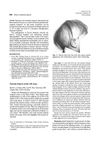 8 citations
,
October 1989 in “Journal of the American Academy of Dermatology”
8 citations
,
October 1989 in “Journal of the American Academy of Dermatology” A 5-year-old boy's seasonal hair loss is linked to his allergies.