 October 2025 in “Indian Journal of Plastic Surgery”
 Stem cells show promise in anti-aging and reconstructive surgery, but more research is needed.

New peptides can delay aging and improve cell function.
 October 2025 in “Clinical Cosmetic and Investigational Dermatology”
 Targeting specific cell interactions may help treat skin fibrosis.
 September 2025 in “Clinical Cosmetic and Investigational Dermatology”
 Exosome therapy shows promise for hair growth with minimal side effects, but more research is needed.
 September 2025 in “Drug Design Development and Therapy”
 Combining platelet-rich products, biomaterials, and bioactive substances may improve skin treatment, but more research is needed.
 August 2025 in “Frontiers in Pharmacology”
 [6]-Gingerdiol 3-monoacetate shows promise for treating T. whipplei infections.
 August 2025 in “BMC Pregnancy and Childbirth”
 A new EDA gene variant causes X-linked hypohidrotic ectodermal dysplasia in a Chinese family.
 July 2025 in “Journal of medical & health sciences review.”
 Ultrasound-assisted gene therapy could revolutionize tissue regeneration by improving gene delivery.
 July 2025 in “International Journal of Dermatology Venereology and Leprosy Sciences”
 The human amniotic membrane is a promising material for skin treatments and hair growth.
 May 2025 in “Life Studies”
 Lung cancer patients on immunotherapy and chemotherapy often experience severe fatigue, drowsiness, and appetite loss.
 May 2025 in “Galen Medical Journal”
 New targeted therapies for psoriasis show promise but face challenges like side effects and treatment resistance.
 January 2025 in “Journal of Pharmaceutical Research Science & Technology”
 Dissolving microneedles offer efficient, minimally invasive drug delivery through the skin.
 January 2025 in “RSC Pharmaceutics”
 Smart microneedles using advanced tech could improve psoriasis treatment.
 January 2025 in “Dialnet (Universidad de la Rioja)”
 ADSC-enriched fat grafting is the best and safest aesthetic treatment, combining effectiveness and ethical confidence.
 January 2025 in “Epsilon Archive for Student Projects (University of Southampton)”
 Mange and orf are present in some goat herds in Zambia, but more research is needed.

Using scalp stem cells can improve hair transplants.
 September 2024 in “Oncology Advances”
 Medicinal plants have potential as alternative cancer treatments due to their ability to target and kill cancer cells.
 August 2024 in “Life Science Alliance”
 Helminth protein helps wounds heal better by reducing scarring and promoting tissue growth.
 August 2024 in “Frontiers in Pharmacology”
 Antibody treatments show promise for hair loss but need more research.
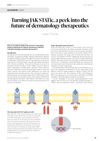 August 2024 in “New Zealand Medical Student Journal”
 JAK inhibitors show promise for treating skin diseases effectively and safely.
 July 2024 in “ADMET & DMPK”
 Surface-modified nanostructured lipid carriers can improve hair growth treatments.
 July 2024 in “Journal Of Stem Cell Research”
 Mesenchymal stem cells improve skin appearance and structure in dermatology and aesthetic medicine.
 May 2024 in “Brazilian Journal of Hair Health”
 Finasteride-loaded nanoparticles were successfully created for potential improved hair growth treatment.
 May 2024 in “bioRxiv (Cold Spring Harbor Laboratory)”
 KAP-depleted hair causes less immune response and is more biocompatible for implants.
 May 2024 in “International journal of nanomedicine”
 Plant-derived extracellular vesicles show promise for treating diseases like cancer and inflammation.
 April 2024 in “BMB Reports”
 Lack of Cisd2 disrupts calcium balance in cells, leading to poorly functioning neutrophils.
 March 2024 in “Advances in obstetrics and gynecology research”
 Combining hysteroscopy with Diane-35 improves outcomes and reduces recurrence of endometrial polyps.
 November 2023 in “Linköping University medical dissertations”
 Keratinocytes and adipose-derived stem cells can effectively heal difficult skin wounds.
 September 2023 in “bioRxiv (Cold Spring Harbor Laboratory)”
 Freezing gamma-irradiated amniotic fluid may help hair growth and speed up the growth phase.
 September 2023 in “Frontiers in bioengineering and biotechnology”
 JAGGED1 could help regenerate tissues for bone loss and heart damage if delivered correctly.