 1 citations
,
January 2014 in “The Journal of Dermatology”
1 citations
,
January 2014 in “The Journal of Dermatology” A patient with Ivemark syndrome developed mixed type vitiligo after a hepatitis C infection, showing different treatment responses and immune cell involvement in the skin.
June 2026 in “Immunity Inflammation and Disease” Dandruff involves inflammation and increased skin cell growth, not just flaking.
November 2024 in “Thrombosis Journal” Skin diseases like alopecia areata and psoriasis may be linked to blood clotting issues and heart problems.
55 citations
,
October 2015 in “Journal of Investigative Dermatology” Alopecia areata is linked to immune-related genes, suggesting JAK inhibitors as a potential treatment.
 4 citations
,
April 2010 in “Expert review of dermatology”
4 citations
,
April 2010 in “Expert review of dermatology” Restoring immune privilege in hair follicles could help treat certain types of hair loss.
 May 2026 in “Indian Dermatology Online Journal”
 Leflunomide can cause skin ulcers, and stopping it can lead to healing.
222 citations
,
August 2014 in “Cell Metabolism” Mitochondrial Complex I reduces inflammation and increases bone breakdown by affecting certain immune cells.
New treatments for alopecia areata, like JAK inhibitors and immunomodulators, are promising.
2 citations
,
January 2025 in “Allergy” Having asthma, atopic dermatitis, or Hashimoto's thyroiditis increases the risk of severe and long-lasting alopecia areata.
31 citations
,
July 2021 in “ImmunoTargets and therapy” Alopecia areata is an incurable autoimmune condition causing hair loss, with research aiming for better treatments.
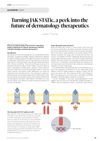 August 2024 in “New Zealand Medical Student Journal”
 JAK inhibitors show promise for treating skin diseases effectively and safely.
December 2017 in “Annales de dermatologie et de vénéréologie” In 2017, pediatric dermatology advanced with new treatments and insights into various skin conditions in children.
1 citations
,
February 2020 in “The Journal of clinical investigation/The journal of clinical investigation” Certain cancer drugs interact with skin bacteria to cause acne-like rashes.
April 2023 in “Zenodo (CERN European Organization for Nuclear Research)” High-dose vitamin D and an anti-inflammatory diet may help improve symptoms in autoimmune conditions like SLE and AA.
 October 2013 in “Journal of Investigative Dermatology”
 Collagen VII helps skin heal and stay strong, sirolimus may lower skin cancer risk in kidney transplant patients, high-molecular-mass hyaluronan helps naked mole rats resist cancer, dermal γδ T cells aid in hair growth in rodents, and overexpression of IL-33 in mouse skin causes itchiness, offering a model for studying allergic inflammation treatments.
 4 citations
,
January 2019 in “Einstein (São Paulo)”
4 citations
,
January 2019 in “Einstein (São Paulo)” Dupilumab improved severe atopic dermatitis in a patient who didn't respond to other treatments.
23 citations
,
October 1996 in “Dermatologic clinics” Genes affect cytokine production, which can influence chronic diseases, and certain interventions may help prevent related molecular damage.
September 2017 in “Griffith Research Online (Griffith University, Queensland, Australia)” Blocking IL-17 can reduce joint inflammation in Ross River Virus infections.
April 2017 in “The journal of investigative dermatology/Journal of investigative dermatology” Researchers found that certain miRNAs, which affect immune system regulation, are differently expressed in mice with a hair loss condition compared to healthy mice.
 12 citations
,
November 2022 in “Archives of Dermatological Research”
12 citations
,
November 2022 in “Archives of Dermatological Research” COVID-19 can directly trigger certain skin conditions like pustular dermatoses due to an inflammatory response.
26 citations
,
July 1992 in “International Journal of Dermatology” Oral cyclosporine A and prednisolone effectively improved alopecia universalis without side effects.
 February 2026 in “Frontiers in Immunology”
 Age-related immune changes worsen Parkinson's disease, suggesting new treatment strategies.
 18 citations
,
March 1990 in “Archives of Dermatology”
18 citations
,
March 1990 in “Archives of Dermatology” Cyclosporine cleared a woman's resistant skin condition quickly and kept it away for over a year.
290 citations
,
August 2021 in “Clinical Reviews in Allergy & Immunology” JAK inhibitors show promise for treating alopecia areata, but more research is needed.
14 citations
,
September 2021 in “Journal of Inflammation Research” Alopecia areata patients, especially women with nail issues or atopic diseases, are at higher risk for other autoimmune diseases.
 March 2006 in “Drug Discovery Today: Therapeutic Strategies”
 The 2006 editorial concluded that immunotherapy was advancing with new drugs, focusing on specific biological therapies and convenient oral treatments, and highlighted the importance of partnerships and new regulations in the field.
 March 2026 in “Frontiers in Medicine”
 Different types of alopecia cause hair loss due to immune system issues, with some allowing regrowth and others causing permanent loss.
 36 citations
,
January 2006 in “Veterinary Dermatology”
36 citations
,
January 2006 in “Veterinary Dermatology” Cyclosporin effectively and safely treated skin diseases in three pets with no side effects.
 2 citations
,
April 2024 in “Advanced Materials”
2 citations
,
April 2024 in “Advanced Materials” A microneedle patch can help regrow hair by restoring immune balance in hair follicles.
46 citations
,
November 2022 in “The Journal of Dermatology” Bullous pemphigoid is influenced by genetic factors, immune cell dysfunction, aging, and triggers, with treatment often improving symptoms.