50 citations
,
May 2021 in “Frontiers in immunology” Certain immune cells contribute to skin autoimmune diseases, and some treatments can reverse hair loss in these conditions.
10 citations
,
January 2023 in “SAGE Open Medical Case Reports” Upadacitinib may effectively treat both alopecia universalis and Crohn's disease.
October 2024 in “Benha Medical Journal” Patients with Alopecia Areata have higher levels of certain inflammatory markers.
4 citations
,
February 2024 in “Anais Brasileiros de Dermatologia” 25 citations
,
March 2021 in “Australasian Journal of Dermatology” Ustekinumab successfully treated a man's resistant skin condition when other treatments failed.
 101 citations
,
July 2020 in “Dermatologic therapy”
101 citations
,
July 2020 in “Dermatologic therapy” COVID-19 can cause skin issues like rashes and "COVID toes," and people with skin conditions should adjust their treatments if they get the virus.
 44 citations
,
September 2014 in “Cell Death & Differentiation”
44 citations
,
September 2014 in “Cell Death & Differentiation” Tumor suppressors help control inflammation in cancer and restoring their function could lead to new treatments.
150 citations
,
April 1997 in “Journal of Investigative Dermatology” 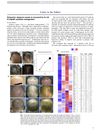 68 citations
,
November 2015 in “The Journal of Allergy and Clinical Immunology”
68 citations
,
November 2015 in “The Journal of Allergy and Clinical Immunology” Blocking IL-12/IL-23p40 helped reverse severe hair loss in patients.
 9 citations
,
April 2021 in “Frontiers in Immunology”
9 citations
,
April 2021 in “Frontiers in Immunology” Unconventional lymphocytes are important for quick immune responses and healing of skin and mucosal barriers.

Microneedling may help treat some autoimmune skin conditions, but more research is needed.
56 citations
,
January 2004 in “Journal of the American Academy of Dermatology” Cyclosporine can cause a unique skin condition called "cyclosporine-induced folliculodystrophy."
84 citations
,
October 2007 in “The Journal of Immunology” Myeloid-derived suppressor cells help control autoimmune cells and promote hair regrowth in alopecia areata.
 July 2003 in “Journal of Cutaneous Medicine and Surgery”
 The document concludes that various treatments for skin conditions are effective, but some require further research, and certain factors like gender and lifestyle can influence disease outcomes.
April 2023 in “Journal of Investigative Dermatology” Interface dermatitis is the most common skin change in drug-induced hypersensitivity syndrome.
 139 citations
,
February 2010 in “The journal of allergy and clinical immunology/Journal of allergy and clinical immunology/The journal of allergy and clinical immunology”
139 citations
,
February 2010 in “The journal of allergy and clinical immunology/Journal of allergy and clinical immunology/The journal of allergy and clinical immunology” Transplant success has improved with better immunosuppressive drugs and donor matching.
 16 citations
,
January 2021 in “Dermatology and therapy”
16 citations
,
January 2021 in “Dermatology and therapy” An imbalance in gut bacteria is linked to skin immune diseases and may affect their outcomes and related health issues.
143 citations
,
January 2004 in “Journal of Investigative Dermatology Symposium Proceedings” Alopecia areata is an autoimmune disease causing hair loss, treatable with immune-modulating drugs, and linked to genetics.
 2 citations
,
September 2010 in “Journal of the Dermatology Nurses’ Association”
2 citations
,
September 2010 in “Journal of the Dermatology Nurses’ Association” Transplant patients on immunosuppressive medications have a higher risk of skin cancer, and managing this involves balancing medication with cancer risk.
3 citations
,
April 2011 in “Klinische Pädiatrie” Immunosuppression therapy with methylprednisolone effectively treats childhood alopecia areata.
3 citations
,
May 2009 in “Journal of Pediatric Gastroenterology and Nutrition” Consider infectious diseases like visceral leishmaniasis before diagnosing autoimmune hepatitis.
33 citations
,
October 2006 in “European Journal of Immunology” The CD44-CD49d complex boosts T cell activation and survival in autoimmune disease.
1 citations
,
October 2025 in “Journal of the American Society of Nephrology” COVID-19 vaccination may cause kidney inflammation, treatable with steroids and Cellcept.
 36 citations
,
January 2006 in “Veterinary Dermatology”
36 citations
,
January 2006 in “Veterinary Dermatology” Cyclosporin effectively and safely treated skin diseases in three pets with no side effects.
 284 citations
,
November 1999 in “Neurology”
284 citations
,
November 1999 in “Neurology” The article suggests managing interferon beta therapy side effects in MS with dose adjustments, medications, and patient education.
Anifrolumab helped a woman with severe lupus achieve remission when other treatments failed.
12 citations
,
November 2024 in “Journal of Ovarian Research” Certain inflammatory factors may increase or decrease the risk of developing PCOS.
 84 citations
,
March 2004 in “Veterinary Dermatology”
84 citations
,
March 2004 in “Veterinary Dermatology” Cyclosporin is effective in treating dog skin diseases and has fewer side effects compared to other treatments.
 1 citations
,
January 2022 in “bioRxiv (Cold Spring Harbor Laboratory)”
1 citations
,
January 2022 in “bioRxiv (Cold Spring Harbor Laboratory)” Blocking IL-17 signaling can delay skin aging and improve skin and hair health.
July 2025 in “Journal of Investigative Dermatology” Enhancing Tregs can protect against alopecia areata.